

Understanding the Importance of STD Testing
In today’s world, sexual health is an essential component of overall well-being, yet it often remains a subject shrouded in silence and stigma. This can lead to people overlooking one of the most critical aspects of their health: sexually transmitted disease (STD) testing. Ignoring std testing not only poses a risk to individual health but also to broader public health dynamics. Understanding the importance of regular screening is a first step towards taking control of your sexual health.
STDs can affect anyone, regardless of age, gender, or sexual orientation. Often, these infections might not present immediate symptoms, which makes them deceptively silent health threats. For instance, chlamydia and gonorrhea are commonly asymptomatic but can lead to severe health complications if left untreated. These may include infertility and chronic pain, underscoring the importance of routine std testing.
Healthcare professionals emphasize that testing is a proactive measure. It empowers individuals to make informed decisions about their health and the health of their partners. According to the Centers for Disease Control and Prevention (CDC), timely detection through std testing can significantly reduce transmission rates and offer better management options for those affected. Regular testing is especially crucial for sexually active individuals, as it can prevent the spread of infections and promote healthier communities. You can read more about these recommendations on the CDC’s website.
Moreover, the stigma associated with std testing often prevents individuals from seeking necessary tests. Overcoming this stigma is important, as it encourages open discussions about sexual health with partners and healthcare providers. Many clinics offer confidential std testing options, making the process less intimidating and more accessible, even for those who may feel apprehensive.
For those concerned about cost, many health clinics and community organizations provide low-cost or free std testing. Insurance plans often cover these services, illustrating a widespread recognition of their importance. Utilizing these resources can lead to early detection, improved health outcomes, and a reduction in healthcare costs associated with untreated STDs.
Taking an informed and active role in your sexual health is empowering. By understanding and utilizing std testing effectively, individuals not only protect themselves but also contribute to the health and safety of their entire community. So, book your test today, and take a definitive step toward securing both your health and peace of mind.
Understanding STD Testing: What, Why, and How?
The decision to undergo STD testing can be pivotal for maintaining your overall health. Many individuals are often unaware of the specific tests they require, which can lead to apprehensions about the process. As part of routine health care, understanding what specific tests are available and how they work is crucial. STD testing typically screens for common infections such as chlamydia, gonorrhea, syphilis, herpes, and HIV. Depending on a person’s sexual health history, additional tests may be recommended.
STD tests vary in methodology. Some infections can be detected through a simple blood test, while others require a urine sample or a swab from the affected area. The good news is that these procedures are usually quick and painless, providing accurate results that can help guide further treatment if necessary.
The Importance of Early Detection
According to the Centers for Disease Control and Prevention (CDC), early detection through routine STD testing is vital in managing health outcomes. Testing not only helps in confirming the presence of an STD but also plays a significant role in preventing severe health complications. For instance, untreated gonorrhea and chlamydia can lead to pelvic inflammatory disease (PID) in women, potentially causing infertility. Similarly, engaging in timely HIV testing can result in early intervention, allowing individuals to benefit from antiretroviral therapy promptly. This insight emphasizes that STD testing is not merely a diagnostic tool but a proactive measure for long-term health benefits.
Statistics and Community Health Impact
Reliable data reveals that populations engaged in regular STD testing experience lower rates of infection spread within their communities. A study by the National Institute for Health found that areas with comprehensive testing programs and public awareness campaigns observed a significant reduction in new infections. These programs encourage individuals to get tested regularly, reducing stigma and fostering a communal approach toward health care and prevention.
| Condition | Primary Testing Method | Average Detection Time | Potential Complications |
|---|---|---|---|
| Chlamydia | Urine test or swab | 1-2 weeks | Infertility, PID |
| Gonorrhea | Urine test or swab | 1-2 weeks | Infertility, PID |
| HIV | Blood test | 2-4 weeks | Immune system damage |
| Syphilis | Blood test | 1-2 weeks | Organ damage |
Empowered with knowledge, individuals can more effectively navigate their options and take control over their sexual health. As a community, embracing the practice of routine STD testing can foster an environment of collective wellness. By moving forward with confidence and understanding, you prioritize not only your health but the health of those around you as well. Book a reputable screening service today to stay informed and proactive in your health journey.
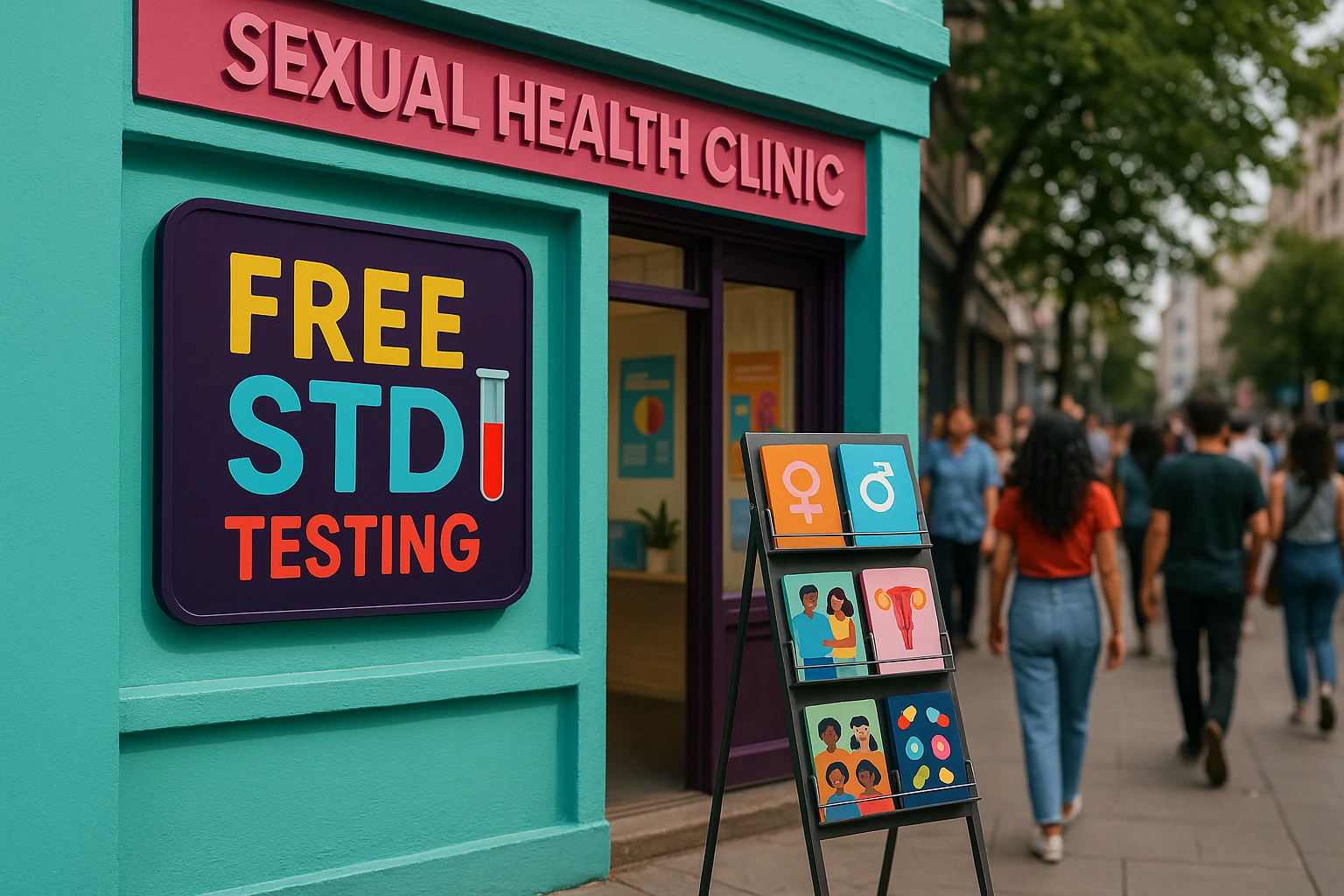
Ensuring Effective, Compassionate Care Through a Patient-Centered Testing Experience
Moving toward a more holistic and empowering approach, a patient-centered framework transforms std testing from a clinical requirement into a supportive, respectful experience. Clinicians trained in trauma-informed and culturally sensitive communication—inviting patients to share using inclusive, nonjudgmental language—build trust and encourage honest dialogue. The Centers for Disease Control and Prevention (CDC) endorses the “Five P’s” model—Partners, Practices, Protection, Past history of STIs, and Pregnancy intention—as a clear, structured method to guide these conversations and ensure patients feel heard and informed CDC clinical risk assessment guidelines.
Creating an environment that prioritizes patient comfort and clarity helps reduce stigma and empowers individuals to participate actively in their health. For example, MedHaven makes this approach seamless by offering supportive intake checklists and digital communication tools that normalize sexual health discussions and ensure individualized risk assessment, while maintaining confidentiality. By integrating patient preferences and ensuring transparent explanations—such as what tests are being performed and why—providers can significantly improve testing uptake and follow-through.
Operational innovations further enhance care effectiveness. Same-day testing and on-site treatment not only reduce logistical barriers—but also curb disease transmission by minimizing delays in receiving care. The CDC notes that offering medications directly at the point of care reduces the risk of patients falling through the cracks between diagnosis and treatment CDC MMWR report.
Recent surveillance confirms that while overall reported cases of chlamydia, gonorrhea, and syphilis declined by about 9% from 2023 to 2024—totaling over 2.2 million cases—congenital syphilis continues to rise, spiking nearly 700% in recent years CDC 2024 STI Surveillance (Provisional). These trends underscore how critical timely, compassionate care is—not only to curb transmission but also to protect vulnerable populations like expectant mothers and newborns.
Bridging the gap between medical knowledge and patient experience, a patient-centered std testing journey does more than detect infections—it fosters well-being, trust, and collaboration. Providers who integrate clear communication, immediate treatment options, and empathetic care—supported by user-friendly tools from MedHaven—create an empowering health experience. Encouraging patients to “Book today” for a conversation that respects their identity and choices can have lasting positive effects on their sexual health.
STD Testing: A Critical Component of Sexual Health
Regular STD testing plays a vital role in maintaining sexual health. Whether for routine health maintenance or addressing specific concerns, testing allows individuals to take charge of their well-being. This proactive approach is key to early detection and treatment, helping to minimize potential complications and prevent transmission to partners. Moreover, it fosters open communication about sexual health, enhancing trust and safety in relationships. Understanding the importance of STD testing is crucial for making informed decisions about one’s health.
Who Should Be Tested and When?
The Centers for Disease Control and Prevention (CDC) recommends regular testing for sexually active individuals, particularly those with multiple partners or those who engage in unprotected sex. Specific guidelines suggest that individuals under 25, especially women, should be tested annually for chlamydia and gonorrhea. Additionally, all sexually active individuals should discuss their particular risks and testing frequency with their healthcare provider. Regular testing not only reassures individuals but also contributes to overall public health efforts by reducing the spread of infections.
Available Testing Options and Accessibility
Today’s healthcare landscape offers a variety of testing options that cater to different needs and preferences. From confidential clinics to at-home test kits, individuals have the flexibility to choose the most convenient method. Advances in medical technology have also made testing more accurate and less invasive. For instance, home testing kits offer privacy and ease of use, allowing individuals to collect samples and receive results without leaving the comfort of their home. This accessibility is crucial in ensuring that testing is not a barrier but a bridge to better health.
At MedHaven, we empower individuals by providing compassionate care and accessible STD testing options. Our patient-centered approach ensures that everyone receives the necessary resources and support for their unique health journey. Encouraging people to “Book today” enhances their access to timely medical advice and counseling, creating a healthier future for our communities.
Demystifying Common Misconceptions
Stigma and misinformation about STD testing can unfortunately discourage individuals from seeking necessary care. It’s essential to address these misconceptions and provide accurate information. STD testing does not mean there is an existing issue; rather, it’s a routine health practice akin to regular dental check-ups. Educating communities about the non-invasive nature of most tests and the importance of regular screenings can demystify the process and encourage proactive health management. According to the CDC, early detection through testing can significantly reduce the impact of STDs on individual and public health source.

Conclusion: Empowering Your Health Journey
As we conclude our exploration of STD testing, it’s crucial to recognize how taking control of your sexual health can significantly influence your overall well-being. By opting for routine screenings, you not only safeguard your health but also contribute to a healthier community. Understanding the importance of regular STD testing is the first step in overcoming the stigma associated with these essential check-ups. Engaging in open conversations with healthcare professionals plays a vital role in demystifying the process, making it feel more routine and less daunting.
One key takeaway is the importance of choosing a trusted healthcare provider that aligns with your values and needs. MedHaven, available here, offers a compassionate, patient-centered approach, ensuring confidentiality and a supportive environment. Their modern and inclusive care model makes it easier for individuals from all walks of life to access the necessary resources for maintaining sexual health.
Furthermore, incorporating regular STD testing into your healthcare routine can prevent long-term health complications. According to the Centers for Disease Control and Prevention, many STDs can be asymptomatic yet still cause significant health issues if untreated. Regular testing empowers you to take proactive steps in managing your health and preventing the spread of infections. For more in-depth reading, you can view the CDC’s insights on STDs here.
Creating awareness and understanding around the topic is essential, and sharing your experience could encourage others to do the same. Start discussions with friends or partners to promote an open dialogue about sexual health. Remember that reintegration of STD testing into normal healthcare routines can serve to eliminate stigma and transform it into an act of self-care and responsibility.
We encourage you to take action now. Scheduling an appointment for STD testing can be a straightforward process and an empowering step towards taking charge of your health. MedHaven provides the necessary services to first-time testers as well as those looking for ongoing support. Embrace this vital health care tool, and consider making regular testing a part of your annual health checklist. Together, with informed and responsible self-care practices, we can cultivate a healthier future for ourselves and our communities.


