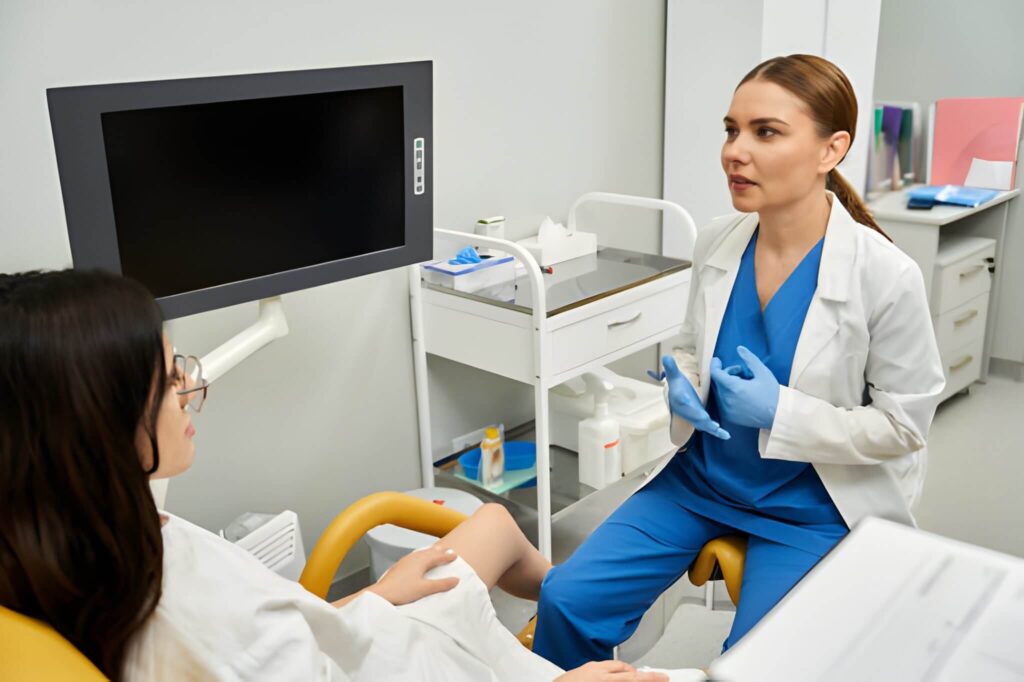
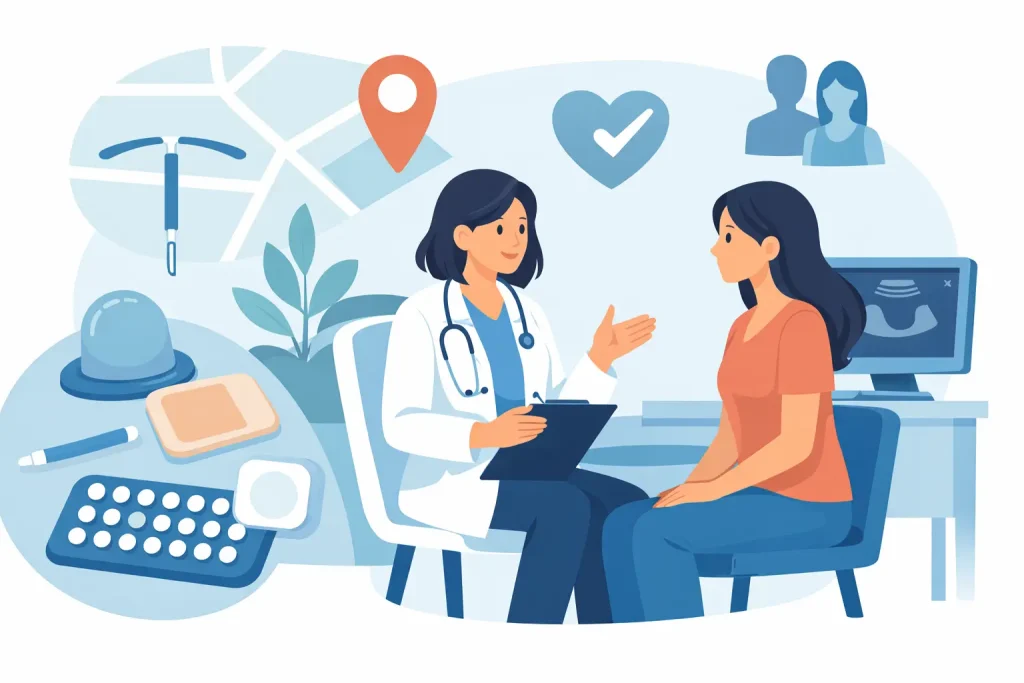
When your child wakes up with a fever, your blood pressure medication needs a refill, or you have been putting off an annual physical for months, the value of having one trusted medical home becomes very clear. A family doctor Pasadena MD residents rely on can make everyday healthcare feel less scattered, less stressful, and far more personal.
For many families, the challenge is not deciding whether primary care matters. It is finding a provider who is easy to reach, takes time to listen, and can care for different needs over time. That relationship matters because good family medicine is not only about treating illness when it appears. It is also about preventing problems, tracking changes in your health, and helping you make confident decisions year after year.
Why a family doctor in Pasadena MD matters
A family doctor often becomes the first call for many of life’s routine and unexpected health concerns. That includes annual checkups, school and sports physicals, preventive screenings, cold and flu visits, management of high blood pressure or diabetes, and questions that may not seem urgent but still deserve medical attention.
There is also a practical benefit to seeing one provider or one care team consistently. Over time, they learn your history, medications, risk factors, and patterns. That context helps them notice changes faster and recommend care that fits your life, not just your chart. If you are caring for children, older parents, or your own chronic condition, continuity can save time and reduce confusion.
Many people have experienced fragmented care – urgent care for one issue, a separate office for preventive visits, another provider for follow-up, and inconsistent records between them. Sometimes that setup is unavoidable. But if you can work with a trusted family physician, healthcare often becomes simpler and more connected.
What to look for in a family doctor Pasadena MD patients can trust
Not every primary care office feels the same, even if the services look similar on paper. The right fit depends on your household, your schedule, and your health needs.
Start with accessibility. If it takes weeks to get a routine appointment or you cannot reach the office when you need guidance, frustration builds quickly. A family practice should make scheduling straightforward and offer a realistic path to both preventive and same-day care. For busy parents and working adults, convenience is not a luxury. It is part of whether care actually happens.
Communication is just as important. A good family doctor listens carefully, explains clearly, and does not rush you through every concern. Some patients want detailed information about lab work and treatment options. Others want plain answers and next steps. A dependable provider adjusts to that and makes space for questions.
You should also look at scope of care. A strong family practice can support patients across life stages, from younger adults who need routine wellness visits to older patients managing multiple conditions. If your provider can handle preventive care, chronic disease management, vaccinations, women’s health services, and minor urgent needs in one setting, that is a meaningful advantage.
Affordability matters too. For insured patients, that may mean checking accepted plans and expected copays. For self-pay patients, it means asking whether pricing is transparent and reasonable. Cost concerns often cause people to delay care, and delays can turn manageable issues into bigger ones.
The real value of continuity in family medicine
There is a difference between being treated and being known. When you see the same primary care team consistently, they begin to recognize your normal baseline. That can make a real difference with blood pressure trends, weight changes, recurring infections, medication tolerance, and preventive screening follow-through.
Continuity also helps with decision-making. If you develop a new symptom, your doctor is not starting from zero. They may already know your family history, past test results, or how you responded to treatment before. That familiarity can lead to faster, more personalized care.
This is especially useful for chronic condition management. Diabetes, high cholesterol, hypertension, and similar concerns rarely improve through one appointment alone. They require follow-up, encouragement, adjustments, and a provider who can help you stay consistent without making the process feel overwhelming.
For families, continuity creates comfort. Children are often less anxious when they recognize the office and provider. Adults are more likely to bring up concerns early when they trust they will be heard. That trust is one of the quiet strengths of relationship-based medicine.
Services that make family care more practical
A family doctor should do more than diagnose common illnesses. The best practices make healthcare easier to manage by offering a broad range of routine services in one place.
Preventive care is the foundation. Annual exams, age-appropriate screenings, blood pressure checks, cholesterol monitoring, and vaccinations all help catch issues early and support long-term wellness. These visits are easy to postpone when life gets busy, but they often prevent more serious problems later.
Same-day care also matters. Minor illnesses and non-emergency concerns do not always wait for a convenient time. If your primary care office can help with common acute needs, it reduces the need to bounce between clinics and repeat your history at every visit.
Women’s health services can also make a difference for patients who prefer a more connected care experience. Having access to routine preventive support in the same setting as broader primary care can simplify follow-up and improve comfort.
A practical office also helps with care coordination. If you need lab work, referrals, follow-up visits, or medication management, those next steps should feel organized rather than confusing. That support may sound basic, but it is often what patients remember most.
When urgent care alone is not enough
Urgent care has a role. It can be useful for unexpected problems that need prompt attention. But it is not designed to replace an ongoing healthcare relationship.
If you rely only on walk-in visits, you may get quick treatment without a bigger picture. One visit may address a cough, another handles a rash, and another renews a medication, but nobody is consistently tracking your overall health. Preventive screenings may be missed. Medication changes may not be monitored closely. Patterns that deserve attention can be harder to spot.
That does not mean urgent access is unhelpful. In fact, many patients benefit most from a practice that combines primary care with convenient same-day availability. It gives you both continuity and flexibility, which is often the best balance for real life.
How to know you found the right fit
You do not need a perfect office. You need a provider and care team that are dependable, responsive, and invested in your health.
A good sign is whether you leave visits feeling informed instead of rushed. Another is whether the office follows through, whether that means returning calls, helping with prescriptions, or making preventive care feel manageable. Trust builds in these small moments.
It also helps to notice how a practice treats different kinds of patients. Families with children, older adults, busy professionals, and self-pay patients all have different concerns. A community-centered clinic understands that healthcare should feel accessible, not complicated or impersonal.
For patients in and around Pasadena, that often means looking for a practice that offers both breadth and consistency. One local option, MedHaven Health, reflects that model by providing family-focused care with an emphasis on convenience, preventive services, and ongoing support for everyday health needs.
Choosing care that supports your life
Finding the right family doctor is not only a medical decision. It is a practical one. You are choosing who you will call when symptoms start, when forms need to be completed, when medications need to be reviewed, and when you want honest guidance about staying healthy.
The best choice is usually not the office with the longest service list or the flashiest marketing. It is the one that makes you feel comfortable asking questions, helps you stay on top of routine care, and gives you a clear place to turn when health concerns come up.
If you have been delaying the search for a family doctor in Pasadena MD, this is a good time to change that. A trusted primary care relationship can make healthcare feel more steady, more personal, and much easier to manage for every member of your household. That kind of support is worth choosing before you need it most.