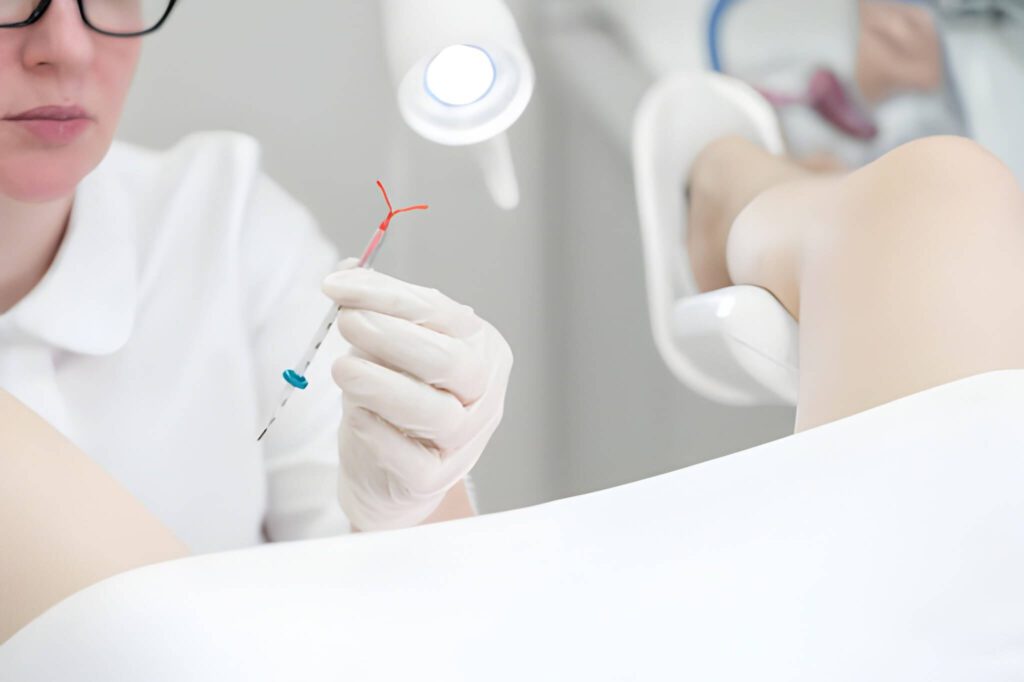
A Pap smear is a short preventive screening that can help find changes in cervical cells before they become a more serious problem. If you are wondering how to get a Pap smear, the first step is usually simpler than expected: schedule a preventive women’s health or primary care visit and let the office know you are due for cervical cancer screening.
Many people put off this appointment because they are unsure what will happen, feel embarrassed, or have had an uncomfortable exam in the past. Those concerns are valid. A good care team should explain each step, protect your privacy, and give you time to ask questions or pause if you need to.
When should you get a Pap smear?
A Pap smear, also called a Pap test, screens for abnormal cells on the cervix. The cervix is the opening between the vagina and uterus. These cell changes are often linked to certain types of human papillomavirus, or HPV.
For many people, cervical cancer screening begins at age 21. How often you need testing depends on your age, prior results, overall health, and the type of screening your clinician recommends. In general, people ages 21 to 29 may have a Pap test every three years. From ages 30 to 65, screening may involve a Pap test, an HPV test, or both at different intervals.
Those general timelines do not apply to everyone. You may need screening more often if you have had abnormal results, certain immune system conditions, or previous treatment for cervical cell changes. On the other hand, some people who have had a total hysterectomy or are older than 65 may no longer need routine screening. Your clinician can help determine what is right for you based on your health history.
A Pap smear is a screening test, not a test for every gynecologic concern. If you have unusual bleeding, bleeding after sex, pelvic pain, new discharge, or other symptoms, make an appointment even if you are not due for routine screening.
How to get a Pap smear appointment
You can request a Pap smear through a primary care clinic, a women’s health provider, or an OB-GYN. When booking, say that you would like a preventive visit and ask whether cervical cancer screening can be completed at that appointment. If you are seeing a new provider, mention any prior abnormal Pap or HPV results so the team can request records or discuss your history.
Before your visit, gather helpful details such as the date of your last Pap test, past results if you know them, current medications, and any changes in your menstrual cycle or sexual health. You do not need to have every answer. Being honest about what you remember gives your clinician a useful starting point.
If cost is a concern, ask about insurance coverage, self-pay pricing, and whether the lab portion of testing is billed separately. Preventive screening is commonly covered by insurance plans, but coverage can vary based on your plan and the reason for the visit. Getting clarity ahead of time can prevent surprises.
For patients in Glen Burnie and nearby communities, MedHaven Health can help make preventive care feel more manageable by discussing screening needs as part of an ongoing primary care relationship.
How to prepare for your Pap smear
You usually do not need extensive preparation. Still, a few small steps can help produce the clearest possible sample and make the visit more comfortable.
If possible, avoid vaginal intercourse, douching, and vaginal creams, lubricants, or medicines for 24 to 48 hours before the test unless your clinician has instructed you to use a prescribed medication. These products can sometimes affect the sample. Do not douche at any time as part of routine hygiene. The vagina cleans itself, and douching can cause irritation.
Try to schedule the test when you are not having a heavy period. Light spotting may not prevent testing, but heavy menstrual flow can make it harder to collect an adequate sample. If your period starts unexpectedly, call the office rather than automatically canceling. The team can tell you whether you should still come in.
On the day of the appointment, wear clothing that is easy to change out of and use the restroom beforehand if that helps you relax. You do not need to shave, wax, or do anything special for the exam. Your clinician is focused on your health, not your appearance.
If pelvic exams have been painful, stressful, or difficult for you before, say so when you schedule and again at the visit. You can ask for a smaller speculum, more time, an explanation before each step, or a support person in the room when permitted. You are allowed to ask questions and consent to each part of the exam.
What happens during a Pap smear?
The actual Pap test usually takes only a few minutes. After changing into a gown or drape, you will lie on an exam table and place your feet in supports. Your clinician will gently insert a lubricated instrument called a speculum into the vagina. This allows them to see the cervix.
You may feel pressure as the speculum is inserted and opened. It should not feel sharply painful. Slow breathing and relaxing your pelvic muscles can help, but do not try to push through significant pain. Tell your clinician right away so they can adjust the position, use a different size speculum, or stop the exam.
Once the cervix is visible, the clinician uses a small soft brush or spatula to collect cells from its surface. This part is brief and may feel like a light scrape or cramp. The sample is placed in a container and sent to a laboratory for review. The speculum is then removed.
Depending on your age and screening plan, the clinician may collect a sample for HPV testing at the same time. They may also offer testing for sexually transmitted infections if that is appropriate for your needs, but those tests are separate from a Pap smear.
Afterward, most people can return to normal activities immediately. Mild spotting can happen, especially if the cervix is sensitive, but it typically resolves quickly. Contact your care team if you have heavy bleeding, severe pain, fever, or symptoms that concern you.
Understanding your results
Results may take several days to a couple of weeks, depending on the laboratory and office process. Your clinic should tell you how you will receive them and what follow-up is needed.
A normal result means no concerning cell changes were found. It does not mean you will never need another Pap smear. Continue screening on the schedule your clinician recommends.
An abnormal result does not mean you have cervical cancer. It may reflect minor cell changes, HPV-related changes, inflammation, or a sample that did not contain enough cells to evaluate. In many cases, the next step is simply repeating testing after a certain period. Some results call for additional evaluation, such as a colonoscopy, which lets a specialist look more closely at the cervix.
Waiting for follow-up can feel unsettling. Ask your clinician what your result means, how urgent it is, and what happens next. Clear information is part of good preventive care.
Do not let discomfort delay preventive care
It is understandable to feel nervous about a Pap smear, particularly if it has been years since your last one. But this screening is brief, private, and designed to identify changes early, when they are often easier to monitor or treat. You deserve care that is respectful, clear, and tailored to your needs.
If you are due for screening or are unsure about your history, scheduling a visit is a practical place to start. A conversation with a trusted clinician can turn an overdue task into one more meaningful step toward protecting your health.