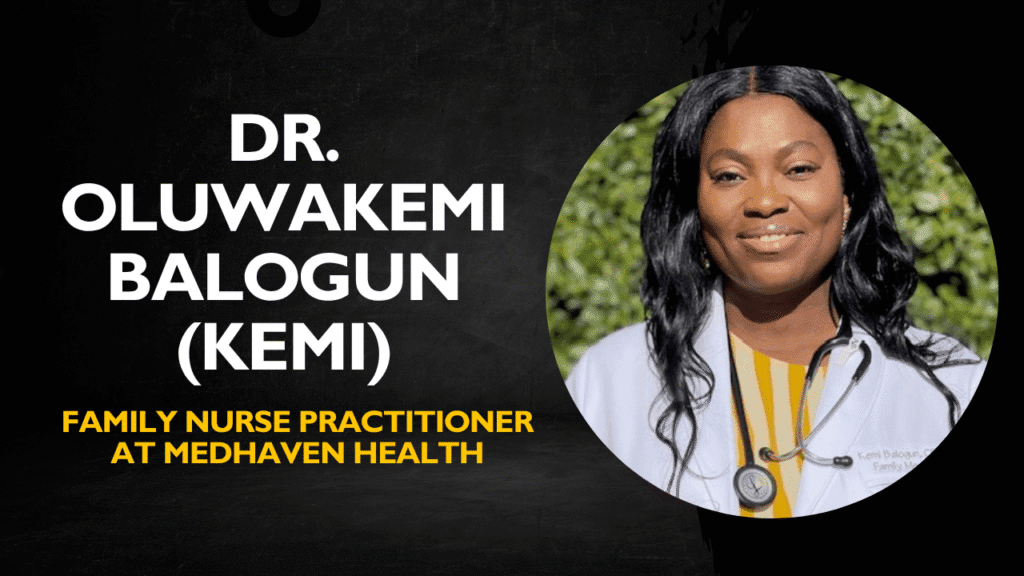
A lot of women put off preventive visits for the same reason – life is busy, appointments feel inconvenient, and it can be hard to know where to go for care that feels both professional and personal. If you are looking for pap smear and birth control counseling in Glen Burnie MD, it helps to have one place where you can ask questions openly, stay current on screenings, and make decisions that fit your health. Additionally, you want to make choices that fit your schedule and plans for the future.
For many patients, these visits are not just about a test or a prescription. They are about having a provider who listens, explains your options clearly, and helps you feel comfortable with your care. That matters whether you are scheduling your first pap smear, changing birth control after side effects, returning to routine care after a gap, or simply wanting more confidence about what is right for your body.
What to expect from pap smear and birth control counseling in Glen Burnie MD
When these services are offered together, the experience is often more useful and more convenient. A pap smear focuses on screening for cervical changes that may need follow-up. Birth control counseling helps you choose a method based on your medical history, lifestyle, preferences, and goals. They are different parts of care. However, they often belong in the same conversation.
A good visit usually starts with listening. Your provider may ask about your menstrual cycle, current medications, sexual health, past pregnancies, symptoms, and family history. If you are discussing birth control, you may also talk about whether you want short-term protection or long-term pregnancy prevention. You may discuss lighter periods, help with cramps, or a method that is easy to manage with a busy schedule.
If a pap smear is due, your provider should explain why it is recommended, what the exam involves, and what happens after the sample is collected. If you are nervous, that should be part of the conversation too. Preventive care works better when patients feel informed instead of rushed.
Why regular pap smears matter
Pap smears are a preventive screening tool used to detect abnormal cervical cells before they become more serious. That is the key value. Many cervical changes do not cause obvious symptoms early on. Because of this, waiting until something feels wrong is not the best strategy.
How often you need a pap smear depends on your age, your prior results, and whether HPV testing is part of your screening plan. This is one of those areas where it depends. Some women need screening at longer intervals, while others may need closer follow-up because of a previous abnormal result. In some cases, other risk factors could change your schedule.
That is why personalized care matters. A provider should not treat every patient the same way. Your screening schedule should reflect your history, not a one-size-fits-all checklist.
It also helps to know what a pap smear does not do. It is not a full test for every gynecologic concern, and it does not replace speaking up about symptoms such as unusual bleeding, pelvic pain, new discharge, or pain during intercourse. If something feels off, bring it up. Even if your screening is current, you should mention it.
If you feel anxious about the exam
That anxiety is common, and many women are relieved to hear that. Some worry about discomfort. Others worry about modesty, past negative experiences, or simply not knowing what to expect.
A respectful provider can make a big difference by explaining each step, moving at a comfortable pace, and answering questions before the exam begins. You can also say if you are feeling tense or apprehensive. That is useful information, not an inconvenience.
Birth control counseling should be personal, not rushed
Birth control is not just about preventing pregnancy. It can also affect bleeding patterns, cramping, acne, convenience, mood, and day-to-day peace of mind. Because of that, counseling should be more than naming a few options and asking which one you want.
The right choice depends on several factors. Your age, blood pressure, smoking status, migraine history, plans for pregnancy, tolerance for hormones, and ability to remember a daily pill can all shape the conversation. What works well for one person may be a poor fit for someone else.
Some patients want a method they can start and stop easily. Others prefer a long-acting option they do not have to think about often. Some want to avoid estrogen. Others are looking for cycle control as much as pregnancy prevention. There is no single best method – only the best match for your needs right now.
Questions worth asking during birth control counseling
A strong counseling visit gives you space to ask practical questions, not just medical ones. You might want to know how effective a method is with typical use, whether it may affect your period, how quickly fertility returns after stopping it, and what side effects are common in the first few months.
You can also ask what to do if you miss a pill, when to use backup protection, or how certain medications may interact with your method. These details matter because real life is not always predictable. The more realistic the conversation, the more likely you are to choose something you can use consistently.
When it makes sense to combine both services
Many women benefit from addressing preventive screening and contraception during the same appointment. It saves time and reduces the need for separate visits. Additionally, it gives your provider a fuller picture of your health. If you are already coming in to discuss your periods, sexual health, or routine wellness needs, it often makes sense to review whether a pap smear is due. Also, you can check whether your current birth control is still working well for you.
This is especially helpful if your needs have changed. Maybe you recently had a baby, developed side effects, started a new medication, or realized your current method no longer fits your routine. Maybe you have gone a few years without preventive care. In that case, you may want to get back on track. Combining services can make that process feel more manageable.
Choosing a clinic for women’s preventive care
When looking for pap smear and birth control counseling in Glen Burnie MD, convenience matters, but comfort and continuity matter too. You want a clinic where questions are welcome and explanations are clear. Furthermore, follow-up should not feel confusing.
For many patients, one of the biggest frustrations in healthcare is fragmentation. You go one place for urgent concerns, another for preventive screenings, and somewhere else for ongoing primary care. That can make it harder to keep track of records, recommendations, and next steps. A community-based medical practice that offers broad outpatient care can make routine women’s health services feel much easier to stay on top of.
This is where a relationship-centered approach helps. When your provider knows your history and sees you as a whole person, counseling becomes more thoughtful. That may mean recognizing when a side effect is worth waiting out. On the other hand, it may mean realizing when it is a sign to switch methods. It may mean noticing patterns in your health over time, not just reacting to a single visit.
Preparing for your appointment
A little preparation can make the visit smoother. If you can, bring a list of current medications, note the first day of your last menstrual period, and think about any questions you want answered. If you have had trouble with a birth control method before, be ready to describe what happened. Specific details help your provider guide you better.
If you are coming for a pap smear, ask ahead if there is any timing guidance related to your period. In general, it is also helpful to mention any symptoms you are having, even if they seem minor. A visit like this is a good time to raise concerns you may have been putting off.
At MedHaven Health, patients looking for women’s preventive care often want exactly that kind of practical, respectful experience – care that feels accessible, personalized, and grounded in an ongoing relationship rather than a quick transaction.
A better visit starts with honest conversation
The most helpful women’s health appointments are usually the ones where patients feel comfortable being direct. If you are worried about discomfort, say so. If cost is part of the decision, bring it up. If you want reliable pregnancy prevention but are concerned about hormones, that matters. If you are overdue for screening because life got hectic, you are not alone.
Good care is not about judgment. It is about meeting you where you are, explaining your options, and helping you make informed choices with confidence. Whether you need routine screening, guidance on starting or changing birth control, or both, the right support can make preventive care feel less stressful. It can also make it much easier to keep up with.
Taking care of your health should fit into real life, not compete with it, and one thoughtful appointment can be the step that gets you back on track.