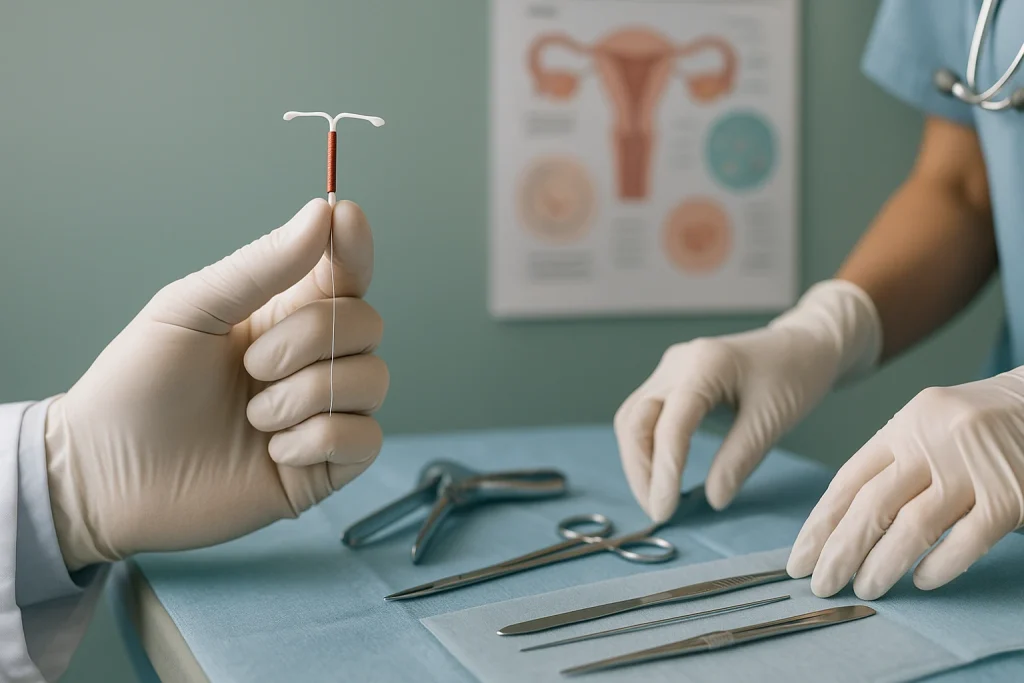
If you are searching for pap smear Medicaid Priority Partners Glen Burnie options, you are probably not looking for a long explanation of insurance jargon. You want to know whether your visit may be covered, where to start, and what the appointment will actually feel like. That is a reasonable place to begin, especially when preventive care tends to get pushed aside until life finally slows down.
A Pap smear is one of those screenings that can feel easy to postpone, even though it plays a meaningful role in protecting your long-term health. For many women, the real barrier is not the test itself. It is the mix of uncertainty around Medicaid coverage, scheduling, childcare, work hours, and not knowing whether a local clinic can handle both routine care and follow-up if something needs attention.
Pap smear Medicaid Priority Partners Glen Burnie – what patients usually need to know
In simple terms, a Pap smear checks for cell changes on the cervix that could become serious if left untreated. It is a preventive screening, which means the goal is to catch concerns early, often before symptoms appear. That matters because cervical changes do not always cause pain or obvious warning signs.
If you have Medicaid through Priority Partners, coverage for preventive women’s health services may be available, but the details can depend on your specific plan, your age, your medical history, and whether the visit is coded as preventive or diagnostic. That distinction matters more than most patients realize. A routine screening visit is different from an appointment scheduled because of symptoms like unusual bleeding, pelvic pain, or an abnormal prior result.
This is where a local primary care or women’s health clinic can make things easier. Instead of sending you from one office to another, the right practice can help you understand whether you are due for screening, verify practical details before the visit, and talk through any symptoms that may change the type of appointment you need.
When a Pap smear is recommended
Pap smear timing is not the same for every patient. Your age, prior screening history, and any history of abnormal results all play a part. Some women need routine screening every few years, while others may need closer follow-up. If HPV testing is included, the timeline may also differ.
That is why it helps to avoid guessing based on something you read years ago or advice that applied to a friend. Preventive care works best when it is personalized. A quick conversation with a medical provider can often clear up whether you are due now, whether you can wait, or whether another test should be done at the same visit.
For patients with busy schedules, that kind of clarity matters. It can be frustrating to carve out time for an appointment only to learn it was not the right visit type or that another follow-up was needed separately.
What happens during the appointment
One reason some patients delay a Pap smear is anxiety about discomfort or embarrassment. Those feelings are common, and a good clinical team should treat them with respect, not rush past them.
The visit usually starts with a brief conversation about your health history, menstrual cycle, medications, symptoms, and past screening results. If you are having concerns like pelvic pain, unusual discharge, bleeding between periods, or discomfort during sex, say so early in the appointment. That information helps your provider understand whether this is a standard screening visit or whether a more diagnostic evaluation is needed.
During the exam, you will lie back on the exam table while a provider uses a speculum to gently view the cervix and collect a small sample of cells. The process is usually brief. Some women feel pressure, but it should not be prolonged. If you are nervous, have had a painful exam before, or simply want the provider to go slowly, it is appropriate to say that. Patient comfort is not an extra. It is part of good care.
After the test, your provider will explain when results should come back and what happens next. Most results are routine, but if something abnormal appears, that does not automatically mean cancer. Often it means you need repeat testing, HPV testing, or another follow-up procedure.
Coverage questions with Medicaid Priority Partners
Insurance questions are often where preventive care gets stuck. Patients hear that a Pap smear is covered, then worry about whether the office accepts their plan, whether the exam is included, or whether additional testing might lead to extra costs.
With Medicaid Priority Partners, the smart approach is to confirm a few things before your visit. First, ask whether the clinic accepts your specific plan. Second, ask whether the appointment is being scheduled as routine preventive care or because of a symptom or prior abnormal result. Third, ask whether your provider may recommend related services during the same visit, such as an annual wellness exam, STI testing, or HPV testing.
This is not about expecting a problem. It is about avoiding surprises. Coverage often depends on the reason for the visit and the services actually performed. A reassuring office staff should be willing to help you understand those practical details before you arrive.
Why local access in Glen Burnie makes a difference
For many patients, healthcare delays are not about motivation. They are about logistics. If you work full time, care for family members, depend on public transportation, or just do not want to drive across multiple towns for routine screening, convenience becomes part of healthcare quality.
That is why local access matters when looking for a Pap smear in Glen Burnie. An established clinic that offers primary care and women’s health support in one setting can save time now and stress later. If your screening is normal, you know where to return for future preventive care. If follow-up is needed, you are not starting over with a new office that does not know your history.
That continuity can be especially helpful for women managing more than one health need at once. A visit for preventive screening may also be a good time to talk about blood pressure, birth control questions, menopause concerns, vaccinations, or other routine health issues. Keeping those conversations under one roof often makes care feel more manageable.
Choosing the right clinic for a Pap smear
Not every office experience feels the same, and that matters with intimate preventive care. Some patients want the first available appointment. Others care more about being seen in a setting where they do not feel rushed, judged, or brushed off.
A good fit usually comes down to a few practical qualities. The clinic should explain things clearly, make scheduling straightforward, and create room for questions. It should also be comfortable handling both routine screenings and next steps if the results are not normal.
If you have not had a Pap smear in years, you should not feel embarrassed coming back in. If this is your first one, the staff should explain what to expect in plain language. If you have Medicaid Priority Partners and want help understanding how your visit may be billed, the front desk should treat that as a normal question, not an inconvenience.
That patient-first approach is part of what makes community-based care valuable. At MedHaven Health, the goal is not just to complete a screening. It is to help patients feel informed, respected, and comfortable returning for ongoing care.
Questions to ask before you book
Before scheduling, it helps to ask a few direct questions. Does the office accept Medicaid Priority Partners? Is the visit a routine Pap smear or a problem-focused women’s health appointment? Should you avoid scheduling during your period? How and when will results be shared?
These questions are simple, but they can make the appointment smoother. They also give you a feel for how the office communicates. If the staff is clear and helpful on the phone, that is often a good sign for the visit itself.
You may also want to mention if you have special concerns, such as a history of abnormal Pap results, pregnancy, pain with exams, or a long gap since your last screening. Those details help the team prepare and guide you toward the right kind of appointment.
Putting off preventive care is easy when life is busy, but peace of mind usually starts with one scheduled visit. If a Pap smear is on your list, choosing a clinic in Glen Burnie that respects your time, explains your coverage questions, and makes you feel at ease can turn an overdue task into one more way you take care of yourself.