

How Primary Care Supports Addiction Treatment and Recovery
In the journey to overcoming addiction, primary care clinics play a pivotal role that is often underestimated. These clinics not only provide medical care but also offer a robust support system essential for recovery. With addiction rates rising globally, understanding how primary care clinics help patients recover from addiction becomes increasingly important.
Primary care clinics serve as a gateway for individuals seeking treatment for addiction, providing a comprehensive approach that extends beyond the treatment of symptoms. One of the key elements is their ability to offer a combination of medical and psychological support. For instance, patients struggling with opioid addiction can access medication-assisted treatments such as methadone or buprenorphine, which help alleviate withdrawal symptoms and reduce cravings. According to a study published by the National Institute on Drug Abuse, these medications significantly improve treatment outcomes [source].
Equally important is the role of primary care providers in offering continuous monitoring and adjustments to treatment plans. This personalized care is critical, as addiction recovery is a dynamic process that requires adjusting treatments as individuals progress through different stages of recovery. Primary care clinics can also facilitate referrals to specialized services like therapy sessions, for example, Therapy Glen Burnie, ensuring patients receive holistic care that addresses both mental and physical health needs.
The accessibility of primary care clinics further enhances their role in addiction recovery. Unlike specialized addiction treatment centers that may have long waiting lists or high costs, primary care clinics provide an affordable and immediate point of contact for patients in need. This accessibility allows for early intervention, which is crucial in preventing the escalation of substance use. Studies show that early intervention can significantly reduce the chance of relapse and improve overall recovery success rates [source].
By integrating addiction treatment into general healthcare, primary care clinics de-stigmatize the process, encouraging more individuals to seek help. Through a multi-faceted approach that includes medication, ongoing support, and comprehensive care coordination, these clinics are vital in the fight against addiction, making them a bedrock for community health and individual healing. As we continue to explore the avenues through which primary care clinics aid in addiction recovery, it is evident that their role is indispensable in navigating the complexities of addiction treatment and recovery.
Comprehensive Care and Support Systems
Primary care clinics play a pivotal role in providing comprehensive care for patients recovering from addiction. By integrating various healthcare services, these clinics offer a seamless and coordinated recovery process. For example, clinics often employ a range of professionals, including physicians, mental health specialists, and social workers, who collaborate to create personalized recovery plans. This multidisciplinary approach ensures that all aspects of a patient’s health are addressed, significantly enhancing their recovery prospects.
A key component of this comprehensive care is the development of strong support systems. Primary care clinics frequently facilitate support groups, where patients can connect with others who are navigating similar challenges. These groups provide a safe and supportive environment, allowing individuals to share their experiences and build resilience. Additionally, many clinics partner with community organizations to offer resources such as housing assistance and employment counseling, further bolstering a patient’s recovery journey.
Personalized Treatment Plans
Clinics emphasize the creation of individualized treatment plans that cater specifically to the unique needs of each patient. For instance, a patient struggling with opioid addiction might receive a different combination of therapies compared to someone with alcohol dependency. Primary care providers assess the individual’s medical history, mental health status, and personal circumstances to ensure that the treatment is both effective and sustainable.
Such personalized approaches are backed by research, which shows tailored treatments result in higher recovery rates. According to a study by the National Institutes of Health, personalized care strategies have been shown to significantly improve treatment adherence and outcomes for those recovering from addiction.
Monitoring and Adjustment
In addition to designing personalized treatment plans, primary care clinics provide ongoing monitoring and adjustment of therapies. Regular check-ups and assessments ensure that any changes in a patient’s condition are promptly addressed. This adaptive strategy allows healthcare professionals to modify treatment plans as necessary, ensuring they remain aligned with the patient’s recovery goals and overall health needs.
For patients seeking regular updates on their health without the need for inpatient care, clinics offer routine physical exams. These visits provide essential opportunities for healthcare providers to track progress and make necessary adjustments. In Glen Burnie, for instance, patients can explore options such as the Choose Primary Care Doctor service, which emphasizes continuity of care during recovery.
| Aspect | Standard Care | Primary Care Clinics |
|---|---|---|
| Support Systems | Minimal or None | Integrated Support Groups |
| Treatment Plans | Generalized | Personalized |
| Monitoring | Irregular | Continuous Adjustments |
This holistic approach not only aids in physical and psychological healing but also helps in reinforcing the patient’s determination to stay on the path to recovery. As the understanding of how primary care clinics help patients recover from addiction deepens, the integration of these practices continues to be crucial for long-term success.
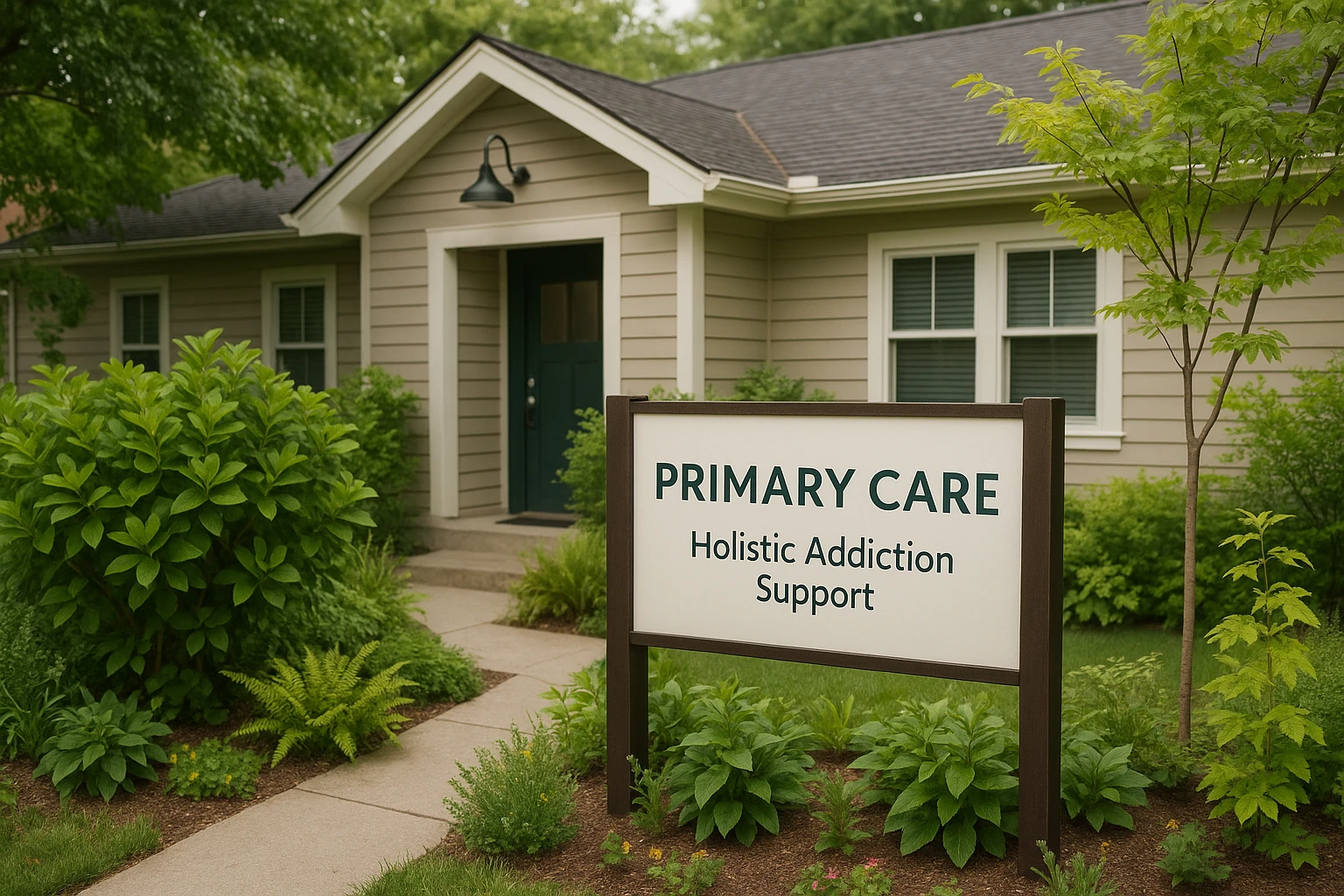
Integrated Care Approach
Primary care clinics are pivotal in providing an integrated care approach for patients recovering from addiction. This methodology combines medical treatment, behavioral health therapies, and community support, ensuring that patients receive comprehensive care. By offering a holistic service, these clinics address not only the physical aspects of addiction but also the psychological and social factors that contribute to substance abuse.
One way primary care clinics facilitate recovery is through the coordination of various health services. This includes collaboration with mental health professionals to provide personalized therapy sessions. Regular counseling and therapy help patients develop coping strategies, build resilience, and reduce the risk of relapse. For instance, cognitive-behavioral therapy (CBT) is commonly used to alter negative thought patterns associated with addiction, allowing patients to gain better control over their impulses.
Medication-Assisted Treatment (MAT)
Medication-Assisted Treatment (MAT) is another critical component of addiction recovery offered by primary care clinics. MAT involves the use of medications like methadone, buprenorphine, or naltrexone, alongside behavioral therapies, to manage withdrawal symptoms and cravings. This combination is highly effective for treating opioid addictions and improving patient outcomes. According to the Substance Abuse and Mental Health Services Administration (SAMHSA), MAT has been shown to reduce the risk of overdose and increase the likelihood of sustained recovery.
Clinics such as MedHaven provide tailored Medication-Assisted Treatment programs, adapting the approach to meet individual patient needs. This personalized care ensures that each patient receives the most effective treatment, enhancing their chances of long-term recovery.
Community Support and Follow-up Care
Beyond direct medical interventions, primary care clinics emphasize the importance of community support in the recovery journey. These clinics frequently collaborate with local support groups and recovery communities to create a network of encouragement and accountability for patients. Such networks are invaluable for providing ongoing support and reducing the feeling of isolation, which is a common risk factor for relapse.
Additionally, follow-up care is a crucial element of the recovery process. Primary care clinics often implement regular check-ups and monitoring to track progress and adjust treatment plans as necessary. For those interested in a detailed approach, exploring resources like Preventive Care Glen Burnie can provide further insights into how preventive measures and continuous care are implemented to support recovery.
Improving Addiction Recovery Through Integrated Primary Care Support.
Building naturally on the established framework of check-ins and preventive care, primary care clinics solidify recovery by ensuring consistent connection with both medical and behavioral health services. For example, randomized controlled trials combining screening, brief intervention, and referral to treatment (SBIRT) with regular recovery management checkups in primary care settings significantly increased the likelihood of patients entering addiction treatment—nearly quadrupling treatment initiation over 12 months—while also reducing days of alcohol and cannabis use and increasing abstinence days. NIAAA-supported research shows how structured follow-ups enhance sustained recovery.
Likewise, over a five-year follow-up period, individuals in integrated care models combining substance abuse treatment with primary care utilization achieved higher remission rates compared to those with limited primary care engagement. This long-term benefit highlights the value of managing addiction as a chronic condition through ongoing primary care involvement. Boston University’s extended follow-up analysis underscores this outcome.
Beyond face-to-face visits, integrated primary care models demonstrate additional gains in healthcare utilization and cost savings. A Kaiser Permanente–based intervention that activated patients to engage with their primary care practitioner reported increased substance use–related communication, higher primary care utilization, and fewer preventable emergency department visits over a five-year span. This underscores how long-term engagement in primary care smooths the transition from acute treatment to recovery-focused health partnerships. Linkage intervention outcomes highlight these sustained benefits.
Moreover, microsimulation models suggest that providing onsite addiction care—such as buprenorphine prescribing and harm reduction tools—within primary care can substantially improve life expectancy and cost-effectiveness. Integrating these services not only enhances clinical outcomes but can shift usage from emergency and inpatient settings to outpatient care, conserving resources while supporting recovery. JAMA Network Open modeling studies reinforce this pragmatic advantage.
- Regular recovery checkups help detect relapse early and reinforce treatment adherence.
- Long-term primary care involvement supports chronic disease-style management of addiction.
- Activation interventions improve communication and lower emergency visits.
- Onsite addiction treatment with medications and harm reduction improves outcomes and reduces costs.
In sum, when exploring how primary care clinics help patients recover from addiction, it becomes clear that their role extends far beyond isolated treatment episodes—cultivating steady engagement, supporting relapse prevention, and optimizing resource use through integrated, patient-centered care models.
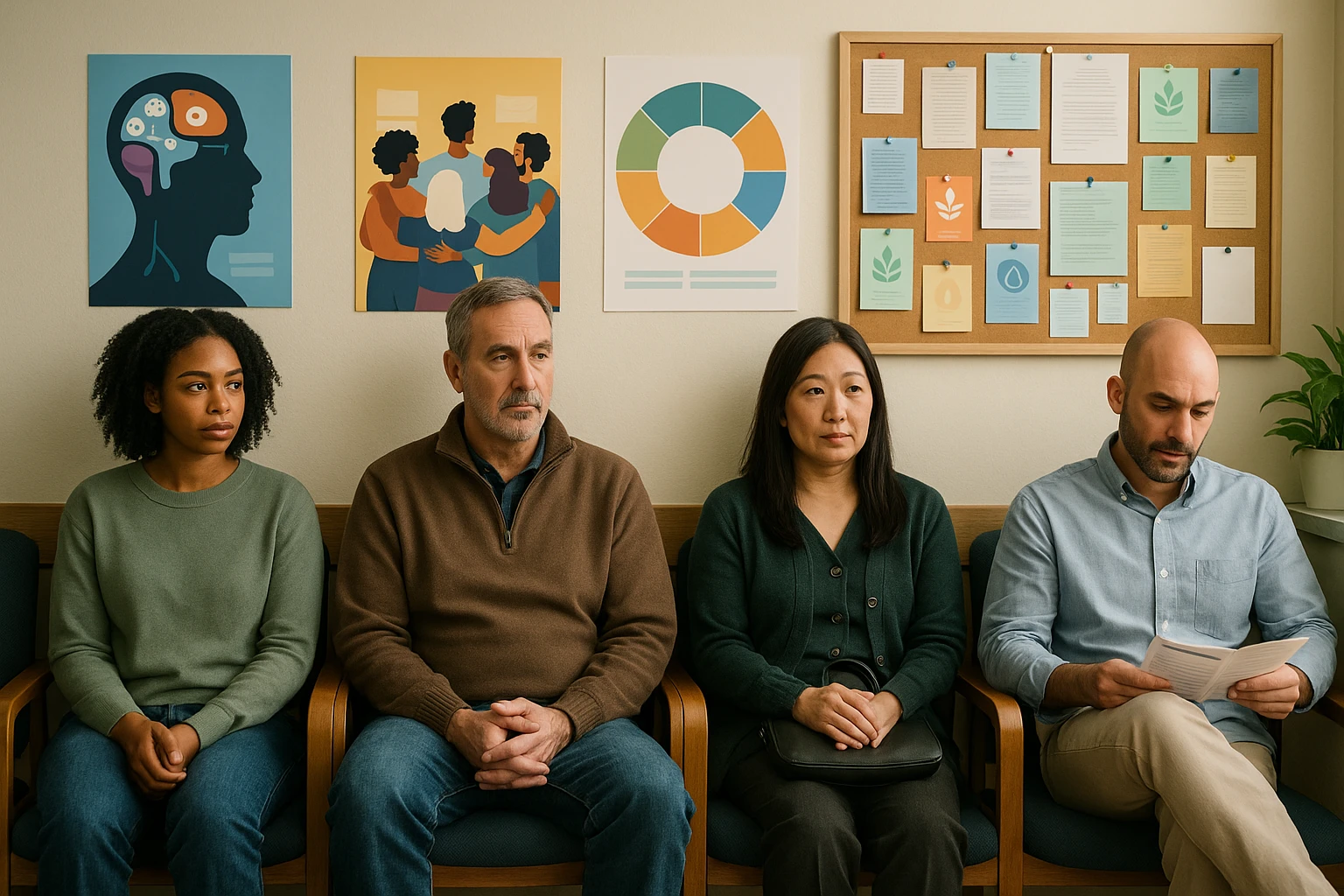
Conclusion
In exploring the comprehensive role that primary care clinics play in addiction recovery, it’s clear that these facilities are pivotal in providing accessible, integrated care for patients seeking to overcome substance use disorders. Their holistic approach, which combines medical treatment, mental health support, and community resources, offers patients a tailored path to recovery. A significant takeaway is the importance of having a structured support system that meets patients where they are.
Actionable Insights
Patients and their families should leverage the multifaceted resources offered by primary care clinics. This may involve regularly scheduled check-ins with healthcare providers, attending support group sessions, and participating in wellness programs that promote overall health. By actively engaging with these services, patients can build a resilient recovery strategy. Clinics can also benefit from continually updating staff training to address emerging trends in addiction treatment, ensuring they provide the most effective care possible.
Strong Call to Action
For those starting their recovery journey, partnering with a primary care clinic can be an empowering first step. To get the most out of these offerings, consider exploring the comprehensive services available at clinics like MedHaven. They provide an integrated approach that encompasses medical and therapeutic interventions, aimed at facilitating long-term recovery and well-being.
Ultimately, understanding how primary care clinics help patients recover from addiction encourages a proactive approach to health care. By embracing the full spectrum of support available, patients position themselves for a healthier, substance-free future. As research continues to inform better practices, the role of primary care clinics in addiction recovery will likely become even more integral, making them a valuable resource in overcoming addiction challenges.


