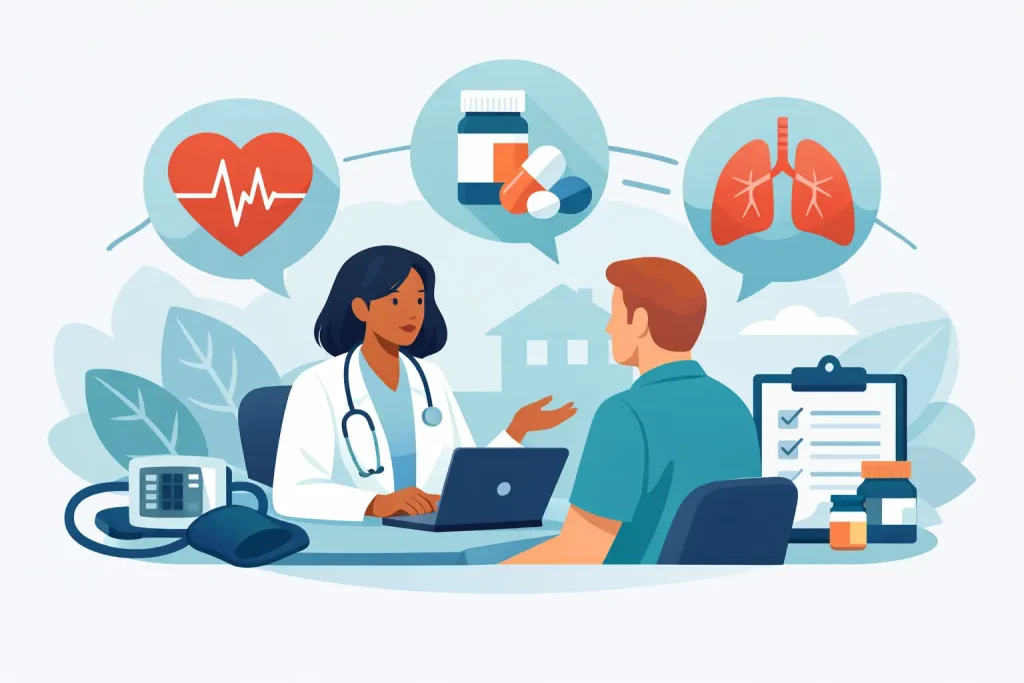
A sore throat at breakfast. A child sent home from school before lunch. A blood pressure reading that suddenly looks too high. Most people do not need an emergency room for moments like these, but they do need care quickly. That is why same-day primary care appointments in Glen Burnie matter. They give patients a practical way to get medical attention without waiting days or bouncing between different providers.
For families and working adults, speed is only part of the story. The better question is what kind of care you are getting when you are seen quickly. Same-day access works best when it is connected to primary care, because the visit does not have to end with a one-time fix. It can lead to follow-up, preventive care, medication review, and a clearer plan for what comes next.
Why same-day primary care matters
When patients cannot get in quickly, they often delay care longer than they should. A lingering cough becomes a worsening infection. A medication side effect turns into a missed week of treatment. A minor urinary symptom grows more painful and disruptive. Fast access can prevent small issues from becoming larger ones.
There is also a comfort factor that people do not talk about enough. When you can be seen by a clinic that offers ongoing care, you are not starting from zero each time something comes up. Your history, medications, chronic conditions, and past concerns are more likely to be part of the conversation. That helps care feel more personal and often more efficient.
This is especially valuable for adults managing diabetes, high blood pressure, asthma, or other chronic conditions. A same-day visit might be prompted by a new symptom, but it can also reveal that an existing care plan needs to be adjusted. That kind of continuity is hard to get when every urgent problem sends you somewhere new.
What same-day primary care appointments in Glen Burnie can help with
A same-day primary care appointment is often a good fit for illnesses and symptoms that need prompt attention but are not life-threatening. That can include cold and flu symptoms, sore throat, fever, ear pain, sinus pressure, mild breathing concerns, rashes, urinary symptoms, stomach upset, minor infections, headaches, and fatigue that feels out of the ordinary.
These visits can also help with practical needs that affect daily life. If you need a medication refill review, help with side effects, follow-up after a recent illness, blood pressure evaluation, or guidance on whether your symptoms can be treated in the office, same-day access can save time and stress.
It depends on the situation, of course. Chest pain, severe trouble breathing, signs of stroke, major injuries, or heavy bleeding require emergency care. Same-day primary care is not a replacement for the ER when symptoms are severe. What it does offer is a reliable middle ground for many common health issues that should not wait but also do not require a hospital.
The difference between urgent care and same-day primary care
People often use these terms interchangeably, but they are not exactly the same. Urgent care is built for convenience and speed. Primary care is built for relationships, prevention, and long-term health. Same-day primary care combines some of the convenience patients want with the continuity they often miss.
That difference matters more than it may seem. If you are seen for a sinus infection, for example, the visit is not just about prescribing treatment. A primary care team may also notice that you are overdue for preventive screening, ask whether allergies are driving repeat infections, or identify patterns that suggest a broader issue. The visit stays focused on your immediate concern, but it does not ignore the bigger picture.
For parents, this can be especially helpful. Instead of using one clinic for a sick visit, another for annual exams, and a third for preventive services, a same-day primary care setting can reduce fragmentation. The result is less repetition, fewer gaps, and more confidence that someone is paying attention to the whole family over time.
What to expect when you book a same-day visit
The process should feel straightforward. In many cases, patients can request care online or call for availability that day. Once scheduled, the visit usually begins with a review of symptoms, medical history, medications, and vital signs. From there, the provider evaluates the problem, recommends treatment, and explains whether follow-up is needed.
What patients often appreciate most is clear communication. If a symptom can be managed at home after the visit, that should be explained plainly. If testing, referrals, or close monitoring are needed, patients should know why. Fast care should never feel rushed.
There can be some trade-offs. Same-day availability may not always line up with a preferred time slot, and the most in-demand days can fill quickly, especially during cold and flu season. Even so, a clinic that reserves room for urgent primary care needs can make a real difference for patients trying to avoid delays.
When same-day access is most valuable
Same-day visits are useful year-round, but certain situations make them especially important. School-aged children tend to bring home sudden illnesses with no warning. Working adults may ignore symptoms until they interfere with the job, sleep, or caregiving responsibilities. Older adults may need quicker evaluation when a new symptom appears on top of an existing health condition.
There is also the issue of timing. A health concern that starts on a Monday can feel very different by Wednesday if you still cannot get an appointment. Quick access helps patients act when symptoms first appear, which can shorten recovery time and reduce uncertainty.
In a community setting, this kind of availability supports more than convenience. It helps people stay engaged with routine care because the clinic becomes a place they can rely on for both planned visits and unexpected needs. That trust is hard to build when access is inconsistent.
Choosing a clinic for same-day primary care in Glen Burnie
Not every clinic offers the same experience. If same-day access matters to you, look beyond whether a slot is available. Consider whether the practice also provides ongoing family medicine, preventive care, chronic disease management, women’s health support, screenings, and follow-up when needed. The more connected the services are, the easier it is to keep your care organized.
It also helps to ask practical questions. Can you schedule online? Are self-pay options available? Are hours realistic for people who work during the day? Is the clinic set up to care for adults and families over time, not just during one urgent visit? These details affect whether care feels accessible in real life, not just on paper.
A community-focused practice like MedHaven Health can be a strong fit for patients who want prompt attention without giving up the benefits of a long-term healthcare relationship. For many people, that balance is what turns a stressful day into a manageable one.
How same-day care supports long-term health
The best same-day visit does more than solve the problem in front of you. It creates a bridge to better follow-through. A patient who comes in for dizziness may leave not only with answers about the immediate issue, but also with a plan for blood pressure monitoring. Someone treated for recurring stomach symptoms may learn that a broader evaluation is worth scheduling.
This is one of the biggest advantages of same-day primary care. It makes healthcare more responsive without making it more fragmented. Patients can get help quickly while staying connected to a provider who understands their broader health history and goals.
For families in and around Glen Burnie, that combination can remove some of the most common barriers to care. You do not have to choose between speed and consistency when a clinic is designed to offer both. And when care feels easier to access, people are more likely to use it early, ask questions, and stay on track with the care they need.
A same-day appointment may start as a response to a sudden symptom, but it often becomes something more useful – reassurance, a treatment plan, and a trusted place to return when the next health question comes up.