

Introduction
Imagine confronting a force so powerful it can reshape the brain in ways that make choice seem impossible. This is the reality for countless individuals grappling with addiction. Far from being a simple matter of willpower or morality, addiction is a complex brain disorder—one that science increasingly recognizes as a medical condition rather than a moral failure.
For those unfamiliar with the intricate workings of the human brain, addiction might seem straightforward: just stop using the substance that’s causing harm. However, emerging research reveals that addiction fundamentally alters brain chemistry, making abstinence incredibly challenging. The reward circuitry—areas in the brain responsible for feeling pleasure—is hijacked, creating a compulsion that overrides self-control. The Science Behind Addiction: Why It’s a Medical Condition, Not a Moral Failure sheds light on how these neurological changes occur and why they are not simply failures of character.
According to the studies from the National Institute on Drug Abuse, addiction alters brain areas critical to judgment, decision-making, learning, and behavior control (NIDA). When individuals seek substances not out of pleasure but to prevent unbearable feelings of withdrawal, it becomes evident that addiction is far from a voluntary pursuit of pleasure. This shift in understanding reframes how society should respond to addiction—emphasizing medical intervention and compassionate support rather than judgment.
For those affected, treatment options such as therapy and medical care can facilitate recovery by addressing the deep-seated changes in the brain. These treatments often involve a combination of medication and behavioral therapy, encouraging the rewiring of neural pathways essential for recovery. Services such as those offered through Therapy Glen Burnie emphasize a comprehensive approach to treating addiction, focusing on medical and psychological facets to foster lasting change.
Recognizing addiction as a medical condition rather than a moral failing also transforms public policy, influencing healthcare practices and funding for treatment programs. By advocating for a science-based understanding of addiction, we can move toward solutions that are not only more effective but also humane. Through compassion, education, and robust support systems, society can better help individuals overcome addiction and lead healthier lives.
Understanding Addiction as a Medical Condition
Recognizing addiction as a medical condition rather than a moral failure is crucial in transforming how society approaches treatment and support for affected individuals. The science behind addiction provides clear evidence that complex neurobiological processes are at play. These involve brain changes that affect behavior, decision-making, and emotional regulation, making it challenging for individuals to abstain without appropriate intervention.
Neurobiological Factors
Current research highlights specific brain circuits affected by addiction. Studies indicate that substances like opioids, alcohol, and nicotine can alter the brain’s reward system by triggering the release of dopamine. This neurotransmitter is associated with pleasure and reward, reinforcing the behavior of substance use. According to NIDA, these changes can create a cycle of craving and compulsive use, characteristic of addiction, which is difficult to break.
Genetic and Environmental Influences
Genetic predisposition plays a significant role in addiction risk, with studies suggesting that 40% to 60% of susceptibility to addiction is attributable to genetics. Environmental factors, such as exposure to substance use in the family or peer group, also significantly impact addiction development. These influences underscore the importance of considering both inherited and situational factors when addressing addiction, underscoring that it is not a simple matter of willpower.
Medical Interventions and Support Systems
Treatment strategies should reflect the understanding of addiction as a medical condition. Implementing programs that integrate medical interventions, such as medication-assisted treatment (MAT), alongside behavioral therapies, can improve outcomes. For more personalized assistance, consider exploring coaching services designed to provide tailored support in conjunction with medical advice.
| Aspect | Moral Perspective | Medical Perspective |
|---|---|---|
| Cause | Lack of willpower | Genetic and neurobiological factors |
| Approach | Discipline-based | Treatment-focused |
| Goal | Self-control | Recovery and support |
Recognizing the science behind addiction as a complex interplay of neurobiological, genetic, and environmental factors is essential. Transitioning to this understanding encourages the development of comprehensive, science-based treatment approaches that emphasize recovery over punishment. Society’s shift towards treating addiction as a medical condition fosters not only more effective interventions but also a more compassionate support system for those struggling with addiction.
Understanding the Biological Mechanisms That Drive Addiction
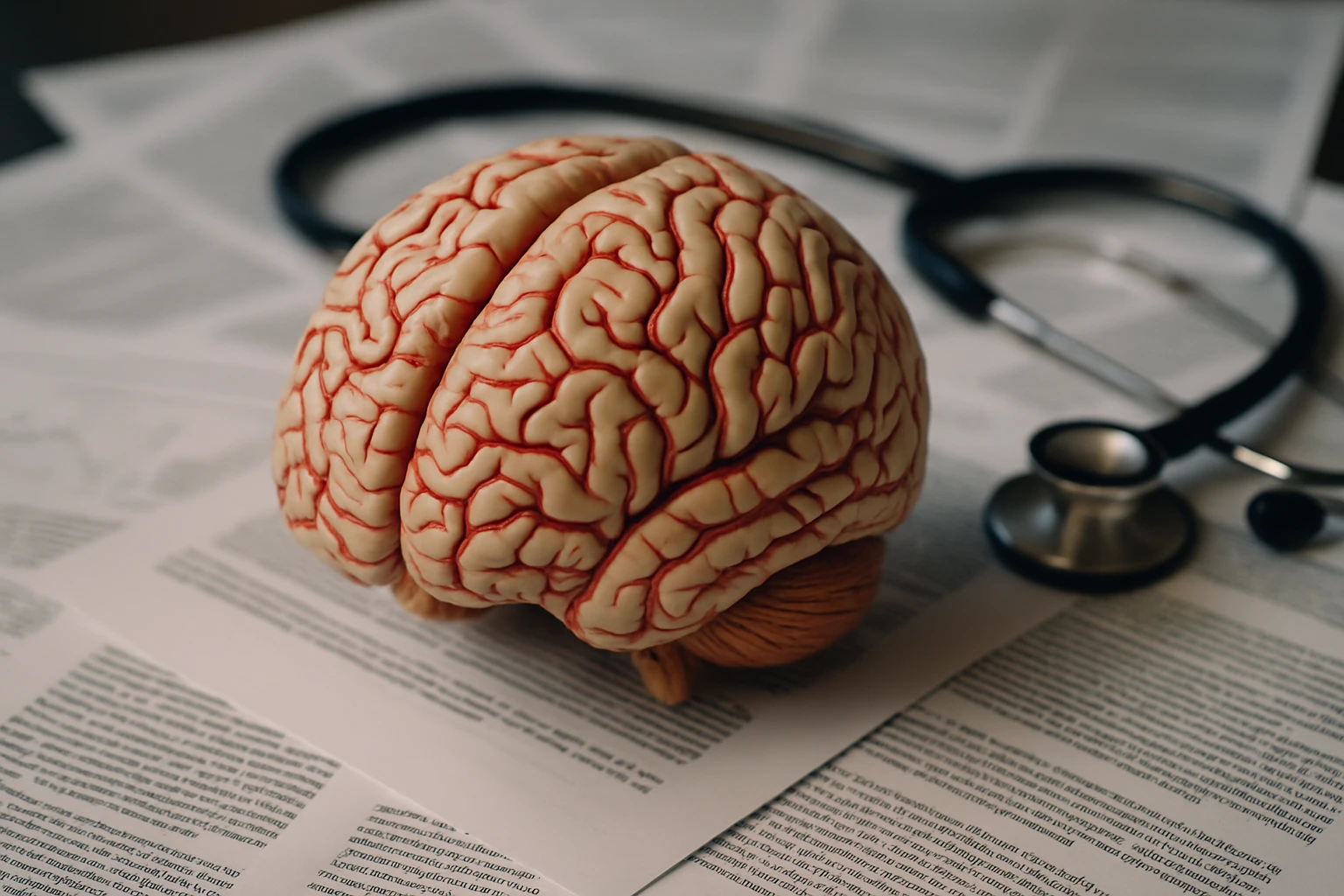
Delving deeper into how addiction operates, it becomes clear that the brain undergoes profound, measurable changes—not because of moral weakness, but due to physiological alterations that merit medical attention.
Neurobiological Changes and Brain Circuitry
The brain’s reward system, particularly pathways rich in dopamine, is hijacked during prolonged substance use. This disrupts normal pleasure responses and reinforces compulsive behavior even when individuals are cognizant of the consequences https://www.michiganmedicine.org/brain-health/science-says-addiction-a-chronic-disease-not-a-moral-failing.
Recent large-scale meta-analyses also uncovered a consistent brain network affected across diverse substance disorders. By synthesizing data from over 144 studies and more than 9,000 participants, researchers identified a common neural circuit implicated in addiction—highlighting that this is a systemic brain condition rather than a collection of isolated cases https://neurosciencenews.com/addiction-brain-network-23971/.
Genetics, Environment, and Relapse Risk
Genetic predispositions also play a critical part. A genome-wide association study examining over a million participants revealed 19 genetic variants linked to a general risk for addiction, and 47 variants specific to certain substances. These patterns were additionally associated with higher risk of mental and physical health issues, further reinforcing addiction’s biological basis https://nida.nih.gov/news-events/news-releases/2023/03/new-nih-study-reveals-shared-genetic-markers-underlying-substance-use-disorders.
Even after sobriety, individuals remain vulnerable—relapse rates exceed 60% within a year, underscoring how powerful environmental triggers (like stress or familiar cues) can reignite addictive behaviors. Mathematical models suggest that steady, gentle sources of satisfaction can mitigate relapse risk far better than sporadic highs https://arxiv.org/abs/2404.04755.
Bridging Science and Practical Support
Understanding these biological mechanisms powers more compassionate, effective responses. Tools like neurostimulation therapies, informed by identified brain circuits, hold promise for advancing treatment. Meanwhile, platforms like MedHaven offer meaningful ways for healthcare providers to connect emerging research with patient care in a streamlined, professional setting.
This approach not only affirms that addiction is a medical condition—not a moral failing—but also paves the way to more tailored interventions grounded in both neuroscience and compassionate care. The science underlining “The Science Behind Addiction: Why It’s a Medical Condition, Not a Moral Failure” affirms how understanding these mechanisms is essential to shifting perceptions and improving outcomes.
Neurological Pathways and Their Role in Addiction
Addiction represents a complex interaction between biological, environmental, and psychological factors. Central to understanding these complexities is the role of the brain’s reward system, primarily the neurotransmitter dopamine. When a person engages in activities such as eating or socializing, dopamine is released, providing a pleasurable sensation. This natural mechanism is sometimes hijacked by substances, leading to an artificial spike in dopamine levels. According to Nature Neuroscience, this can result in the reinforcement of substance use behaviors, driving compulsive actions often seen in addiction.
Genetic Predisposition: The Inherited Risk
Research underscores the genetic components of addiction, revealing that genetic factors can account for about 40-60% of the vulnerability to addiction according to the National Institute on Alcohol Abuse and Alcoholism. Studies have identified specific genes that influence the development of addiction, affecting how substances interact with the brain and body. This genetic predisposition implies that addiction is not solely a result of poor choices or lack of willpower but a condition influenced significantly by biological inheritance.
Environmental Influences: Context and Causes
While genetics play a significant role, environmental factors are equally crucial in the development of addiction. Stressful life circumstances, exposure to substance use at an early age, and societal pressures can all contribute to the onset of addiction. Environments saturated with substance availability also increase the risk, reinforcing the idea that addiction is not purely a personal failing but a societal challenge. Initiating preventive measures through community programs and policies can mitigate these environmental triggers, creating healthier surroundings for those at risk.
Personalized Medicine: A Path to Effective Treatment
The emerging field of personalized medicine offers promising avenues for tailoring addiction treatment to individual needs. By analyzing genetic markers and neurological profiles, healthcare providers can design precise intervention strategies that address the unique challenges faced by each person struggling with addiction. For detailed insight into preventive healthcare strategies, visiting Preventive Care Glen Burnie offers valuable information on implementing these personalized approaches effectively.
Understanding The Science Behind Addiction: Why It’s a Medical Condition, Not a Moral Failure, lies at the heart of developing compassionate and effective treatment models. By considering genetic, neurological, and environmental factors, healthcare systems can offer more targeted and humane solutions to those affected by addiction, thereby improving recovery outcomes and reducing the stigma associated with this condition.
Conclusion: Understanding Addiction as a Medical Condition
The journey through the science behind addiction reveals a complex tapestry where biology, psychology, and environment intersect. Recognizing addiction as a medical condition rather than a moral failure encourages empathy and scientific inquiry, pushing us to better support those affected. Scientific research uncovers that addiction is a chronic disease impacting the brain’s reward, motivation, and memory circuits. This understanding reshapes public perceptions and leads to innovative, compassionate treatment approaches.
Key Takeaways
Understanding addiction shifts the focus from blame to treatment. It’s crucial to note that addiction involves predictable patterns of thinking and behavior rooted in changes within brain structures. Knowledge of this science enables the development of effective interventions, such as cognitive-behavioral therapy and medication-assisted treatments. These methods address the biological and psychological facets of addiction, providing comprehensive relief to those suffering.
Actionable Insights
Communication and education are pivotal in spreading the message that addiction is a medical condition. Schools, healthcare providers, and communities should implement programs that disseminate this knowledge effectively. Moreover, investing in mental health services and addiction research is crucial. Governments and organizations should ensure access to treatment and recovery services, prioritizing patient-centered care and reducing stigma.
Collaboration among scientists, policymakers, and healthcare professionals can lead to impactful strategies. For anyone seeking support on this journey, MedHaven offers a holistic approach to addiction recovery by providing resources, treatment options, and expert guidance tailored to individual needs.
A Call to Action
This conversation about addiction needs to be ongoing. As new discoveries emerge, staying informed and proactive is vital. Whether you’re directly affected by addiction or supporting someone who is, continuous learning and advocacy are powerful tools for change. Engage with resources such as community programs or healthcare providers like MedHaven. Encourage broader societal recognition of addiction as a medical condition. By doing so, we can foster a more inclusive, understanding, and supportive environment for recovery.
The shift from viewing addiction as a failure to understanding it as a medical issue opens pathways to healing. The more we embrace this perspective, the better equipped we are to combat the stigma and support effective, compassionate treatment solutions for those in need.


