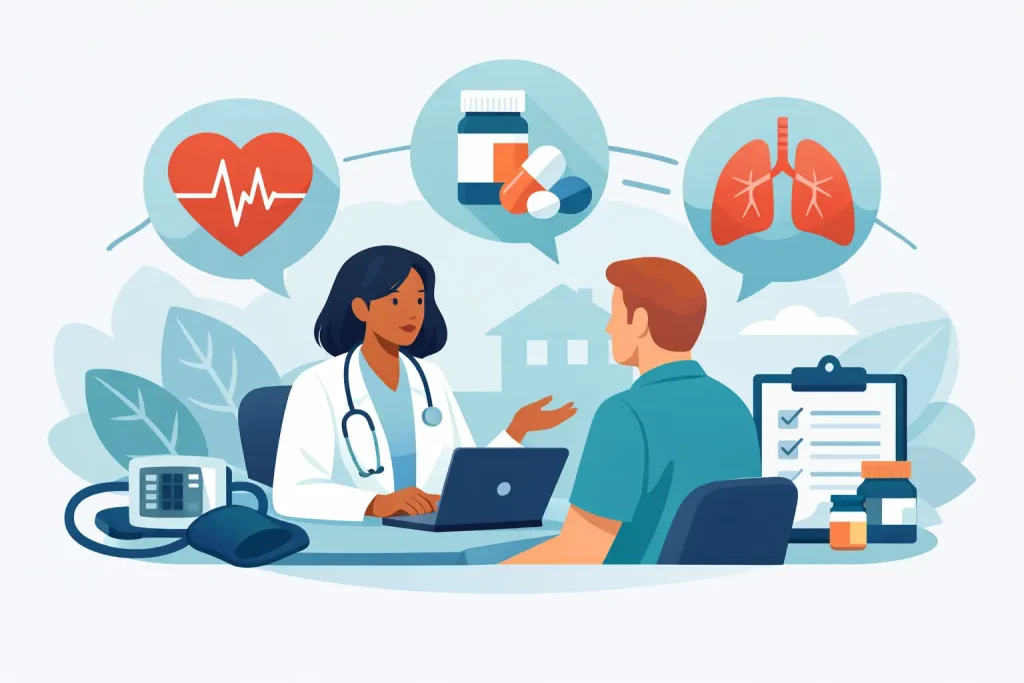
A lot of people wait until something feels urgent before making a medical appointment. That is understandable. Life gets busy, symptoms get brushed off, and it can seem easier to deal with health concerns later. But some of the top reasons to see primary care have less to do with emergencies and more to do with staying well, catching problems early, and having a doctor who knows you before a crisis happens.
Primary care is often the part of healthcare that makes everything else simpler. Instead of trying to figure out where to go for every new concern, you have a trusted starting point. That matters whether you need an annual physical, help managing blood pressure, answers about new symptoms, or support for your child, spouse, or aging parent.
Why the top reasons to see primary care go beyond annual checkups
Many people think of primary care as the place for a once-a-year physical and not much else. In reality, it often becomes the foundation for your long-term health. A primary care provider can track changes over time, notice patterns that might be missed in one-time visits, and help you make decisions based on your full health picture.
That continuity matters because health rarely happens in isolated moments. Weight changes, fatigue, recurring infections, rising blood pressure, trouble sleeping, digestive issues, and medication side effects can all be connected. When you see a provider who knows your history, your care tends to be more personal and more efficient.
1. Preventive care helps catch problems earlier
One of the strongest reasons to have a primary care provider is prevention. Screenings, routine lab work, blood pressure checks, vaccinations, and wellness visits are designed to spot concerns before they become harder to treat.
Early detection can make a major difference with conditions such as diabetes, high cholesterol, thyroid problems, and certain cancers. Even when you feel fine, your body can show early warning signs that are easy to miss without regular care. A preventive visit is not about looking for bad news. It is about building a clearer picture of your health and reducing the chance of avoidable complications.
There is also a practical side to prevention. Taking care of a problem early is often less stressful, less disruptive, and less expensive than waiting until symptoms become severe.
2. Primary care gives you one place to start when symptoms show up
Not every health issue is an emergency, but that does not mean it should be ignored. New headaches, stomach pain, unusual fatigue, skin changes, dizziness, lingering coughs, joint pain, and frequent infections all deserve attention. The challenge is knowing what to do first.
Primary care gives you a reliable first step. Instead of guessing whether a symptom is minor or serious, you can get evaluated by someone trained to look at the full picture. Sometimes the answer is simple and reassuring. Other times, a symptom needs testing, follow-up, or a referral. Either way, having one place to start removes a lot of uncertainty.
This is especially helpful for families. When a child spikes a fever, a parent develops sinus pressure that will not go away, or an older adult starts feeling weak or off balance, it helps to know where to turn.
3. Ongoing conditions need consistent management, not one-time fixes
If you live with high blood pressure, diabetes, asthma, high cholesterol, or another chronic condition, regular follow-up matters. These health issues usually are not managed well through occasional urgent visits alone. They need monitoring, medication review, lab work, and steady adjustments based on how your body responds.
That is where primary care plays a central role. Consistent care helps reduce complications, improve day-to-day symptoms, and keep treatment realistic for your lifestyle. A good care plan should work in real life, not just on paper.
There is also room for nuance here. Some patients need frequent visits while others may do well with routine check-ins a few times a year. It depends on the condition, the severity, and how stable things have been. The value of primary care is that your plan can be tailored rather than rushed.
4. Your medications need regular review
Many adults take more than one medication, especially as they get older or manage multiple health conditions. Over time, prescriptions can pile up, doses may need adjustment, and side effects may start to overlap in ways that are hard to recognize.
A primary care visit is a good time to review what you are taking, whether each medication is still needed, and whether anything may be causing problems such as fatigue, dizziness, stomach upset, or sleep issues. This is not only about prescription drugs. Vitamins, supplements, and over-the-counter medications matter too.
Medication review is one of the most overlooked reasons to stay connected to primary care. It can improve safety, reduce confusion, and help you feel better without adding unnecessary treatment.
5. Women’s health and routine family care are easier when services are connected
For many patients, convenience matters almost as much as quality. When routine care, preventive screenings, women’s health support, and same-day sick visits are handled in one practice, it becomes easier to keep up with your health.
This is especially important for busy adults and parents who are balancing work, school schedules, caregiving, and household responsibilities. If every health concern requires a different office, different paperwork, and different wait times, people are more likely to postpone care.
Connected care does not mean every issue can be solved in one visit. Some concerns still require specialists. But starting with a primary care team often saves time and reduces stress because your records, history, and treatment plan are already in one place.
6. Top reasons to see primary care include trust and continuity
When you see the same medical team over time, trust grows. That may sound simple, but it can change the entire experience of getting care. Patients are often more comfortable asking questions, bringing up sensitive symptoms, and being honest about what they are struggling with when they do not feel like they are starting from scratch every visit.
Continuity also helps your provider recognize what is normal for you and what is not. A slight change in weight, blood pressure, energy level, menstrual cycles, or lab results may mean more when viewed over time.
That relationship can be especially valuable for older adults, families with young children, and patients who have had frustrating experiences with fragmented care. Feeling known by your provider is not just comforting. It can lead to better decisions and fewer gaps in treatment.
7. Primary care can help you avoid unnecessary urgent care or ER visits
Urgent care has its place, and emergency rooms are essential for true emergencies. But many health concerns fall somewhere in the middle. They are important, uncomfortable, and need attention, but they may not require the ER.
Primary care can often help with infections, minor injuries, digestive issues, skin concerns, cold and flu symptoms, medication problems, and worsening chronic conditions. When you already have an established provider, it is often easier to get guidance on where your symptoms fit and how quickly you should be seen.
Of course, there are times when waiting for a regular appointment is not appropriate. Chest pain, severe shortness of breath, signs of stroke, serious injuries, and sudden severe symptoms should be treated as emergencies. But for many everyday medical concerns, primary care offers a more consistent and cost-conscious option.
8. Good primary care supports health at every life stage
Your healthcare needs change over time. A young adult may need school or work physicals, vaccinations, and help with everyday illnesses. Parents often need a dependable home base for family health questions. Older adults may need more frequent monitoring, medication management, and preventive screening.
Primary care works best when it adapts with you. That flexibility is one of the main reasons patients benefit from staying connected to a local medical practice instead of only seeking care when something goes wrong. In a community setting like Glen Burnie, having one trusted place for routine and ongoing care can make healthcare feel more manageable.
When should you schedule a primary care visit?
If it has been more than a year since your last checkup, that is a good reason to schedule. If you have ongoing symptoms, need medication refills, have a chronic condition that has not been reviewed recently, or simply want a provider who can get to know your health history, that is also enough of a reason.
You do not need to wait for a major problem to justify making an appointment. In many cases, the most valuable visits happen before a condition becomes urgent. That is the real benefit behind the top reasons to see primary care. You get a partner in your health who can help you stay ahead of problems, make informed decisions, and feel more confident about what comes next.
Healthcare should not feel like a maze. The right primary care relationship gives you a clear place to begin, and that can make all the difference.