

Introduction
Imagine receiving a snapshot of your health that reveals hidden risks long before symptoms arise—this is precisely what happens when you understand the critical interplay of blood pressure, cholesterol, and blood sugar levels. Subtle shifts in any one of these markers can silently escalate your risk for serious conditions like heart disease, stroke, or diabetes. A recent update underscores this urgency: nearly 90% of American adults face a cluster of silent threats—high blood pressure, unhealthy cholesterol, elevated blood sugar, and obesity—that collectively amplify cardiovascular and metabolic risks unless addressed as a comprehensive syndrome rather than isolated issues (New York Post, January 2026).
In a real‑world example, healthcare providers emphasize the “ABCs of diabetes”—A1C, Blood pressure, and Cholesterol—as foundational metrics in managing diabetes effectively. More than two‑thirds of adults with diabetes also contend with high blood pressure, indicating how closely these numbers are interconnected in patient outcomes (CardioSmart, American College of Cardiology).
As a professional reader, you deserve practical clarity: what thresholds matter, how deviations manifest in everyday life, and where you might draw the line before it becomes a crisis. For instance, knowing that a blood pressure reading above 130/80 mm Hg may classify as hypertension—or that an HbA1c above 6.5% signals diabetes—empowers informed discussions with your healthcare team (American Heart Association).
Throughout this article, we’ll demystify these pivotal metrics by blending concrete data, professional insights, and actionable guidance—showing you how to interpret what’s on your lab report, understand the significance behind each figure, and apply that knowledge to tangible, proactive health management. Whether you’re a patient, caregiver, or healthcare advocate, clarity on “Blood Pressure, Cholesterol, and Diabetes: What Your Numbers Mean” lays the groundwork for empowered, evidence‑based decisions.
Interpreting Your Numbers: What to Look For
Building on the clarity offered so far, understanding what your specific readings indicate is essential for applying the insights from “Blood Pressure, Cholesterol, and Diabetes: What Your Numbers Mean.” When your lab report arrives, it’s not just about seeing a number—it’s about knowing its implications and what steps follow.
Blood Pressure: More than Just Numbers
When you see your blood pressure listed, such as 128/78 mm Hg, you’re looking at two values: systolic (top) and diastolic (bottom). In this example, 128/78 mm Hg falls into the “elevated” category, meaning it’s higher than “normal” (<120/80 mm Hg) and merits early attention through lifestyle changes like reducing sodium, increasing physical activity, and stress management acc.org. Should your systolic reading cross into stage 1 hypertension (130–139 mm Hg or diastolic 80–89 mm Hg), your provider may consider starting medication alongside lifestyle interventions acc.org.
Cholesterol: Breaking Down the Lipid Profile
Imagine a lipid panel showing total cholesterol of 210 mg/dL, LDL of 120 mg/dL, and HDL of 45 mg/dL. A total cholesterol of 210 mg/dL falls into the “borderline high” category (>200 mg/dL), with LDL slightly elevated above optimal (<100 mg/dL) and HDL just below ideal (>60 mg/dL) en.wikipedia.org. This profile suggests increased cardiovascular risk and prompts adjustments like lowering saturated fat, increasing fiber intake, or potentially considering a statin under medical guidance.
Blood Sugar: Seeing the Big Picture
If your HbA1c result reads 6.2%, that places you in the prediabetes range (5.7–6.4%). To delay progression to diabetes, you might start using a food‑journal app, focus on reducing refined carbs, and walk for 30 minutes daily dmc.org. If your reading is 6.8%, that indicates Type 2 diabetes, and it’s important to work with your provider on medication, dietary planning, and monitoring.
Comparison Table: What Your Numbers Really Signify
| Test | Normal Range | Borderline / Elevated | Implications |
|---|---|---|---|
| Blood Pressure | <120/80 mm Hg | 120–129/<80 mm Hg | Encourage lifestyle changes; monitor regularly |
| Total Cholesterol | <200 mg/dL | 200–239 mg/dL | Assess LDL/HDL specifics; consider dietary changes |
| HbA1c | <5.7 % | 5.7–6.4 % | Prediabetes; initiate weight loss and nutrition plan |
Recognizing these thresholds helps bridge understanding and motivate action. For instance, someone with elevated blood pressure and borderline cholesterol might benefit from adopting the DASH diet and increasing exercise to shift both metrics safely. And if your HbA1c is creeping upward, a tailored plan involving dietary shifts and consistent monitoring becomes vital. These examples make it clear how “Blood Pressure, Cholesterol, and Diabetes: What Your Numbers Mean” evolves from concept to personalized health roadmap.
Keep in mind that context matters—age, family history, and existing health conditions all influence what’s appropriate for you. Moving forward, you’ll learn how to translate these readings into long‑term behavioral strategies and working partnerships with your care team.
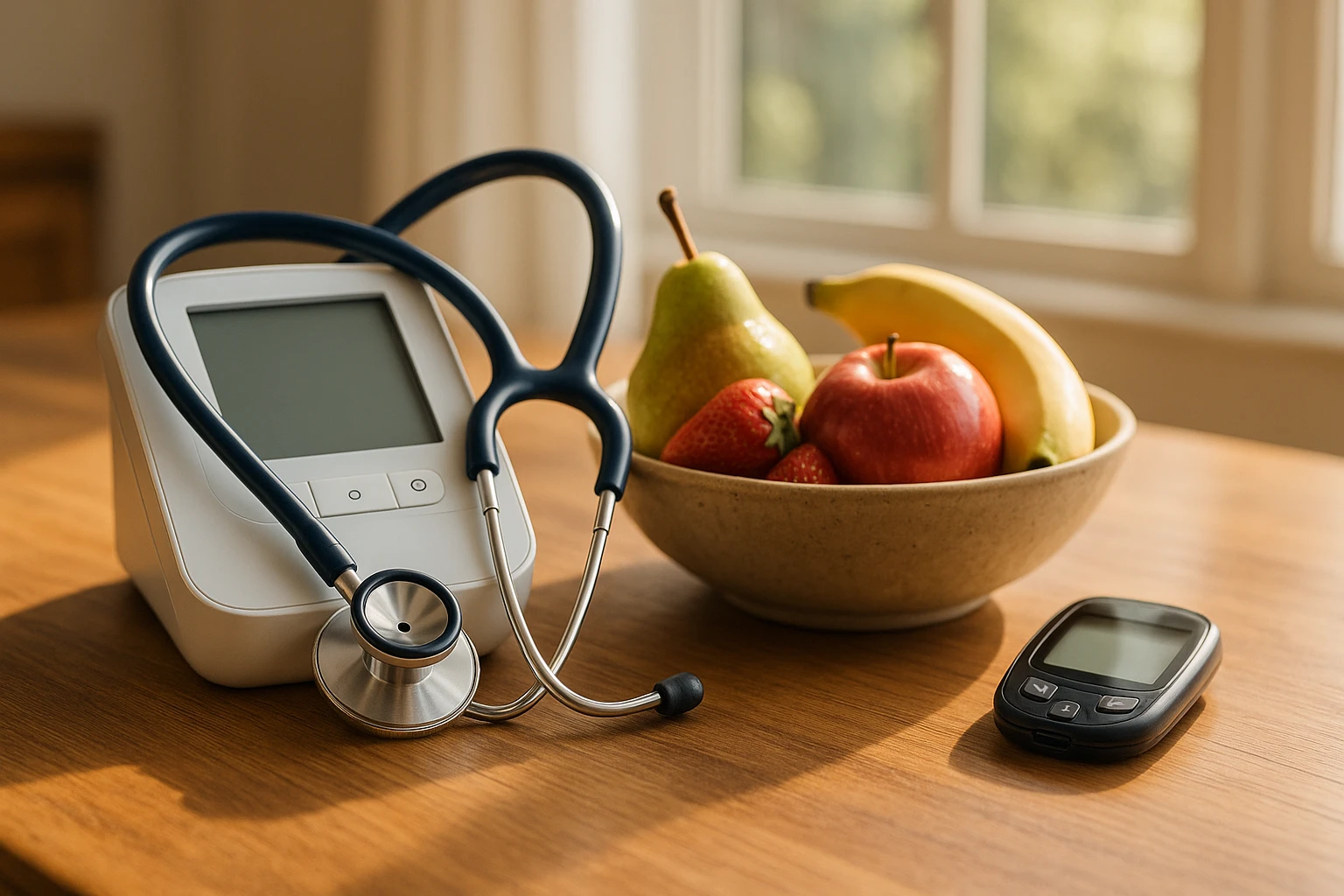
Understanding Cholesterol Levels
Cholesterol, a waxy substance found in your blood, is crucial for building healthy cells. However, having high cholesterol can increase your risk of heart disease. It’s divided into low-density lipoprotein (LDL) and high-density lipoprotein (HDL). While LDL is often referred to as “bad” cholesterol, HDL is considered “good” cholesterol due to its role in transporting cholesterol away from the arteries and back to the liver where it’s processed and eliminated from the body.
For many people, understanding the significance of cholesterol numbers is crucial for proactive health management. According to the Centers for Disease Control and Prevention, LDL levels should generally be less than 100 mg/dL, while HDL levels greater than 60 mg/dL are ideal for reducing cardiovascular risk. Elevated LDL levels can lead to plaque buildup in arteries, potentially resulting in heart attacks or strokes. Lifestyle changes, such as diet and exercise, play a significant role in managing these numbers.
Practical Steps for Managing Cholesterol
Achieving a healthy balance involves incorporating a diet rich in vegetables, fruits, whole grains, and lean proteins while also minimizing intake of saturated fats and trans fats. Regular exercise, such as brisk walking or cycling, boosts HDL cholesterol, which can offset the negative effects of LDL. Many healthcare professionals recommend using resources like MedHaven to access tailored nutritional advice and regular monitoring which can markedly help in keeping cholesterol levels in check.
Moreover, medications, such as statins, are commonly prescribed when lifestyle changes aren’t enough to achieve the desired cholesterol balance. These medications work by blocking a substance needed to make cholesterol, and they are often used together with lifestyle changes for maximum effectiveness. According to research published by the American Heart Association, individuals combining medication with lifestyle modifications experience the greatest reductions in cholesterol levels. For more details, see the American Heart Association.
Managing cholesterol is crucial, especially when considering its impact on conditions related to blood pressure and diabetes. As part of a holistic health strategy, understanding and maintaining your numbers in these areas can lead to improved overall well-being. Indeed, exploring professional healthcare solutions such as MedHaven can provide the necessary support and resources for making informed decisions related to blood pressure, cholesterol, and diabetes: what your numbers mean for your health.
Understanding the Impact: How Small Changes Yield Big Benefits
Subtle Blood Pressure Improvements Can Have Significant Public Health Effects
Even minor reductions in blood pressure can yield disproportionately large health benefits. A landmark analysis using data from the Framingham Heart Study estimated that lowering diastolic blood pressure by just 2 mm Hg across a population could reduce coronary heart disease risk by around 6% and stroke risk by roughly 15%—results comparable in magnitude to treating people with high baseline levels through medication alone—highlighting the outsized impact of modest, widespread lifestyle changes such as reducing sodium intake or increasing physical activity PubMed (1995).
Lowering LDL Cholesterol: Stronger Hearts, Longer Lives
Statin therapy has been shown to meaningfully improve outcomes by lowering “bad” LDL cholesterol. Meta-analysis indicates that statins typically reduce LDL by about 28%, leading to a 31% drop in major coronary events and a roughly 29% reduction in fatal coronary disease, with additional decreases in all-cause and cardiovascular mortality NCBI Bookshelf. More aggressive regimens can lower LDL by as much as 70 mg/dL, reducing cardiac events by up to 60% and stroke risk by about 17% Wikipedia – Statin.
Diabetes Control: A Pivotal Factor in Heart Health
Living with diabetes significantly increases cardiovascular risk. Adults with diabetes are about twice as likely to suffer heart disease or stroke compared to those without diabetes—even when blood sugar appears well-managed CDC and American Heart Association. This heightened risk is believed to begin decades before type 2 diabetes is formally diagnosed, with evidence showing elevated rates of heart attacks and strokes up to 30 years before diagnosis Harvard Health (2025).
Combining Strategies for Maximum Cardiovascular Protection
Integrating modest improvements—lowering blood pressure by a couple mm Hg, reducing LDL cholesterol via statins or dietary adjustments, and controlling blood glucose levels—can dramatically reduce cardiovascular risk. These strategies complement each other and can be personalized: for instance, someone with both elevated blood pressure and LDL might adopt diet changes while initiating statin therapy, amplifying benefit. Case studies from community health initiatives show that remote monitoring and coordinated care can achieve reductions of 20 mm Hg in systolic pressure and nearly 4 points in average glucose levels within six months ArXiv (2025). Leveraging the insights found in Blood Pressure, Cholesterol, and Diabetes: What Your Numbers Mean allows readers to pursue data-backed, actionable targets and better understand why managing even small numerical shifts matters.

Conclusion: Understanding and Acting on Your Health Data
Grasping the significance of your health numbers related to blood pressure, cholesterol, and diabetes has never been more crucial. These metrics provide essential insights into your overall health, guiding both preventive measures and treatment plans. By knowing what these numbers mean, you empower yourself to make informed decisions about your lifestyle and healthcare.
Taking proactive steps can significantly impact your well-being. For example, maintaining a balanced diet rich in fruits, vegetables, and whole grains can help manage cholesterol levels. Regular physical activity, such as brisk walking or cycling, can effectively lower blood pressure and improve insulin sensitivity in individuals with diabetes. Moreover, routine check-ups with healthcare professionals can ensure that you stay informed about your numbers and any necessary adjustments to your strategies.
It’s also crucial to recognize the synergy between these health factors. High blood pressure, cholesterol, and diabetes often coexist, creating a more complex risk profile for cardiovascular diseases. Understanding this interplay allows for more targeted interventions. Tailored lifestyle changes, medications, or combined therapies can address multiple concerns simultaneously, reducing overall health risks.
For those seeking comprehensive support in managing these health metrics, consider utilizing resources such as MedHaven. With a team dedicated to personalized care and state-of-the-art tools, they offer valuable services to track, interpret, and improve your health outcomes. Their platform could be a pivotal resource in transforming awareness into action.
Remember, knowledge is power. By understanding “Blood Pressure, Cholesterol, and Diabetes: What Your Numbers Mean,” you equip yourself with the tools to take control of your health. Make today the day you start your journey towards better health. Begin with small steps, like scheduling that long-overdue check-up or planning a heart-healthy meal, and build from there. Your body will thank you.


