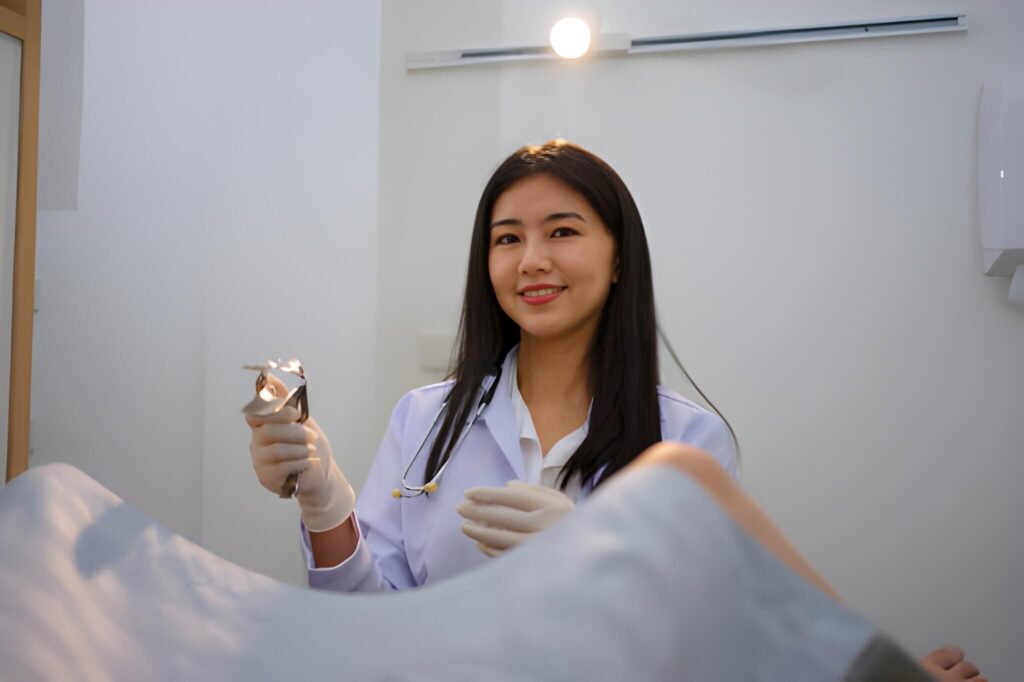
A wellness exam in Glen Burnie is more than a quick check of your weight and blood pressure. It is dedicated time to look at the bigger picture of your health, discuss what has changed since your last visit, and make a practical plan for staying well. Whether you feel perfectly healthy, manage an ongoing condition, or have simply put off routine care, preventive visits give you and your provider a chance to address concerns before they become more complicated.
At MedHaven Health, we believe good primary care starts with listening. Your wellness visit should feel unhurried, personal, and focused on the questions that matter to you and your family.
Why a Wellness Exam Matters
Many health concerns develop quietly. High blood pressure, elevated cholesterol, diabetes, and some forms of cancer may not cause noticeable symptoms early on. A regular wellness exam helps identify risk factors and determine which preventive screenings make sense based on your age, medical history, family history, and lifestyle.
The goal is not to order every possible test. Thoughtful preventive care is personalized. A younger adult with no major health history may need a different set of screenings than a Medicare-age patient, a new parent, or someone managing diabetes or heart disease. Your provider can explain what is recommended, why it is useful, and when it should be completed.
These appointments also create continuity. When the same practice knows your health history over time, it is easier to spot meaningful changes, coordinate routine care, and make decisions that fit your needs rather than relying on a one-size-fits-all checklist.
What Happens During a Wellness Exam in Glen Burnie
A wellness exam usually begins with a conversation. Your care team may ask about recent illnesses, medications, allergies, sleep, nutrition, physical activity, tobacco or alcohol use, and changes in your personal or family health history. This is a good time to bring up concerns that may seem small, such as frequent headaches, low energy, joint pain, digestive changes, or trouble sleeping.
Your provider will typically review vital signs such as blood pressure, heart rate, weight, and temperature when appropriate. Depending on your age and health needs, the visit may also include a physical examination and a discussion of recommended laboratory work, vaccinations, or preventive screenings.
For many patients, the most valuable part is the conversation after the basics are complete. You can ask questions about a medication, discuss a goal like healthy weight management, or talk through the next steps for a chronic condition. A wellness exam should leave you with a clear understanding of what is going well and what deserves attention.
Your Visit May Include Preventive Recommendations
Preventive services vary from person to person, but your provider may discuss blood pressure monitoring, cholesterol testing, blood sugar screening, colorectal cancer screening, cervical cancer screening, breast health, prostate health, and recommended vaccinations. They may also review whether you are due for routine vision, dental, or other specialty care.
Some recommendations can be handled during your visit, while others may require scheduling a follow-up test or referral. That is normal. The value of having a primary care team is knowing who can help you understand those next steps and keep your care organized.
Wellness Visit, Annual Physical, and Medicare Wellness Visit: Is There a Difference?
People often use these terms interchangeably, but they are not always the same. An annual physical generally focuses on a broad assessment of your current health and may include a hands-on exam, depending on your needs and insurance coverage. A wellness visit often focuses more closely on prevention, health risks, screenings, and creating a plan for the year ahead.
For Medicare patients, an Annual Wellness Visit has its own format. It commonly includes a health risk assessment, medication review, screening schedule, and personalized prevention plan. It may not include every service that people associate with a traditional physical exam. If you have new symptoms or need care for a specific problem, those concerns may need to be addressed separately during the same appointment or in a follow-up visit.
Coverage can also differ by insurance plan. Before your appointment, it is reasonable to ask what your plan covers and whether there could be a cost for services outside the preventive visit. Self-pay patients can also ask about affordable options before scheduling. Clear information helps prevent surprises and lets you focus on your care.
How to Prepare for Your Appointment
You do not need to arrive with every answer, but a little preparation can make your appointment more useful. Bring an updated list of medications, including over-the-counter products and supplements. If you have seen another provider recently, remember any new diagnoses, tests, procedures, or treatment changes.
It can also help to write down your top concerns beforehand. Patients often remember an important question after they leave the office, especially when the visit includes several topics. A short list keeps the conversation focused and helps your provider understand what matters most to you.
If you have family history information, bring that as well. Knowing whether close relatives have had heart disease, diabetes, cancer, or other conditions can affect when screenings should begin. Even incomplete information is worth sharing.
Finally, be open about your daily routine. Your provider is not there to judge your meals, activity level, or health habits. Honest details support a more realistic plan. The best recommendations are the ones that can work in your actual life, whether you are balancing work, caregiving, school, or a busy family schedule.
When a Wellness Exam Is Not Enough
Wellness care is designed for prevention and routine health planning. If you have sudden chest pain, difficulty breathing, signs of a stroke, severe injury, or another emergency, call 911 or seek emergency care right away.
For non-emergency problems that need prompt attention, such as a sore throat, urinary symptoms, a rash, minor injury, or an illness that cannot wait for your next routine visit, same-day or urgent care may be a better fit. A primary care practice that offers both preventive and urgent services can be especially helpful because your care is less likely to feel fragmented.
You also do not have to wait for your next annual visit to discuss a new concern. Changes in your health deserve timely attention. Preventive visits work best when they are part of an ongoing relationship with a care team you can contact throughout the year.
Make Preventive Care Easier to Keep
The hardest part of preventive care is often finding time for it. Between work schedules, family responsibilities, and everyday demands, routine appointments can fall down the list. Scheduling your wellness exam around your birthday, at the start of a new year, or during the month your insurance benefits renew can create a simple reminder system.
For families, routine visits can also be an opportunity to model proactive healthcare for children and loved ones. When health conversations happen regularly instead of only during illness, they become less stressful and more useful.
A wellness exam is one appointment that can influence many others: the screening you complete on time, the blood pressure change you catch early, the medication question you finally ask, or the goal you begin with support. Choose a time to schedule your visit, bring your questions, and let your healthcare team help you take the next practical step toward a healthier year.