A wellness visit is one of the few appointments designed around how you feel when nothing is urgently wrong. If you have ever asked, “what does a wellness exam include?” the short answer is a thoughtful look at your current health, your risks for future concerns, and the preventive care that makes sense for your age and circumstances.
It is not a rushed, one-size-fits-all checklist. A good wellness exam gives you time to discuss changes you have noticed, update your health history, and make a plan with a provider who understands the bigger picture. For busy adults and families, that ongoing relationship can make preventive care feel far more manageable.
What Does a Wellness Exam Include?
The exact details vary by patient. Your age, sex, family history, medications, past diagnoses, and personal goals all help determine what your provider recommends. Still, most wellness exams include a health review, vital signs, a focused physical exam, age-appropriate preventive screenings, vaccine review, and a conversation about healthy habits.
A wellness exam is different from a sick visit. If you arrive with a new concern, such as persistent pain, a rash, or symptoms of an infection, your provider may be able to address it during the same appointment. However, insurance coverage and scheduling can differ when a preventive visit also includes evaluation or treatment of a separate medical problem. Asking the office beforehand can help you know what to expect.
Your health history and current concerns
Your provider will begin by reviewing the information that shapes your care. This often includes your personal medical history, surgeries, allergies, medications, and family history of conditions such as heart disease, diabetes, high blood pressure, or certain cancers.
Be prepared to mention changes since your last visit. That may include a medication started by another provider, an emergency room visit, a recent diagnosis, changes in appetite or sleep, or health concerns that run in your family. Even details that seem small can help your provider identify patterns and recommend the right next step.
This conversation is also a chance to talk about your priorities. Maybe you want to improve your blood pressure, prepare for pregnancy, manage your weight, stop using tobacco, or simply make sure you are up to date on routine care. Wellness care works best when it reflects what matters to you, not just what appears on a form.
Vital signs and a physical exam
Most visits include measurements that provide a useful snapshot of your health. Your care team may check your blood pressure, heart rate, temperature, height, weight, and body mass index. Depending on your needs, they may also review blood oxygen levels or other measurements.
Your provider will generally listen to your heart and lungs and may examine your ears, throat, abdomen, skin, reflexes, or joints. The exam is guided by your age, health history, and symptoms. A healthy 25-year-old and a 70-year-old managing several chronic conditions should not expect identical exams.
These basic checks matter because many common conditions do not cause obvious symptoms early on. High blood pressure, for example, can develop quietly. Finding a change before it becomes a larger problem gives you and your provider more options.
Screenings and lab work: what may be recommended
A wellness exam often includes a conversation about preventive screenings, but it does not always mean every test will happen that day. Some screenings require a separate appointment, while others are ordered only when your age, risk factors, or past results indicate a need.
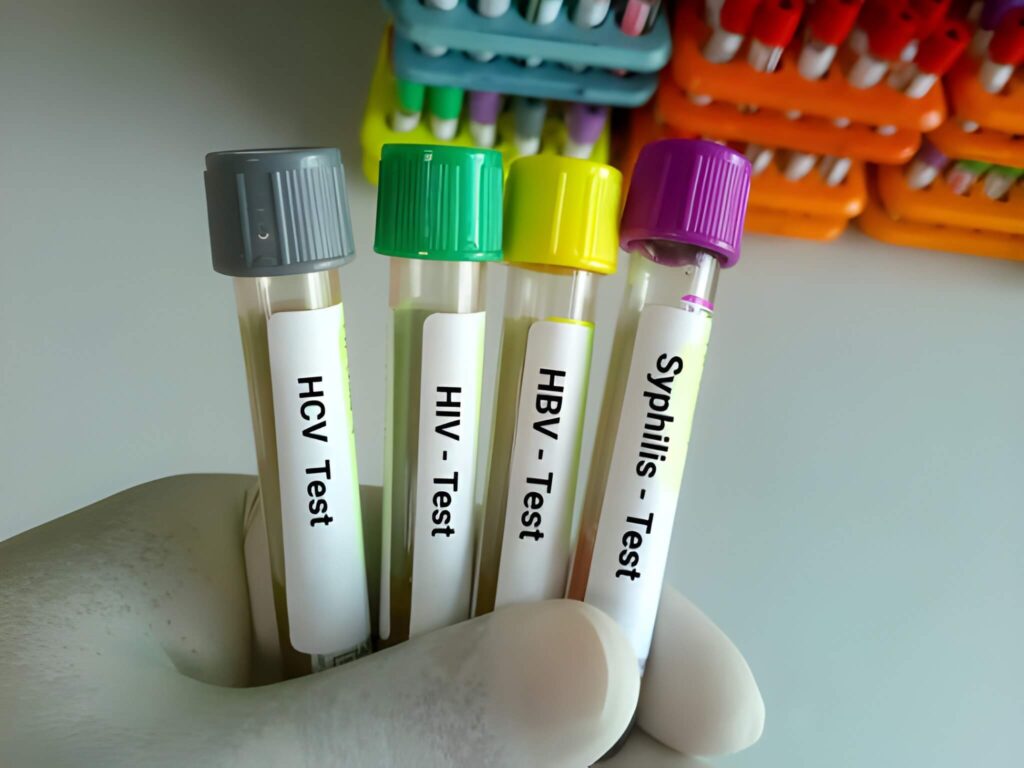
Your provider may recommend screening for blood pressure, cholesterol, diabetes, certain cancers, osteoporosis, hepatitis C, HIV, or other conditions based on current medical guidelines and your individual risk. Women may also discuss cervical cancer screening, breast health, reproductive health, and pregnancy planning when appropriate.
Routine lab work can be helpful, but more testing is not always better care. A provider may order blood work to check cholesterol, blood sugar, kidney function, thyroid function, or other areas when there is a clinical reason to do so. If you already have a chronic condition, labs may be part of monitoring your treatment plan rather than a standard wellness requirement.
Before your appointment, find out whether you need to fast for any planned blood tests. If you are unsure, bring your questions with you. Clear instructions can prevent an unnecessary repeat visit.
Vaccines and medication review
Wellness visits are a practical time to make sure your immunizations are current. Recommended vaccines vary by age, health conditions, work environment, travel plans, and previous vaccination history. Your provider can help you understand whether you are due for seasonal vaccines or protection against illnesses such as tetanus, shingles, pneumonia, or hepatitis.
Your medication list should be reviewed at least once a year, including prescriptions, over-the-counter medicines, vitamins, and supplements. Bring the bottles or an updated list if possible. This helps your provider check for duplicate medications, interactions, side effects, and prescriptions that may no longer be necessary.
Do not assume that a medication is automatically safe just because it is available without a prescription. Supplements and common pain relievers can affect other treatments or certain health conditions. A complete list supports safer, more coordinated care.
Your everyday habits are part of preventive care
A wellness exam is not about being judged for your routine. It is a chance to have a realistic conversation about the factors that influence your health between appointments. Your provider may ask about nutrition, activity, tobacco or alcohol use, sleep, work demands, sexual health, and safety at home or on the road.
The goal is to identify changes that are achievable. For one person, that may mean taking short walks more often. For another, it may mean adjusting meals to support blood sugar control or making a plan to quit smoking. Small, practical changes can be more sustainable than an unrealistic overhaul.
If you are caring for children or older relatives, remember that your own preventive appointments matter too. Keeping up with wellness care can help you stay available for the people who depend on you.
How to prepare for a more useful appointment
You do not need to arrive with everything perfectly organized, but a few minutes of preparation can make your visit more productive. Bring your insurance card and photo ID, an updated medication list, and any records from specialists, urgent care visits, or hospital care that your primary care provider may not have received.
It also helps to write down questions before you come in. If there are two or three things you do not want to forget, put them at the top of the list. You can ask which screenings you are due for, what your numbers mean, whether a vaccine is recommended, and when you should return.
If cost is a concern, ask about coverage before testing is completed. Preventive services are often covered differently than diagnostic services, and the answer can depend on your insurance plan and the reason a test is ordered. Self-pay patients should ask the clinic about available pricing options as well.
Wellness care is a starting point, not a once-a-year task
A wellness exam creates a baseline and helps you make informed choices before problems become harder to manage. It also gives your provider the context needed to notice meaningful changes over time. That continuity is especially valuable when you need follow-up care, a same-day visit, or support managing an ongoing condition.
At MedHaven Health, patients in Glen Burnie can use a wellness visit to build a practical preventive care plan with a primary care team that listens. Schedule your exam when you are feeling well, bring your questions, and let the visit be one simple way to invest in the years ahead.