Skip to content
Understanding Different IUD Kinds: A Comprehensive Introduction
When it comes to contraception, the Intrauterine Device (IUD) represents a revolutionary shift in women’s reproductive health. The IUD offers long-term, reversible protection, which makes it an appealing choice for many seeking reliable birth control without daily maintenance. But what exactly are the different IUD kinds available on the market today, and how do they cater to diverse health needs and lifestyles?
The essence of IUDs lies in their ability to provide effective contraception, achieved through various mechanisms and materials. There are primarily two categories of IUDs: hormonal and non-hormonal. Each of these variants has distinct characteristics that suit different individual preferences and health considerations. Understanding these types can help women make informed decisions tailored to their health goals.
Hormonal IUDs utilize a hormone called levonorgestrel to prevent pregnancy. They release this hormone slowly over time, which thickens the cervical mucus to block sperm and may also suppress ovulation. Examples of popular hormonal IUDs include Mirena, Kyleena, Liletta, and Skyla. These devices are favored for their additional benefit of reducing menstrual bleeding and cramps, often providing relief for those struggling with heavy periods.
On the other hand, the non-hormonal IUD, commonly known as the copper IUD, employs copper’s natural spermicidal properties. The leading product in this category is Paragard. It is a standout option for those who prefer or require a hormone-free method of contraception. The copper IUD can last up to ten years, making it one of the longest-lasting temporary contraceptive methods available.
The choice between these IUD kinds can be influenced by individual health profiles, lifestyle, and future family planning goals. For women seeking further insight into how these IUD options align with preventive health strategies, exploring services like Preventive Care Glen Burnie can be beneficial.
Each type of IUD offers a distinct set of advantages and considerations. Thus, understanding your body and consulting with healthcare professionals to discuss the possibilities can be crucial. Whether prioritizing hormone-free options or preferring reduced menstrual symptoms, grasping the nuances of these IUD kinds will empower you to make informed choices that align with your health and future plans.
Types of Intrauterine Devices (IUDs)
When exploring the diverse array of iud kinds, it is essential to understand the differences between hormonal and non-hormonal options. Each type offers unique benefits tailored to individual needs, preferences, and health conditions. By gaining a deeper comprehension of these differences, individuals are better equipped to make healthcare decisions that align with their reproductive goals.
Hormonal IUDs
Hormonal IUDs are a popular choice for many seeking effective contraception. These IUDs release small amounts of progestin, which thickens cervical mucus to prevent sperm from reaching the egg. Additionally, they often reduce menstrual bleeding and cramps. Notable examples include Mirena, which can last up to seven years, and Kyleena, lasting up to five years. Studies have shown that hormonal IUDs are over 99% effective in preventing pregnancy [source].
Non-Hormonal IUDs
For those preferring hormone-free options, the copper IUD, such as Paragard, proves beneficial. This IUD alters the way sperm move, preventing fertilization without affecting hormonal balance. While it may result in heavier periods initially, many find it advantageous for its longevity, effective up to 10 years, and immediate return to fertility upon removal. Non-hormonal IUDs are an excellent choice for individuals who may experience hormone-related side effects.
Comparison of IUD Kinds
The choice between IUD kinds often hinges on personal lifestyle, health conditions, and long-term family planning. An in-depth consultation with a healthcare provider can help in evaluating individual circumstances. Consider checking the Choose Primary Care Doctor Glen Burnie page for guidance on selecting healthcare professionals to consult.
| IUD Type | Duration | Main Component | Effectiveness |
|---|---|---|---|
| Mirena | Up to 7 years | Hormonal (Progestin) | Over 99% |
| Kyleena | Up to 5 years | Hormonal (Progestin) | Over 99% |
| Paragard | Up to 10 years | Copper | Over 99% |
As these options illustrate, understanding the advantages and considerations of different IUD kinds helps in making informed contraceptive choices. The decision-making process, though complex, is empowered by knowledge and the support of healthcare professionals. Ultimately, the right IUD can offer peace of mind and align perfectly with one’s health objectives.
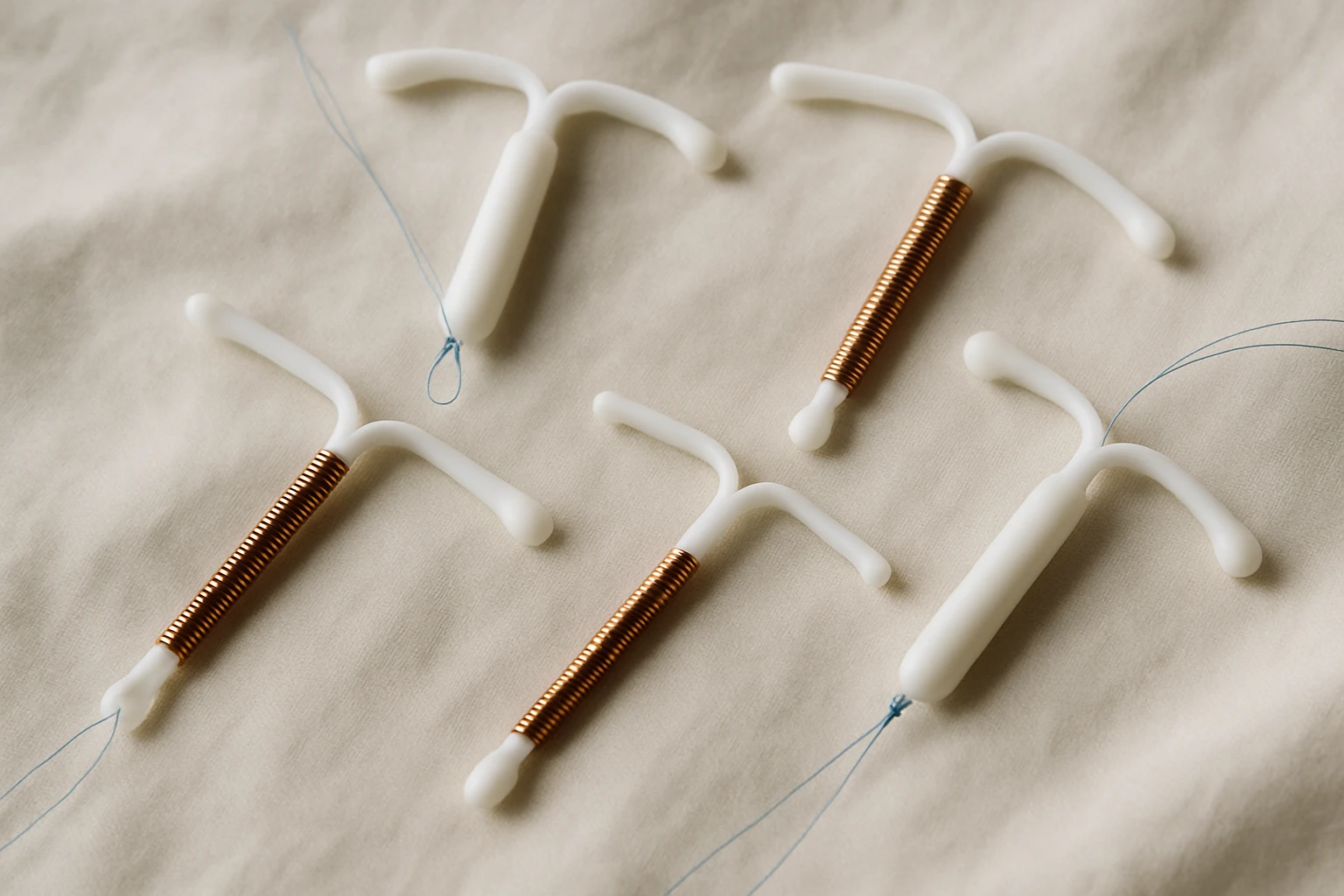
Effectiveness and Longevity of Different IUD Kinds
Understanding the effectiveness and longevity of various IUD kinds is crucial for those considering this form of contraception. Both copper and hormonal IUDs offer high effectiveness rates, but they differ in their duration and mechanisms.
Copper IUDs: Long-Term Protection
Copper IUDs function without hormones, using copper’s natural spermicidal properties to prevent pregnancy. They have an impressive effectiveness rate of approximately 99.2%, according to ACOG. One of the standout features is their longevity; they can remain in place for up to 10 years, making them a favored choice for individuals seeking a long-term solution without frequent replacements.
Hormonal IUDs: Balancing Longevity and Regulation
Hormonal IUDs release levonorgestrel to disrupt ovulation and thicken cervical mucus, which is effective in preventing pregnancy. Depending on the brand, these IUDs can last between 3 to 7 years, with a similar effectiveness rate to their copper counterparts at about 99.8%. The hormonal IUD is often chosen not only for contraception but also for its ability to regulate periods and reduce menstrual cramps, providing additional benefits for many users.
When choosing between these IUD kinds, factors like duration between replacements and potential side effects are key considerations. For those who value non-hormonal methods or seek longer-lasting solutions, copper IUDs may be preferable. Conversely, optimal hormonal regulation might sway others towards hormonal IUDs as a more suitable option.
For personalized guidance, platforms like MedHaven offer expert consultations on selecting the appropriate IUD type, ensuring tailored advice to fit individual health profiles.
Expert Opinions and Studies
According to a study published in the National Institutes of Health, both copper and hormonal IUDs exhibited high satisfaction rates among users, highlighting their reliability and convenience as methods of contraception. The study emphasizes the importance of personalized healthcare solutions, which is where resources like the Annual Physical Exam Checklist For Female can guide informed decisions.
Understanding the Differences Between IUD Kinds
Effectiveness and Duration
When comparing different types of intrauterine devices, both hormonal and copper options deliver exceptional reliability for long-term contraception. For instance, levonorgestrel-releasing hormonal IUDs like Mirena, Kyleena, Liletta, and Skyla typically offer failure rates between 0.1% and 0.2% during the first year of use, with effectiveness lasting from three to eight years depending on the brand. After removal, fertility often returns quickly en.wikipedia.org. The copper IUD—such as ParaGard—provides similarly high efficacy, with a typical failure rate around 0.6% to 0.8% in the first year and usability extending up to ten years self.com.
How Each Works and Additional Benefits
Hormonal IUDs operate by gradually releasing progestin, which thickens cervical mucus, thins the uterine lining, and sometimes suppresses ovulation altogether. These mechanisms not only prevent pregnancy but can also help decrease menstrual flow and relieve cramps. Over time, some users may even stop menstruating entirely, with amenorrhea occurring in up to 20% of users within a year en.wikipedia.org.
A copper IUD, on the other hand, functions without hormones. Instead, copper ions generate a localized inflammatory response toxic to sperm, creating a highly effective spermicide-like environment. An additional standout benefit of copper IUDs is their capacity to serve as emergency contraception if placed within five days after unprotected sex self.com.
Side Effects and Considerations
Some users may face tradeoffs depending on which IUD they choose. Hormonal devices can introduce systemic effects such as acne, breast tenderness, mood fluctuations, and ovarian cysts, particularly during the initial months as the body adapts desertstarfp.org. Despite these, many find these IUDs provide relief from heavy bleeding and painful periods, especially for those with endometriosis or anemia healthline.com.
Conversely, copper IUDs avoid hormonal side effects entirely but can intensify menstrual symptoms such as heavier periods and intensified cramps—especially during the first few months of use. While these side effects often improve over time, some users may require NSAIDs to manage discomfort health.com. Long-term, routine use of a copper IUD may also slightly lower hemoglobin levels in some individuals droracle.ai.
Real-World Implications and Choosing the Right Option
- Individuals seeking effective contraception without hormones—and with the flexibility of emergency contraception—often find copper IUDs particularly appealing, though they should be prepared for initial menstrual changes.
- Those who struggle with menstrual pain or have conditions like endometriosis may benefit from hormonal IUDs thanks to their ability to reduce bleeding and cramps.
- Fertility goals also play a role: if planning to conceive in the near future, both options are reversible, but hormonal IUDs might take a few months for fertility to return fully, whereas fertility often resumes immediately after copper IUD removal en.wikipedia.org.
Conclusion
Exploring the range of available IUD kinds offers invaluable insights into how each type can fit different lifestyles and health needs. From hormonal options to non-hormonal choices like the copper IUD, selecting the right type can significantly influence its effectiveness and compatibility with your body. The key takeaway here is to engage in an informed discussion with your healthcare provider. By understanding the unique benefits and potential side effects of each kind, you can make a decision that aligns with your personal health goals.
For those who value long-term contraception without the need for daily attention, IUDs represent a highly effective solution. They are one of the most reliable methods of birth control, boasting effectiveness rates of over 99% according to Planned Parenthood. Such impressive efficacy rates are a compelling reason for their growing popularity.
Actionable Insights
When considering an IUD, assess your personal health conditions, lifestyle, and reproductive intentions. For instance, if you prefer a hormone-free option, the copper IUD might suit you best. Conversely, if you seek the benefits of hormonal regulation, consider a hormonal IUD. It’s also worthwhile to evaluate the duration of protection you desire, as different IUD kinds offer varying lengths of effectiveness.
Moreover, maintaining open communication with your healthcare provider ensures that you’re not only choosing the right type of IUD but also getting tailored advice on managing any side effects. They can provide ongoing support and adjustments to your contraceptive plan as needed.
Next Steps
To further explore your options and receive expert guidance, consider reaching out to reputable resources like MedHaven. Their comprehensive support can assist in navigating the complexities of IUDs, ensuring you make the most informed decision possible.
In summary, with careful consideration and professional support, the right IUD can empower you to take control of your reproductive health with confidence and ease. Take action today by consulting with professionals and utilizing trusted resources to begin your journey toward optimal contraceptive care.
Article Generated by Soogle

CRNP, FNP-BC, MSN is a board-certified Family Nurse Practitioner with 16+ years of experience. She provides personalized, high-quality care in family medicine, preventive health, and chronic disease management at MedHaven Health in Glen Burnie, Maryland. Read More