Skip to content
Understanding Medication Options for Substance Dependency Disorder
Substance dependency disorder is a complex and challenging condition that affects countless individuals across the globe. The journey towards recovery often involves multiple strategies and treatments, including medication-assisted therapy. Among the prominent medications used in treating this disorder are Methadone, Naltrexone, Buprenorphine, and Suboxone. Each of these medications has distinct characteristics and benefits, making it essential for individuals to understand which might be best suited to their specific needs.
The choice between Methadone, Naltrexone, Buprenorphine, and Suboxone can substantially impact the success of a recovery program. Each medication operates in a unique manner. Methadone, for example, is a long-acting opioid agonist that helps reduce cravings and withdrawal symptoms by targeting the same receptors in the brain. This medication has been extensively researched, and its benefits have been highlighted in numerous studies, showing reduced rates of illegal opioid use and lower instances of overdose according to research. However, it requires strict regulation and is often administered at specialized clinics.
Naltrexone, on the other hand, functions differently as an opioid antagonist. It blocks the euphoric and sedative effects of opioids, reducing the motivation to continue using. This non-addictive medication is an appealing choice for individuals who have completed detoxification and are committed to abstinence. A study published in the American Journal of Psychiatry demonstrated the effectiveness of Naltrexone in reducing relapse rates and supporting long-term recovery goals.
Meanwhile, Buprenorphine and Suboxone offer additional options. Buprenorphine acts as a partial opioid agonist, providing relief from withdrawal symptoms while having a ceiling effect that reduces the risk of misuse. Suboxone is a combination of Buprenorphine and Naloxone, which further discourages misuse. These medications can often be prescribed by doctors in an office setting, making them more accessible compared to Methadone. Real-world applications have shown that Buprenorphine and Suboxone help in stabilizing patients, allowing them to focus on behavioral therapies and support networks.
Deciding which medication is best for treating substance dependency disorder can depend on multiple factors, including severity of addiction, lifestyle considerations, and personal health goals. For those interested in exploring treatment options further, consulting with healthcare professionals is crucial. Additionally, resources such as the Therapy Glen Burnie page offer insights into supportive therapies that complement medication-assisted treatment.
Understanding Medication Options for Substance Dependency Disorder
The treatment of substance dependency disorder requires a comprehensive approach and knowledge of several different medication options. Choosing which of these medication is best for treating substance dependency disorder: Methadone, Naltrexone, Buprenorphine, or Suboxone depends on individual needs and specific substance dependencies. Each medication offers unique benefits and may be more suitable for different individuals based on their medical history, type of dependency, and personal circumstances.
Methadone: An Effective Long-Term Solution
Methadone is a long-acting opioid agonist used primarily to treat opioid dependency. It works by mitigating withdrawal symptoms and reducing cravings, thereby enabling individuals to focus on recovery. The effectiveness of Methadone has been well-documented. For instance, one study found that Methadone maintenance treatment reduced heroin use and improved social functioning in 70% of participants over a year (Source). However, Methadone requires daily dosing at specialized clinics, which may be a limitation for some.
Naltrexone: Blocking the High
Naltrexone is another effective option, especially for individuals who wish to avoid replacement therapies. As an opioid antagonist, Naltrexone works differently by blocking opioid receptors and thus the effects of opioids. This medication is also used to treat alcohol dependency, offering versatility in treatment. Despite its benefits, adherence can be a challenge, as Naltrexone requires individuals to be fully detoxified before starting treatment. According to research, the success rate of Naltrexone usage is linked to compliance, highlighting the importance of structured support systems (Source).
Buprenorphine and Suboxone: A Flexible Approach
Buprenorphine, a partial opioid agonist, provides a safer alternative with a lower risk of overdose. It can be prescribed by certified physicians and offers the convenience of at-home use. Combined with Naloxone, Suboxone helps prevent misuse while effectively managing withdrawal symptoms. This flexibility has made it a popular choice in medication-assisted treatment (MAT) programs. Patients can consult providers to determine if this option aligns with their treatment goals, as discussed in detail on Choose Primary Care Doctor Glen Burnie.
Comparison of Key Medication Features
| Medication | Type | Administration | Main Use | Requirements |
|---|---|---|---|---|
| Methadone | Opioid Agonist | Clinic-Based | Opioid Dependency | Daily Dosing |
| Naltrexone | Opioid Antagonist | Oral/Injectable | Opioid and Alcohol Dependency | Detoxed Before Use |
| Buprenorphine | Partial Opioid Agonist | At-Home | Opioid Dependency | Prescription and Monitoring |
| Suboxone | Buprenorphine/Naloxone | At-Home | Opioid Dependency | Prescription and Monitoring |
By comparing these options within the context of personalized treatment plans, individuals can better determine which of these medication is best for treating substance dependency disorder. Consulting a healthcare provider remains essential in making an informed and personalized choice for effective recovery.
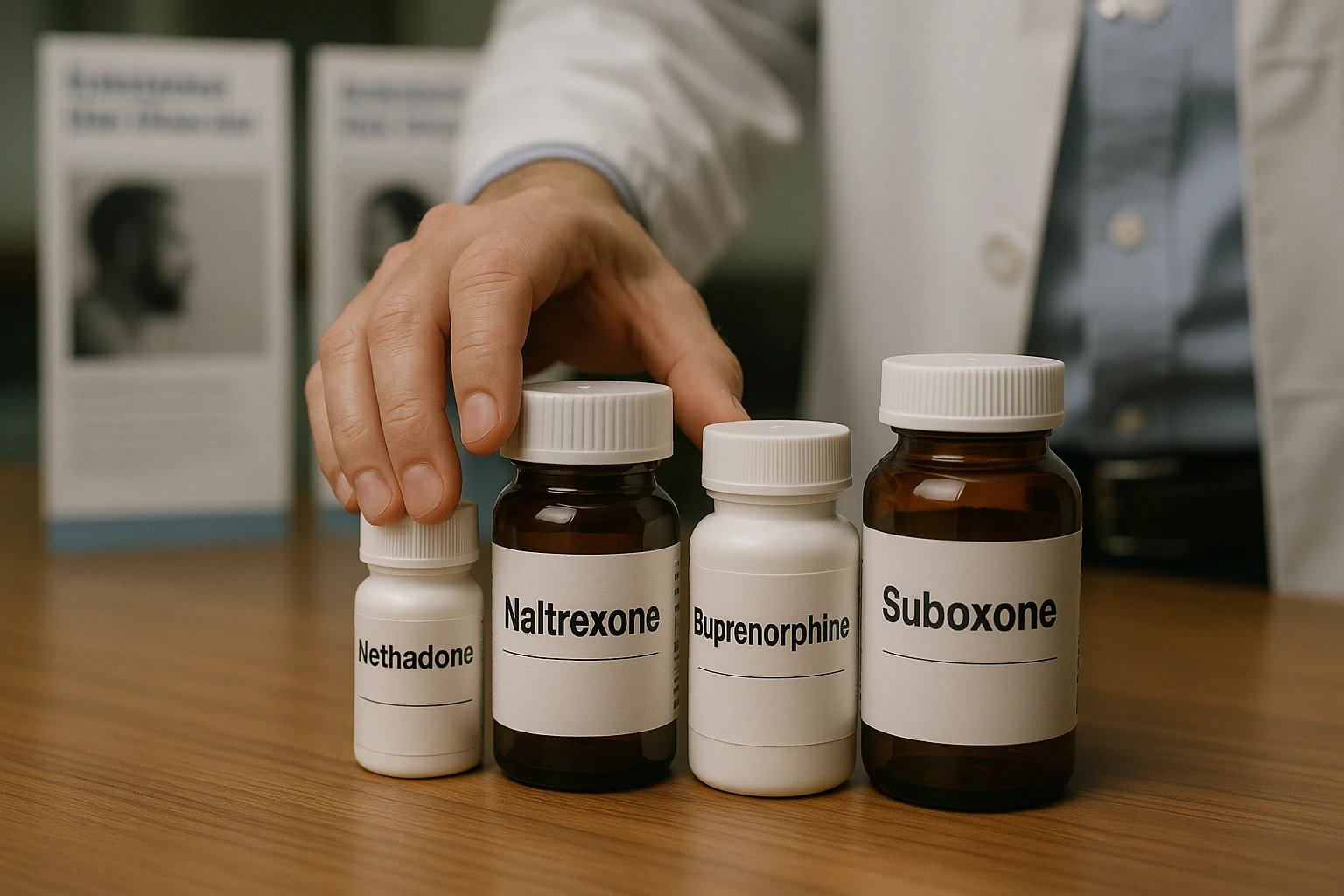
Comparing Treatment Options for Substance Dependency Disorder
Treating substance dependency disorder involves choosing the right medication, which requires understanding each option’s effectiveness, administration, and potential side effects. Among the medications—Methadone, Naltrexone, Buprenorphine, and Suboxone—there are notable distinctions that influence their suitability for different individuals.
Methadone: A Long-Standing Option
Methadone is a well-established medication used in medication-assisted treatment (MAT) for opioid dependency. It works by altering how the brain and nervous system respond to pain, reducing withdrawal symptoms without producing the euphoric high associated with drug abuse. Methadone is typically administered through specialized treatment centers, which can be a hurdle for those without easy access. According to a study published in the Journal of Substance Abuse Treatment, patients on Methadone treatment show significant reductions in illicit opioid use and improved social functioning.
Naltrexone: Blocking the High
Naltrexone differs as it is an opioid antagonist, meaning it blocks the effects of opioids at their receptor sites in the brain. Unlike Methadone and Buprenorphine, it’s non-addictive and is administered either orally or through injections. However, it requires complete detoxification before starting treatment, which can be challenging. The effectiveness of Naltrexone is well-documented, as seen in the American Journal of Psychiatry, which highlights its success in reducing relapse rates when used alongside counseling. For more information on preventive and comprehensive care, MedHaven offers extensive resources through their Preventive Care Glen Burnie page.
Understanding Buprenorphine and Suboxone
A partial opioid agonist, Buprenorphine eases withdrawal symptoms and cravings with a lower risk of dependency compared to Methadone. Available through prescription from certified healthcare providers, it offers more accessibility and flexibility. Suboxone, a combination of Buprenorphine and Naloxone, deters misuse because if injected, it can precipitate withdrawal symptoms. The dual approach of Suboxone reinforces safety and efficacy, proving effective in studies like one from the Journal of Addiction Medicine, which indicates lower relapse rates and better adherence.
When considering which of these medication is best for treating substance dependency disorder: Methodone, Naltrexone, Buprenorphine, or Suboxone, the choice often depends on individual circumstances, access to treatment facilities, and specific health needs. For healthcare providers and patients navigating these options, platforms like MedHaven can provide invaluable guidance and support.
Comparative Effectiveness and Clinical Use Insights
As healthcare professionals and patients ask which of these medication is best for treating substance dependency disorder :Methodone, Naltrexone, Buprenorphine, Suboxone, it’s essential to understand how each medication performs in real-world settings and clinical trials.
Treatment Retention and Long-Term Outcomes
Research indicates that methadone often achieves higher treatment retention compared to buprenorphine/naloxone (Suboxone). One meta-analysis found that although both are effective, methadone outperformed buprenorphine in keeping patients engaged at 3, 6, and 12 months thecarlatreport.com. Similarly, a 2025 prospective cohort study during the fentanyl era reported that patients on methadone were significantly more likely to remain in treatment at 12 months (OR 1.79) than those on buprenorphine-naloxone pubmed.ncbi.nlm.nih.gov.
Reduction in Illicit Use and Co-occurring Conditions
Although retention is critical, another key measure is reduction in illicit opioid use. Buprenorphine exhibits some advantages—particularly for individuals with co-occurring mental health disorders. One study revealed that buprenorphine led to significantly fewer opioid use days than methadone among individuals with mood disorders and those with other mental health diagnoses recoveryanswers.org.
Risk of Overdose and Patient Preferences
Both buprenorphine and extended-release naltrexone are associated with decreased risk of drug-related poisonings among individuals with opioid use disorder, even those with polysubstance involvement. Days covered by buprenorphine were linked to lower odds of poisoning (OR ~0.56), and similar associations were observed for extended-release naltrexone—but not for oral naltrexone pubmed.ncbi.nlm.nih.gov.
Adherence Factors and Treatment Limitations
Counselors report distinct advantages and drawbacks across medications. Methadone and buprenorphine are praised for reducing withdrawal symptoms, criminal opioid use, and overdose risk. In contrast, naltrexone’s extended-release formulation offers convenience and fewer daily interferences. However, counselors note concerns such as long-term dependency, side effects, and adherence difficulties with all three ascpjournal.biomedcentral.com.
Summary and Actionable Insight
For those questioning which of these medication is best for treating substance dependency disorder :Methodone, Naltrexone, Buprenorphine, Suboxone, the choice depends on clinical goals and patient circumstances. Methadone may be preferable when maximizing retention is the priority, whereas buprenorphine may be more effective for reducing illicit use and tailoring care for patients with mental health comorbidities. Extended-release naltrexone can be a viable alternative for individuals seeking less frequent dosing and who can complete detoxification.
- Evaluate individual patient needs—retention vs. relapse prevention vs. convenience
- Consider comorbid conditions: choose buprenorphine for dual diagnosis flexibility
- Check treatment accessibility and patient willingness around daily vs. monthly dosing
By aligning clinical strengths with patient preferences and treatment settings, providers can offer more personalized, effective strategies in managing substance dependency disorders.
Conclusion: Choosing the Optimal Medication for Substance Dependency Disorder
Deciding which medication is best for treating substance dependency disorder requires a nuanced approach. Each of the options—Methadone, Naltrexone, Buprenorphine, and Suboxone—has its unique benefits and considerations. The key lies in aligning the treatment with the patient’s specific needs, medical history, and the substance involved.
Methadone is a well-established choice, particularly effective for individuals with a high dependency level on opioids. Its ability to reduce withdrawal symptoms and cravings makes it a staple in treatment programs. However, it requires careful, ongoing management under medical supervision. Conversely, Naltrexone offers an alternative for those who have successfully detoxed, blocking the euphoric effects of opioids and discouraging relapse through non-addictive properties.
On the other hand, Buprenorphine provides a safer profile, often used for early treatment stages to alleviate symptoms without the high risk of overdose. When combined with Naloxone in Suboxone, it serves to deter misuse while continuing to aid in recovery, presenting a viable long-term solution for many patients. According to a study published by the National Institute on Drug Abuse, Suboxone is especially beneficial due to its ceiling effect, minimizing the risk of misuse (NIDA).
Ultimately, the choice between Methadone, Naltrexone, Buprenorphine, and Suboxone should be guided by a healthcare professional who can consider all variables, including potential side effects and the patient’s commitment to treatment. Personalized treatment plans are crucial, emphasizing comprehensive care alongside pharmacotherapy.
As you navigate these options, it’s vital to engage with trusted medical professionals for guidance. For those seeking a robust support system, consider MedHaven. Their comprehensive resources can provide the necessary support and information to begin a successful recovery journey.
Article Generated by Soogle

CRNP, FNP-BC, MSN is a board-certified Family Nurse Practitioner with 16+ years of experience. She provides personalized, high-quality care in family medicine, preventive health, and chronic disease management at MedHaven Health in Glen Burnie, Maryland. Read More