Skip to content
Introduction
Imagine a simple test with the power to catch precancerous changes before disease progresses—this is the profound impact of routine cervical cancer screening. Many people remain unaware of how routine monitoring transformed public health, contributing to a dramatic decline in cervical cancer rates over past decades. Yet today, new innovations are reshaping access, equity, and adherence to screening guidelines.
Over 13,000 new invasive cervical cancer cases are expected in the U.S. in 2025, with more than 4,300 deaths forecast—highlighting that far too many still fall through the cracks NCI Cervical Cancer Screening data. The widespread adoption of preventive screening methods has been instrumental in reducing both incidence and mortality, underscoring their life-saving potential CDC insights.
Recent shifts in clinical practice reflect a growing emphasis on patient-centered care. The American Cancer Society now endorses self-collection of vaginal samples for human papillomavirus (HPV) testing as a valid alternative for routine screening—allowing individuals to test comfortably in private settings without sacrificing accuracy American Cancer Society guidelines. Similarly, the FDA has approved the first at-home HPV-based screening kit, enabling remote sample collection that performs on par with traditional clinician-obtained specimens Reuters report.
These advancements aim not only to preserve the effectiveness of conventional cytology but also to reduce barriers—such as discomfort, limited clinic access, and socioeconomic disparities—that deter many from following through with in-office exams. By broadening options and improving comfort, emerging strategies seek to close persistent gaps in screening participation.
In this article, you’ll discover how preventive strategies are evolving, what evidence supports these changes, and how individuals, clinicians, and healthcare systems can integrate emerging tools for maximum impact. We’ll explore real-world examples and recommendations that elevate both access and outcomes, starting with the foundations of why these screening advances mean more than just a test—they mean lives saved.
Advances in Accessibility and Self-Collection for Cervical Cancer Screening
Building on our exploration of evolving preventive strategies, it’s essential to recognize how advancements beyond the in-clinic visit are reshaping screening—from boosting patient comfort to addressing long-standing disparities. Self-collected sampling has emerged as a notable innovation, with both the American Cancer Society (ACS) and the U.S. Preventive Services Task Force (USPSTF) expanding their guidelines to include options previously unthinkable.
Transforming Guidelines for Better Reach
A December 2025 update from the American Cancer Society introduced a major shift: while clinician-collected HPV testing remains preferred for individuals aged 25–65, self-collected vaginal specimens are now deemed an acceptable alternative for primary HPV screening—offering flexibility without compromising efficacy. Negative self-collected results warrant a repeat in three years, aligning with screening intervals pressroom.cancer.org. Meanwhile, the USPSTF continues to recommend Pap testing every three years for ages 21–29, transitioning to HPV primary screening every five years for ages 30–65, including self-collection methods proven equally accurate to clinician collection, particularly in promoting screening among underserved groups uspreventiveservicestaskforce.org.
Real-World Adoption and Impact
Self-collection is no longer theoretical—the FDA’s approval of at-home screening tools reflects tangible progress. The Teal Wand, the first FDA-approved device, empowers people to mail in self-collected samples for HPV testing, achieving similar accuracy to traditional methods and rolling out initially in California in mid-2025 reuters.com. In clinical trials, it detected precancerous lesions with 96% effectiveness, while a significant majority of users reported preferring it over in-office exams axios.com.
Equity, Engagement, and Public Health Benefits
Widened access through self-collection isn’t just convenient—it’s crucial. About one in four women in the U.S. aren’t up to date with cervical cancer screening, often due to structural barriers or discomfort with traditional procedures axios.com. By expanding options, health systems and clinicians can reduce gaps in screening among rural, minority, and underinsured populations. Studies indicate that the availability of self-screening markedly increases participation in communities historically less likely to engage with preventive services axios.com. Moreover, global initiatives like WHO’s “90–70–90” strategy reinforce the importance of high-performance screening, including self-sampling, to drastically reduce incidence and inequity in cervical cancer outcomes cdc.gov.
As we transition to broader adoption of home-based options, the focus must remain on ensuring appropriate follow-up for positive results. Together, these innovations represent not just a change in methodology—but a transformation in how accessible and equitable cervical cancer prevention can be.
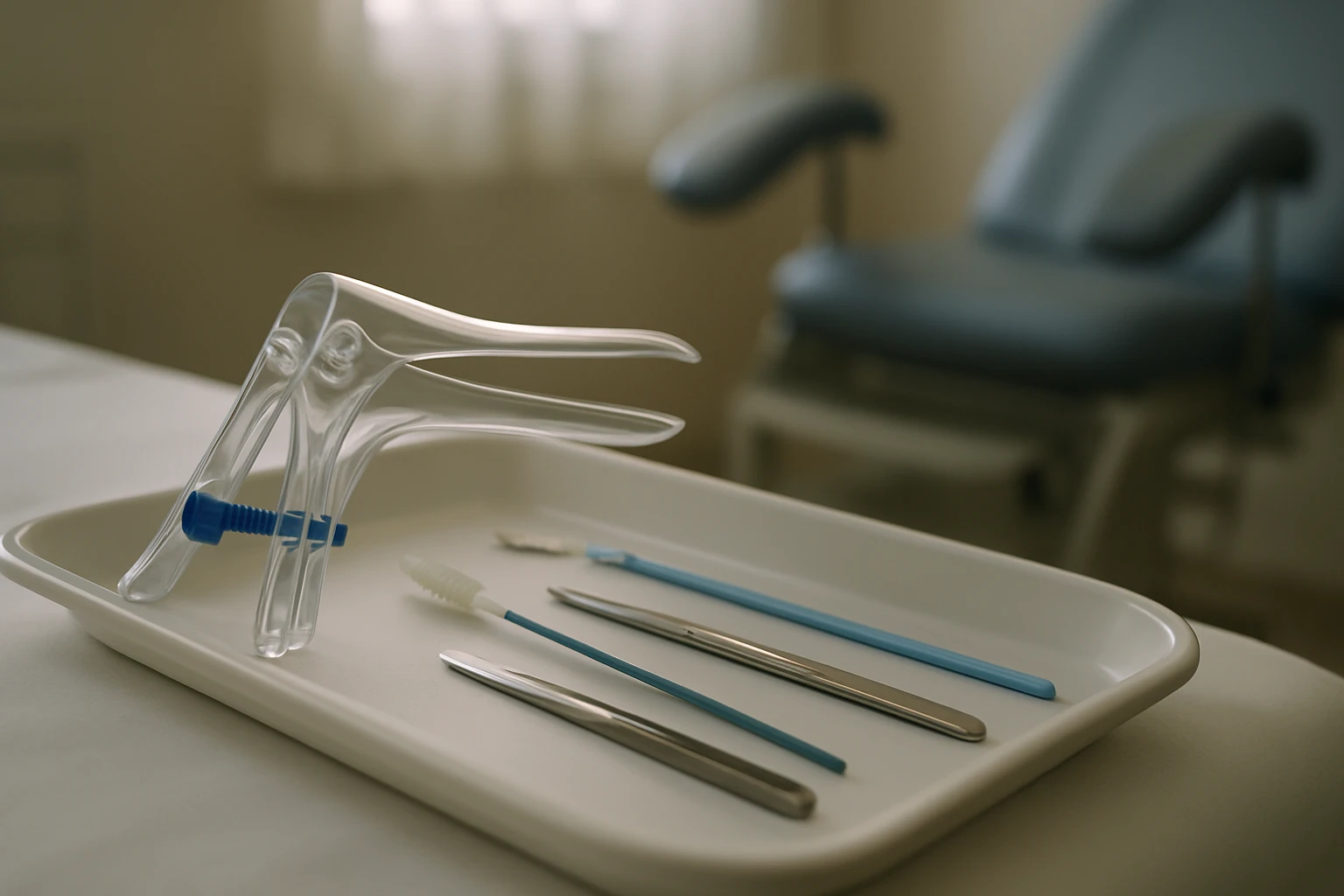
How to Prepare for a Pap Smear
Proper preparation can enhance the comfort and accuracy of a Pap smear. Before scheduling the test, it’s essential to avoid activities that might influence the results. For instance, refrain from using tampons, vaginal creams, or douches at least 48 hours prior to the test. These can obscure cervical cells, leading to inconclusive results. According to experts, sexual intercourse should also be avoided for 24-48 hours before the test to ensure optimal accuracy.
The timing of your test can be critical. Aim to schedule your Pap smear when you are not menstruating. The presence of menstrual blood can sometimes affect the clarity and quality of the sample. The ideal time is about 10-20 days into your menstrual cycle. Researchers from Mayo Clinic suggest working closely with your healthcare provider to determine the most appropriate timing.
Before heading to the appointment, wearing comfortable clothing and taking a few moments to relax can ease the process. If you have specific concerns or questions about the procedure, don’t hesitate to discuss these with your doctor beforehand. Open communication can alleviate anxiety and help you feel more prepared and informed. A healthcare professional can address any apprehensions by explaining each step, ensuring you understand what to expect during and after the test.
It’s crucial to understand the implications of a Pap smear as part of a broader health strategy. Regular screenings are a proactive measure to detect abnormal cervical cells early, before they can develop into something more serious. Data from National Cancer Institute emphasize the effectiveness of Pap smears in reducing cervical cancer rates through early detection. By preparing correctly and engaging in open dialogue with healthcare providers, you play an active role in maintaining your reproductive health.
Enhancing Accessibility and Innovation in Cervical Cancer Screening
Building on the importance of regular screening, recent years have witnessed meaningful advancements aimed at making preventive care more accessible and patient-friendly. Notably, the U.S. Food and Drug Administration (FDA) approved the first at-home cervical cancer screening kit, Teal Wand, which enables self-collection of samples for HPV testing. Clinical trials involving over 600 women found that the accuracy of self-collected samples was comparable to clinician-collected ones, offering a less invasive and more convenient alternative to traditional in-office testing, which includes the well-known pap smear. This innovation is expected to expand access beginning in California, with plans for nationwide rollout and partnerships to ensure insurance coverage and affordability Reuters, Washington Post.
Self-Collection Options and Guideline Updates
Meanwhile, influential health bodies are adapting guidelines to reflect these technological strides. The U.S. Preventive Services Task Force (USPSTF) now supports self-collection of vaginal samples for HPV testing in clinical settings, particularly for women aged 30 to 65. Under these updated guidelines, women in their 20s continue to be encouraged to undergo cytology-based screening every three years, while those 30 and older may opt for HPV testing every five years—either clinician-collected or self-collected—or a combination approach AP News.
Reducing Barriers and Addressing Disparities
These shifts are especially significant in light of persistent screening gaps. Currently, approximately one in four women in the U.S. are not up to date with cervical cancer screening—an alarming statistic given that screening programs have historically led to dramatic reductions in both incidence and mortality when systematically implemented National Cancer Institute, Cancer Trends Progress Report. Self-collection methods can particularly enhance engagement among underserved groups, including those facing logistical, cultural, or economic barriers—a sentiment echoed by UCSF experts advocating for broader adoption to reduce disparities Axios.
Real-World Application and Patient Empowerment
Practically, offering a simple and comfortable option like a self-collection kit can transform patient experience. For example, take a rural patient who historically avoided screenings due to clinic distance or discomfort: having the option to self-collect samples at home—or easily access a kit at a community health center—could significantly increase screening adherence. Moreover, this model may ease provider workload and streamline follow-up care. That said, experts stress that positive results must still trigger timely clinical evaluation to ensure effective treatment.
In sum, the convergence of innovative self-sampling tools and updated screening recommendations exemplifies how public health is evolving to meet patient needs. By embracing these advances, individuals and healthcare systems can work together to enhance preventive care engagement, reduce cervical cancer risks, and promote equitable outcomes.

Conclusion
As this article draws to a close, it’s clear that regular screening strategies — including self-collected options — are instrumental in reducing cervical cancer rates. Historically, widespread use of Pap smear screening in the U.S. has contributed to a significant decrease in both early- and late-stage cervical cancer diagnoses, with an estimated 105,000 to 492,000 cases prevented over the past three decades PubMed study. Beyond reducing incidence, population-based studies in New Mexico revealed that screening every three years can lower the risk of advanced-stage cervical cancer by 83% case-control study.
Although screening protocols are highly effective — reducing cervical cancer mortality by up to 80%, particularly when combined with HPV testing NCI overview — access and adherence remain barriers for many. Innovative approaches, such as Saturday clinics, have increased accessibility and yielded high attendance and abnormal result detection rates access study. Meanwhile, recent updates from the American Cancer Society now accept self-collected HPV testing every three years as an alternative for average-risk individuals, offering flexibility and broadened reach ACS guidelines.
Actionable Insights
- Healthcare systems and advocacy groups should consider implementing extended-hour or weekend screening clinics to reach women facing scheduling challenges.
- Leverage newly available self-collection options for HPV testing to reduce barriers to preventive care, especially among underserved populations.
- Ensure robust follow-up pathways—positive tests, whether from clinician- or self-collected samples, must be linked to timely diagnostic and treatment services to be effective.
Ultimately, the evidence underscores that consistent, well-supported screening not only saves lives but also advances health equity. Whether through traditional in-clinic exams or emerging self-testing models, early detection must remain a healthcare priority. If you haven’t scheduled your next screening—or are unsure of the best option for your situation—consider talking with your healthcare provider today. Prevention starts with action.
Article Generated by Soogle

CRNP, FNP-BC, MSN is a board-certified Family Nurse Practitioner with 16+ years of experience. She provides personalized, high-quality care in family medicine, preventive health, and chronic disease management at MedHaven Health in Glen Burnie, Maryland. Read More