Skip to content
Understanding the Importance of STD Testing
In the ever-evolving landscape of health and wellness, sexual health remains a critical component often overlooked until it becomes unavoidable. While discussions around sexual health have gained momentum, the stigma surrounding topics like STD testing persists, creating barriers to early detection and treatment. Ignoring these essential tests can lead to severe health complications, not just for the individuals directly involved but for broader public health as well.
Consider a scenario where an individual without symptoms unknowingly transmits an infection to a partner. This invisible spread underscores the importance of regular STD testing as a preventive measure. According to the Centers for Disease Control and Prevention (CDC), around 20 million new STD infections occur annually in the United States alone. These startling numbers highlight the need for routine screenings as a key strategy to mitigate the spread of infections and preserve public health. CDC statistics reveal that young people aged 15-24 account for a significant proportion of new infections, underlining the critical role of testing in this demographic.
Comprehensive STD testing is more accessible than ever, with numerous options available to fit different needs and lifestyles. From at-home test kits offering privacy and convenience to in-clinic testing providing immediate professional support, the modern landscape of sexual health care is designed to encourage widespread participation. Despite these advancements, many people are hesitant to undergo testing due to fear, embarrassment, or misinformation. Addressing these concerns with sensitivity and factual information can dramatically increase test participation rates and, consequently, curb the spread of STDs.
An essential step toward improved sexual health is integrating regular testing into one’s healthcare routine. This proactive approach not only aids in early detection and treatment but also empowers individuals to make informed decisions about their sexual health. For those seeking an inclusive health care approach, exploring Preventive Care Glen Burnie can be a valuable resource. Here, individuals can access a range of services designed to support holistic well-being, emphasizing the importance of continual monitoring and education in sexual health.
As society becomes more health-conscious, embracing regular STD testing as part of routine healthcare visits will be crucial. By normalizing these discussions and prioritizing sexual health, we can build a healthier community and reduce the stigma associated with STD testing. As we advance, it’s vital to foster open, informed discussions and provide accessible, non-judgmental resources to encourage proactive health management.
The Importance of STD Testing: A Public Health Perspective
Considering the prevalence of sexually transmitted diseases, regular STD testing emerges as a cornerstone of public health initiatives. It’s essential to understand that early detection of sexually transmitted infections (STIs) can significantly reduce transmission rates and improve health outcomes. According to the Centers for Disease Control and Prevention (CDC), millions of new infections occur annually, emphasizing the crucial role of testing in controlling these numbers.
Why Routine Testing Matters
Routine STD testing is a proactive approach to maintaining individual and community health. Timely tests can detect infections that might not present obvious symptoms. Many STIs, such as chlamydia and gonorrhea, can remain asymptomatic in the early stages, leading individuals to unknowingly spread the infection. Regular testing helps in identifying these hidden infections early, allowing for prompt treatment. Encouragingly, routine STD screenings have been integrated into broader health checks; for instance, some facilities include these tests in annual physical exams, ensuring they are part of a comprehensive healthcare routine.
Data Supporting STD Testing Efficacy
Substantial evidence underscores the efficacy of STD testing in reducing infection rates. A study published in the “Journal of Infectious Diseases” found that regular testing reduced the incidence of certain STIs by over 30%. Additionally, community-based initiatives focusing on easy access to testing reported significant declines in disease transmission. These findings highlight how scalable and accessible testing programs can directly influence public health.
| STI | Annual US Cases (Millions) | Testing Impact (%) | Asymptomatic Cases (%) |
|---|---|---|---|
| Chlamydia | 2.86 | 35% reduction | 50% |
| Gonorrhea | 0.58 | 30% reduction | 70% |
| Syphilis | 0.12 | 15% reduction | 40% |
Accessible and Affordable Testing Options
Access to affordable and confidential STD testing is vital for encouraging individuals to get tested. Many health organizations offer low-cost or free clinics, making it easier for people to get tested without financial strain. According to Planned Parenthood, many of their locations provide accessible STD testing services, removing significant barriers. Emphasizing community health education can further demystify the testing process and encourage more widespread participation.
In sum, the integration of routine STD testing into healthcare systems is a pragmatic and effective measure in building a healthier society. By promoting accessible testing and early detection, communities can work towards reducing the prevalence of STIs significantly, paving the way for healthier futures.

The Importance of Regular STD Testing
Maintaining optimal sexual health involves more than just using protection; regular STD testing is a crucial part of responsible self-care. Testing allows individuals to stay informed about their health status and make informed decisions regarding treatment and prevention. For instance, catching an infection early through std testing can significantly reduce the risk of transmission to others and prevent long-term health complications.
Ensuring Peace of Mind
One of the most compelling reasons for regular testing is the peace of mind it provides. According to the Centers for Disease Control and Prevention, individuals aged 15-24 account for half of all new STD infections, underscoring the need for awareness and proactive management. Regular testing ensures that any potential health issues are identified and addressed promptly. This approach not only aids personal health but also contributes to community health by reducing the overall spread of STDs.
Accessing Resources and Support
Many healthcare providers, such as MedHaven, offer comprehensive solutions to streamline the testing process. These platforms provide not only testing but also access to educational resources and professional support. For those in regions like Glen Burnie, identifying reliable healthcare services is crucial, which is why choosing a primary care doctor in the area could be beneficial. For instance, Choosing a Primary Care Doctor in Glen Burnie ensures that individuals are guided by professionals familiar with the latest in sexual health care.
Addressing Misconceptions
Misconceptions about std testing often deter individuals from seeking the testing they need. Common myths, such as the belief that symptoms will always be apparent, contribute to the spread of infections. In reality, many STDs can be asymptomatic, making testing the only way to confirm one’s health status. Educating the public about these misconceptions is a key factor in promoting regular testing and preventing outbreaks.
The practice of regular STD testing is an integral part of maintaining a healthy lifestyle. By leveraging resources available through healthcare providers and understanding the necessity of testing, individuals can take control of their sexual health, thereby fostering a safer and more informed community.
Benefits of Timely Diagnosis and Action
Reducing HIV Transmission Through Integrated Screening
Treating sexually transmitted infections effectively lowers the likelihood of transmitting HIV. For instance, individuals co-infected with HIV and non-ulcerative STIs—such as chlamydia or gonorrhea—can shed significantly increased quantities of HIV in their genital secretions. Addressing and treating these STIs reduces both infectiousness and shedding, thus limiting onward HIV transmission. One study revealed that treating STIs in HIV-positive individuals led to lower rates of viral shedding and potential reduction in community-level HIV spread. This highlights how proactive screening and treatment of other infections can contribute to broader HIV prevention efforts. (Delaware Division of Public Health – STD/HIV Program)
Behavioral Insights: How Delays Deter Testing
Long wait times can significantly discourage individuals from returning for diagnostics. Research indicates that as the delay to receive an STI test increases—even by a few hours—the likelihood of someone getting tested plummets. This effect is particularly pronounced with infections perceived as less severe, such as chlamydia and gonorrhea, compared to HIV. Proactively reducing wait times—through walk-in clinics, rapid-result services, or at-home options—can meaningfully boost testing participation. (Delay Discounting for HIV/STI Testing – PMC)
Expanding Access via Direct-to-Consumer Innovations
Over-the-counter and at-home testing methods have significantly enhanced accessibility for individuals who might otherwise avoid clinic-based services. These solutions, especially effective among young adults and men who have sex with men, remove barriers related to stigma, scheduling, or geographic isolation. For example, vending machines on campuses and discreet home kits have encouraged first-time users and increased the frequency of testing in hesitant or underserved populations. When paired with digital tools—like tutorials, live chat, or SMS follow-ups—these offerings not only facilitate convenient sampling but also help direct individuals to care when needed. (MDPI – Direct-to-Consumer Testing Review)
Real-World Impact: Community-Level Prevention
Community-wide initiatives focusing on prompt detection and treatment of STIs produce tangible reductions in HIV incidence—especially in areas with high levels of heterosexual transmission. Notably, a trial in rural Tanzania demonstrated a roughly 40% decline in new HIV infections in communities with steady access to STI treatment services, compared to regions with minimal access. This underscores how well-supported testing approaches contribute to public health resilience and contain broader epidemics. (Delaware Division of Public Health – STD/HIV Program)
Synthesizing the Insights
Together, these findings illustrate that improving STD testing—and minimizing unnecessary delays—matters far beyond individual diagnosis. Enhancing access through convenient, stigma-reducing methods, ensuring rapid results, and integrating services in community contexts all contribute to better individual outcomes and stronger public health. Practical steps such as offering walk-in clinic slots, deploying at-home test kits with digital support, and encouraging syndromic and routine screening can transform how people engage with sexual health services, ultimately reducing transmission across populations.
Conclusion: Taking Charge of Your Sexual Health
As we wrap up our exploration of STD testing, it’s essential to underscore the critical role it plays in maintaining your sexual health. Regular testing empowers you with the knowledge to make informed decisions, ensuring you remain proactive about your well-being. Remember, early detection is a cornerstone of effective treatment and prevention of further transmission.
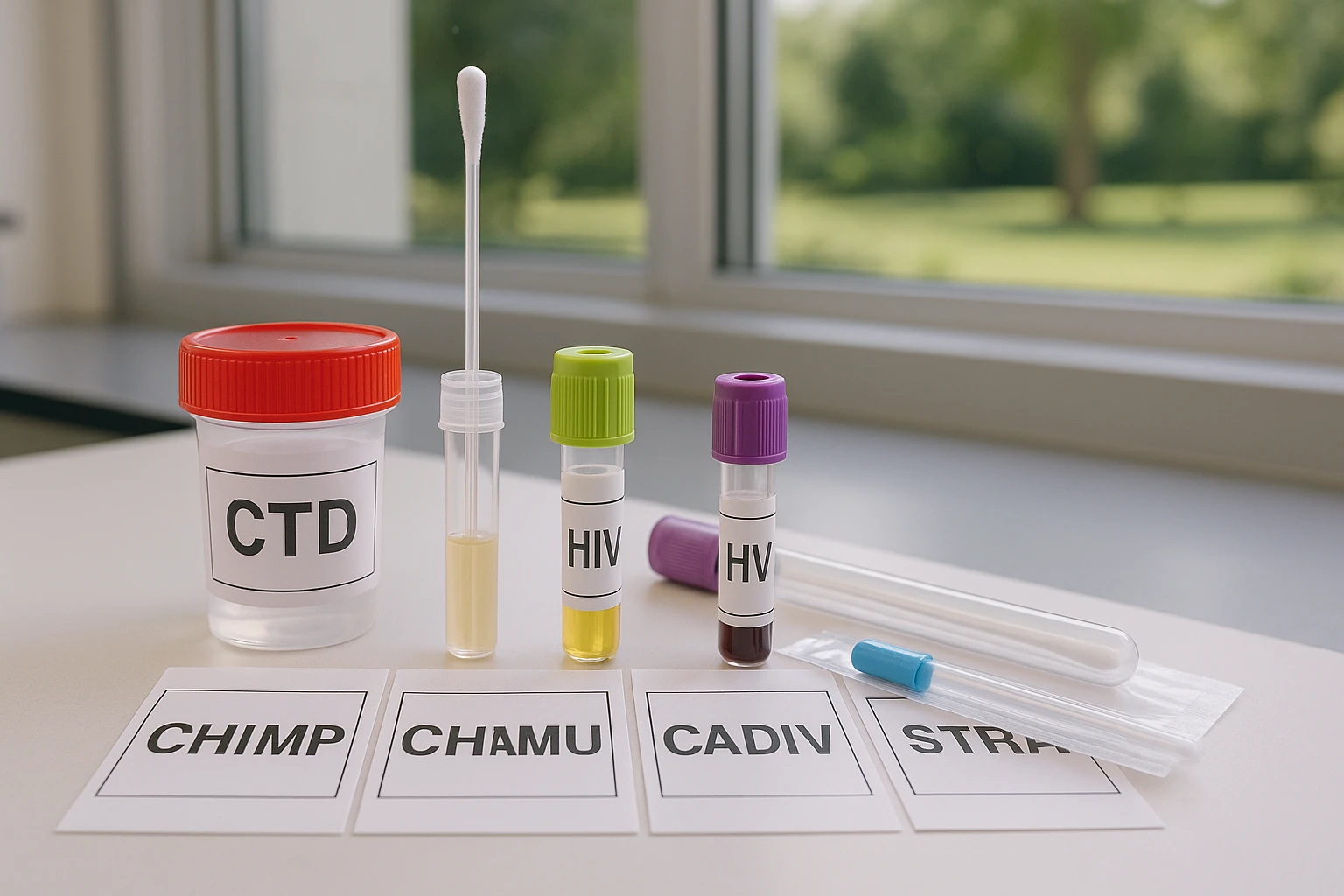
Accessibility to STD testing has significantly improved, with various options to suit different needs and lifestyles. Whether you choose to visit a clinic or opt for at-home testing kits, the key is consistency and accuracy. Embracing these modern methods can alleviate the stigma often associated with sexual health, allowing more people to take control without fear or embarrassment.
According to the Centers for Disease Control and Prevention, early and regular testing is one of the most effective strategies in combating the spread of sexually transmitted diseases by ensuring timely treatment. Additionally, educating yourself and your partners creates a healthy dialogue that encourages responsibility and mutual respect.
As you consider your next steps, consider utilizing the resources and support at MedHaven. Offering comprehensive services, MedHaven provides both information and accessible testing options to guide you through a seamless process. Their expert team is dedicated to making testing a normal and important part of your health routine, helping to reduce the spread of STDs in the community.
In conclusion, prioritizing your sexual health through regular STD testing can not only improve your personal well-being but also contribute significantly to public health. By staying informed and taking action, you play an integral role in creating a healthier future for everyone. Make STD testing a routine aspect of your life, and encourage others to do the same, as this proactive approach is crucial for a prosperous, healthy society.
Article Generated by Soogle

CRNP, FNP-BC, MSN is a board-certified Family Nurse Practitioner with 16+ years of experience. She provides personalized, high-quality care in family medicine, preventive health, and chronic disease management at MedHaven Health in Glen Burnie, Maryland. Read More