Skip to content

Introduction
In an increasingly digital age, where convenience often trumps traditional methods, healthcare platforms like ZocDoc.com have risen to prominence. While they offer a seemingly unparalleled level of ease for patients seeking medical professionals, these platforms also carry unintended ramifications for private health practices. The multifaceted nature of these challenges often goes unnoticed amidst the glossy veneer of digital convenience. This article delves into the negative effects of ZocDoc.com on private health practices, unraveling the complexities that these practices face in the wake of technological disruption.
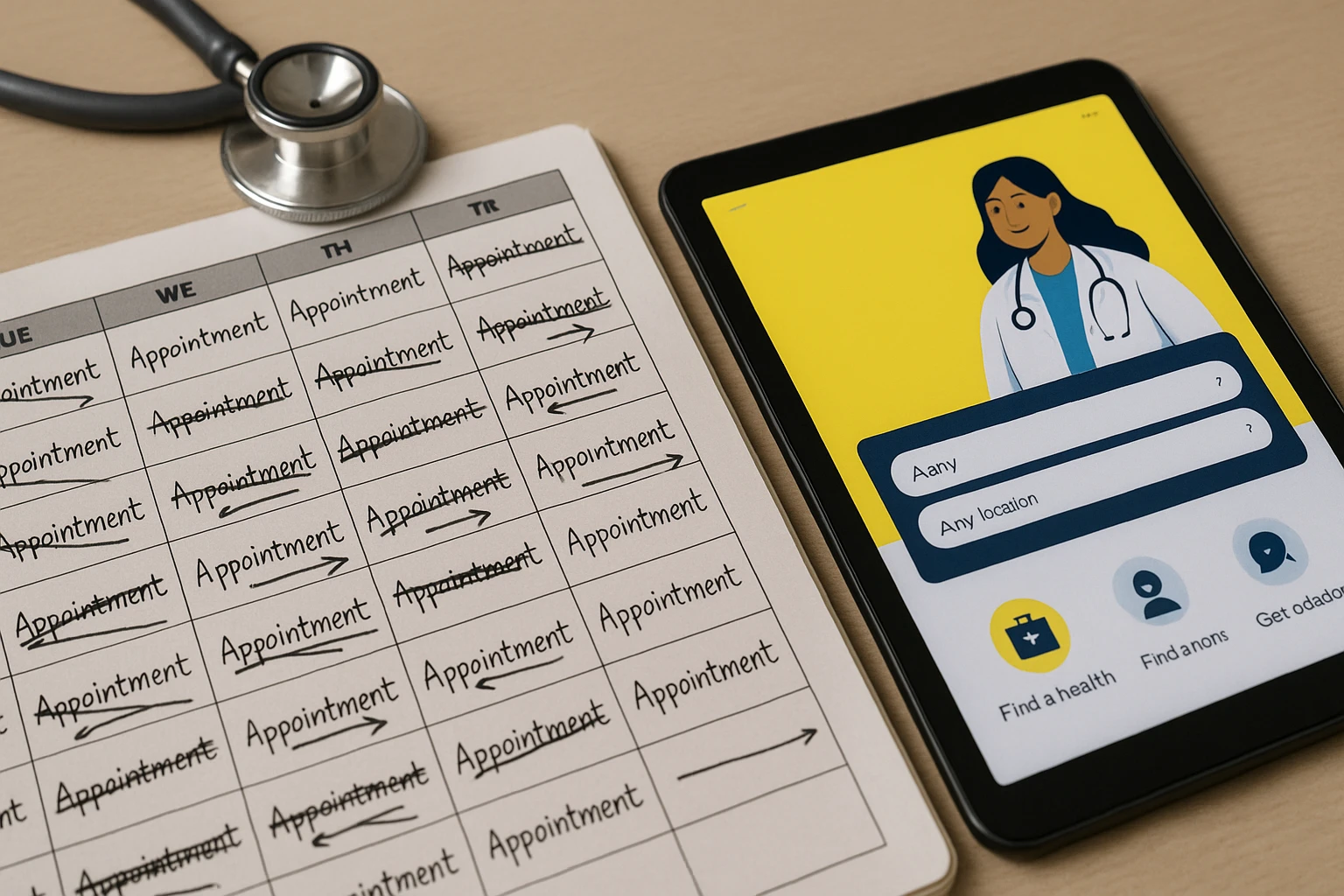
ZocDoc.com is celebrated for its ability to connect patients with healthcare providers in a matter of clicks, promising a streamlined experience and improved access to care. However, for private practices working to maintain patient loyalty and control costs, the platform can introduce several difficult dynamics. One noted issue is the extent of control that practices relinquish over their appointment books. The ease with which patients can book, reschedule, or cancel appointments through ZocDoc can lead to inconsistencies in scheduling, unpredictable patient flows, and ultimately, a potential loss in revenue.
In addition, the fee structure imposed by ZocDoc may not align with the financial sustainability goals of smaller or solo practices. Private healthcare providers face the prospect of paying substantial fees for every new patient introduced by the service, which can eat into already thin profit margins. A compelling case highlighting this issue involved a small dermatology clinic that reported a significant increase in operational costs due to hefty charges levied by the platform, which also posed challenges in redirecting patient funds that could have been invested in enhancing in-house services.
Another significant effect is the commodification of healthcare services, reducing patient choice to a matter of convenience rather than quality. When patients select providers based solely on availability and proximity, private practices may struggle to communicate their unique value propositions. A report by Health Affairs underscores how digital platforms influence patient decision-making, often overshadowing the nuanced care and personal relationships cultivated over years by private practitioners. This shift can lead to a deterioration in patient loyalty, further amplified by the lack of direct interaction that was once a cornerstone of personalized care.
For practices considering ways to mitigate these challenges, it’s crucial to explore strategies that enhance direct patient engagement and improve communication about the unique benefits of personalized care. In this regard, checking out resources on Preventive Care Glen Burnie could offer insights into maintaining robust patient relationships amid a digital transformation. As we dive deeper into this topic, we will examine specific strategies private practices can adopt to not only survive but thrive in the digital era.
Impact on Patient Relationships and Trust
Private health practices often find themselves struggling to maintain direct and meaningful relationships with their patients when utilizing platforms like ZocDoc.com. While these platforms offer convenience and accessibility, they inadvertently create a barrier between healthcare providers and their patients. Patients who book appointments through such services may not fully engage with the practice as they would through direct interactions, potentially eroding the trust foundational to medical care.
An example of this challenge is the lack of personalized communication. ZocDoc.com often centralizes patient interactions, meaning important nuances in patient history or preferences may not be captured during the appointment process. Consequently, it can hinder a practice’s ability to tailor its services to the specific needs of the patient, affecting the quality of care. According to research, personalized healthcare is instrumental in improving patient outcomes and satisfaction (National Library of Medicine).
Economic Pressure and Competitive Disadvantages
Another significant negative effect of ZocDoc.com on private health practices is the financial strain it imposes. The fees charged by such platforms can be substantial, placing small to mid-sized practices at an economic disadvantage compared to larger healthcare networks. A typical ZocDoc fee structure includes a per-appointment charge, which can add up quickly and eat into the margins of private practices. This can lead to increased operational costs, forcing providers to find new revenue streams or cut costs, often impacting patient care and service quality.
In a comprehensive comparison, independent practices typically retain more control over their pricing and service offerings when bookings are handled internally. The table below provides a detailed cost comparison:
| Aspect | Booking via ZocDoc | Direct Booking with Practice |
|---|---|---|
| Appointment Fee | $30 per patient (average) | $0 |
| Patient Retention | 30% lower due to lack of direct engagement | Higher due to personalized care |
| Revenue Margin | Reduced by platform fees | Maximized without third-party costs |
Choosing a viable alternative that supports a practice’s financial health while keeping patient engagement at the forefront is crucial. For insights into how practices can maintain control over patient relationships, the page Choose Primary Care Doctor Glen Burnie offers valuable guidance on fostering strong patient-doctor connections while navigating the digital landscape.

Impact on Productive Relationships Between Doctors and Patients
The introduction of platforms like ZocDoc.com, while beneficial in increasing accessibility, has introduced challenges that affect the relationships doctors build with their patients. One significant concern is the shift in expectations. Patients now often expect quicker response times and more immediate availability, akin to the On-Demand services pioneered by digital platforms. This has inadvertently strained private health practices, which might not have the resources to constantly meet these expectations.
This strain on resources can lead to overworked staff, consequently impacting the quality of care delivered. For instance, a study revealed that 71% of healthcare professionals report feeling burnt out, which directly affects their interactions with patients [source]. In contrast, practices that focus on personalized care over digital convenience, such as Therapy Glen Burnie, can maintain more meaningful doctor-patient relationships. The personalized approach fosters trust and leads to better health outcomes.
Potential Financial Implications
Financially, the negative effects of ZocDoc.com on private health practices are notable. Practices often incur significant costs to maintain visibility on such platforms. This investment in visibility may not always translate to an increase in patient volume, as larger healthcare networks often dominate these platforms due to their higher marketing budgets. For smaller practices, this could mean a dip in their profit margins.
Moreover, ZocDoc.com operates on a fee-per-booking basis, which can accumulate quickly for private practices, particularly if they have no show appointments. According to some healthcare providers, the cost per booking can surpass $300 a month depending on the patient volume engaged through the platform [source]. This can be a heavy financial burden for smaller practices operating on lean budgets.
Maintaining Autonomy and Brand Identity
Finally, the use of ZocDoc.com may dilute the unique brand identity of private practices. By relying on an external platform for patient acquisition, a practice may lose some control over how its services and values are communicated. This concern is particularly relevant for practitioners who deeply invest in a specific brand ethos or personalized service model.
For many health providers, maintaining autonomy over patient interactions is crucial. Hence, exploring alternatives like MedHaven, which enables providers to retain control over scheduling and patient engagement, can be a highly effective approach. With direct management over all processes, practices can sustain their brand identity and ensure consistency in their patient relationships and care delivery.
Operational and Financial Strain from Platform Dependence
While Zocdoc offers convenience, private health practices often find themselves navigating a web of unexpected costs and administrative burdens. Providers report being charged fee—even when patients cancel or don’t show up—sometimes without any flexibility or refund options. This not only leads to wasted marketing spend but also unpredictable budgeting challenges. One therapist shared, “After six months… we have made a whopping total of $250 as a group practice. Barely breaking even! Meanwhile Zocdoc has made thousands from our practice” reddit.com. Another provider noted that even cancellations within 24 hours resulted in fees, adding to the frustration reddit.com.
High No-Show Rates and Costly Consequences
Practices consistently report alarmingly high cancellation and no-show rates, which dramatically undermine ROI. A Texas provider found that the no-show rate neared 49%, meaning their effective cost per actual patient was almost double the booking fee reddit.com. Such inefficiencies force private practitioners to devote more time and resources to chasing attendance rather than delivering care.
Loss of Branding and Patient Continuity
Another significant drawback lies in the erosion of a practice’s brand identity. On Zocdoc, patients engage primarily with the platform—not the provider’s own website. This diminishes a clinic’s ability to showcase its services, build trust, and foster direct patient relationships. Instead, the practice becomes secondary to Zocdoc’s branding and marketing machinery scarletplus.com.
Uneven Value Across Provider Types
The cost-benefit balance varies widely depending on provider demand and location. High-demand specialists might benefit from Zocdoc’s volume, but lower-demand or rural practitioners often struggle to justify the investment. Some eventually exit the platform entirely due to poor ROI or lack of consistent benefit summithealth.io.
Operational Disruptions from Misaligned Patient Expectations
When patients book through Zocdoc, they may arrive expecting services the practice doesn’t offer, or they may be seeking prescriptions inappropriately. This creates scheduling chaos, staff burnout, and dissatisfaction on both ends. As one physician noted, “You’re not building a practice. You’re building their platform” investingdoc.com. Such mismatches further strain the provider’s resources and patient experience.
Actionable Insights
- Track your actual no-show and cancellation rates meticulously; negotiate billing policies with Zocdoc or adjust your availability buffer to reduce non-attendance charges.
- Develop your own SEO-driven patient acquisition strategies—such as optimizing your website and using targeted ads—to regain branding and control over patient flow.
- Use Zocdoc selectively—for visibility or SEO boost—but close new bookings when the platform becomes cost-inefficient, as some practices recommend investingdoc.com.
- Reassess Zocdoc’s ROI regularly, especially if your market or demand changes—pivot to alternatives if costs outweigh benefits.
As private practices continue to weigh the convenience of Zocdoc against the drawbacks of platform reliance, careful monitoring and strategic usage are essential—particularly in light of the negative effects of ZocDoc.com on private health practices.
Conclusion: Moving Forward from the Impact of ZocDoc.com
The analysis of the negative effects of ZocDoc.com on private health practices highlights several critical areas of concern. While ZocDoc has offered convenience and visibility for many providers, its presence also poses significant challenges that cannot be overlooked. Private practices face disruptions in traditional scheduling, increased reliance on patient reviews, and potential dissatisfaction due to increased competition.
To mitigate these issues, private health practices can implement a few strategic actions. First, enhancing patient relationships is crucial. Prioritize personalized care experiences that go beyond generic online interactions. Engaging directly with patients through follow-ups or personalized health plans can foster loyalty and satisfaction. This strategy often leads to positive word-of-mouth, which remains a powerful ally in sustaining a practice.
Second, investing in robust technology that mirrors the convenience ZocDoc provides without the drawbacks can greatly benefit practices. Developing an in-house scheduling system or partnering with local tech firms to build customized solutions can help maintain control over patient interactions and data. By doing so, practices can create a seamless scheduling experience tailored to their unique needs.
Leveraging local and focused marketing efforts can also enhance patient engagement and retention. Documentation of success stories, patient testimonials, and community involvement can distinguish a practice and provide a competitive edge. Building a strong local presence through workshops, health fairs, and community events can also help practices thrive independently of platforms like ZocDoc.
In this evolving digital landscape, it’s important for private practices to be proactive. To help with this transition, consider utilizing resources such as MedHaven for support tailored to private health practices. MedHaven offers comprehensive tools and resources that empower practices to efficiently manage their operations while maintaining high standards of patient care.
In conclusion, while ZocDoc.com presents certain challenges, the path forward involves embracing innovative solutions and reinforcing patient-centered care. These steps will not only help mitigate the current challenges but also position private practices for future growth and success in a competitive healthcare environment.
Article Generated by Soogle

CRNP, FNP-BC, MSN is a board-certified Family Nurse Practitioner with 16+ years of experience. She provides personalized, high-quality care in family medicine, preventive health, and chronic disease management at MedHaven Health in Glen Burnie, Maryland. Read More