Skip to content
Introduction: Unpacking Platform-Induced Patient Behavior Shifts
Imagine a patient eagerly seeking care, only to vanish from the schedule without warning—yet the provider still pays the referral fee. Platforms like Zocdoc boast expedited access, but many practices now ask: is zocdoc contributing to Increased No‑Shows and Reduce Access for Serious Patients through hidden costs and mismatches?
On one hand, Zocdoc highlights dramatic improvements in care access—for example, mental health patients booked via the platform typically wait just 4–6 days for an appointment, compared to the national average wait of 25 days or longer Zocdoc Reports – The Healthcare Experience: 2022 and New York, the Doctor Will See You… When?.
On the other hand, anecdotal evidence from providers paints a stark contrast. Many report no-show and cancellation rates as high as 30–40%, far exceeding the platform’s own claimed no-show rate of 6.9% PatientGain analysis. One therapy group noted that despite best efforts, their no-show rate hovered around 40%, making profitability a shaky prospect when fees apply regardless of attendance provider discussion.
Such disparities spawn a broader concern: serious patients—those with urgent needs or complex conditions—may face diluted access as providers grapple with financial and logistical burdens. When high-quality appointments are consumed by unpaid no-shows or ineligible bookings, capacity for critical cases may shrink. Only the most intentional, committed patients reap the reward, while others may fall through the cracks.
To illustrate, consider a mid-sized mental health practice that transitions to Zocdoc. Initially, it enjoys rapid appointment fills. But after repeated no-shows, they’re forced to tighten scheduling or raise rates, ultimately directing serious patients to other channels or waiting lists. This dynamic not only disrupts access equity but also strains continuity of care.
This article will dive into this tension in five sections—beginning here with the problem’s framing—to provide actionable insights for practices navigating the balance between convenience, cost, and care quality.
Understanding the No-Show Phenomenon in Digital Healthcare
One of the critical issues with platforms like Zocdoc is the potential contribution to increased no-show rates, which can significantly affect access for serious patients in need of timely medical care. No-shows have been a longstanding problem in healthcare, but the convenience of online appointment booking has intensified the issue, making it easier for patients to schedule and cancel appointments without immediate consequences. When these slots go unfilled due to no-shows, it directly impacts patients who may need urgent care but find themselves placed on extended waiting lists.
The Impact of No-Shows on Healthcare Providers
Healthcare providers face financial and operational challenges due to high no-show rates. These missed appointments lead to wasted resources, as practitioners allocate time and space for patients who never arrive. Studies indicate that practices experience a significant revenue loss due to no-shows. According to research by the Annals of Family Medicine, no-show rates can range between 15% and 30%, causing serious disruptions. This inefficiency affects the bottom line, potentially leading to increased costs for patients, including those seeking sports physical exams near me.
Why No-Shows Occur
The reasons behind no-shows are varied, ranging from simple forgetfulness to more complex socioeconomic factors. However, the anonymity and lack of commitment that can accompany digital appointment bookings encourage impulsive scheduling. Without repercussions for non-attendance, patients may not prioritize their booked times, exacerbating the problem. Moreover, there might be a psychological distance created by the technology itself, where patients feel less accountable in digital interactions compared to in-person bookings.
Comparative Analysis of Solutions to Mitigate No-Shows
An effective strategy to manage this issue is the integration of automated reminders and confirmations. The table below highlights different approaches and their effectiveness in reducing no-shows:
| Approach | Description | Effectiveness |
|---|---|---|
| Email Reminders | Sending automated emails 24-48 hours before the appointment | Moderate |
| SMS Notifications | Text reminders, which tend to have higher open rates than email | High |
| Phone Call Confirmations | Personal call to confirm appointments | Very High |
By integrating effective reminder systems and understanding the behavioral dynamics of no-shows, healthcare providers can not only mitigate the issue but also improve appointment adherence. This proactive approach ensures that platforms like Zocdoc do not inadvertently reduce access for serious patients needing care.

Impact of No-Shows on Healthcare Access
The issue of no-shows in healthcare appointments is far from trivial. Unattended appointments not only lead to wasted resources but also reduce availability for patients seeking essential care. Studies have shown that missed appointments can account for a significant portion of scheduling inefficiencies. According to one study, no-show rates in outpatient clinics can reach as high as 30% [source]. This can exacerbate challenges for patients requiring urgent medical attention.
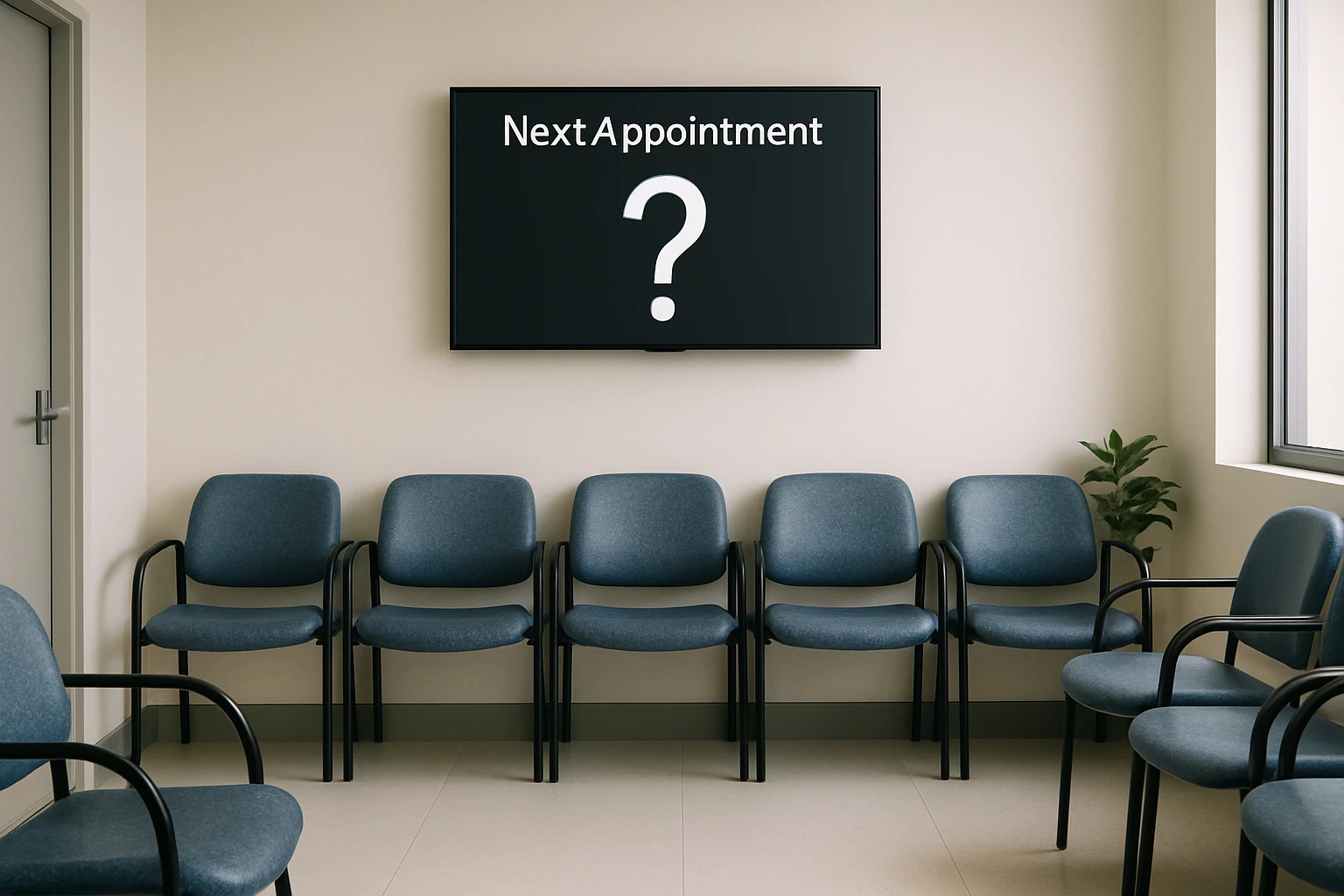
With platforms like Zocdoc, some argue that ease of scheduling might lead to increased no-shows, as individuals may overcommit without considering their availability. This has raised concerns about whether Zocdoc is contributing to increased no-shows and reducing access for serious patients. The convenience of online scheduling, while revolutionary, might inadvertently encourage patients to book multiple appointments without the intent to attend each one, inadvertently blocking slots for others needing immediate care.
Real-World Implications
For healthcare providers, dealing with missed appointments involves not just financial loss but also potential mismanagement of staff and facility resources. Additionally, it can strain relationships with patients who suffer delays and reduced access to necessary care. Using data-driven approaches, some clinics have attempted to mitigate these risks. For example, implementing reminder systems, such as text or email notifications, has shown promise in reducing no-shows by up to 39% [source]. However, the responsibility is shared; patients must also be conscientious about their scheduling practices.
Healthcare providers might look to models like Choose Primary Care Doctor Glen Burnie to optimize appointment management, ensuring that slots are reserved for those with genuine medical needs. These solutions incorporate stringent cancellation policies and patient engagement strategies. Additionally, services similar to MedHaven offer platforms that emphasize tailored care, granting providers the tools needed to reduce inefficiencies and ensure dedicated access for serious patients.
Actionable Insights
To combat the adverse impact of no-shows, it’s crucial for providers to adopt a proactive approach. Utilizing data analytics to predict high-risk no-show appointments can enable better resource allocation. Healthcare facilities should also educate patients on the importance of canceling appointments they cannot attend, ensuring these are promptly reassigned to patients in need. Additionally, offering flexible scheduling and rescheduling options can further minimize barriers to access for all patients.
Financial Strain and Diminished Access: Provider Experiences and Platform Dynamics
Understanding Is zocdoc contributing to Increased No‑Shows and Reduce Access for Serious Patients requires analyzing both quantifiable data and real-world provider feedback. While Zocdoc touts low no‑show rates—such as the 6.9% non‑attendance rate among online bookings versus traditional methods, according to a study published in the Dermatology Online Journal—these figures may not fully capture provider realities where experiences often diverge sharply https://www.zocdoc.com/resources/blog/article/online-appointment-attendance/
Practitioners report deeply concerning no‑show and cancellation rates. One provider noted a nearly 49% no‑show rate over the past year, effectively doubling the per‑patient cost due to Zocdoc’s per‑booking fee structure https://www.reddit.com/r/PrivatePracticeDocs/comments/1l904d0/for_those_that_use_zocdoc_what_is_your_no_show/. Other clinics describe combined cancellation and no‑show rates approaching 40–50%, making profitability elusive https://www.reddit.com/r/therapists/comments/1mcr0nx/warning_to_all_therapists_considering_using_zocdoc/.
These elevated rates not only strain practice finances but can indirectly limit access for patients in urgent need. When providers bear the cost of inactive bookings, they may become more risk‑averse—prioritizing referrals through more reliable channels rather than serving serious patients who might book last‑minute or have higher no‑show risk.
Moreover, user experience issues—such as appointment discrepancies, mismatched specialties, or out‑of‑network surprises—can delay or misdirect patient care. Anecdotal reports indicate about 15% of users face appointment-time mismatches, while 10% are booked with unintended providers, and rural users often see limited relevant options https://www.anecdoteai.com/insights/zocdoc. Such friction further degrades access for those seeking timely, appropriate care.
Given these pressures, practices would benefit from strategic steps to mitigate risk: establishing stricter internal confirmation procedures, leveraging automated reminders beyond Zocdoc’s offerings, and integrating AI‑powered intake tools. For practices aiming to optimize scheduling while safeguarding patient care, exploring alternatives like a self-hosted appointment system paired with tailored automation may be wise.
One promising avenue is exploring secure, guided programs such as Preventive Care Glen Burnie, which emphasize continuity, patient accountability, and targeted outreach—ultimately enhancing care access without relying solely on third-party platforms.
Conclusion: Navigating the Balance of Convenience and Care
In evaluating the concern of “Is zocdoc contributing to Increased No-Shows and Reduce Access for Serious Patients,” it’s crucial to weigh both the advantages and drawbacks of such platforms. While Zocdoc provides undeniable convenience for patients, particularly in urban areas where time is at a premium, this convenience can sometimes come at the cost of reliable appointment attendance. No-shows remain a significant issue, causing inefficiencies that can ripple through healthcare systems already stretched thin.
Actionable strategies are essential to mitigate these challenges. Healthcare providers could implement reminder systems that offer additional contextual information beyond basic notifications. Personalizing communication by using texts or emails that address patients directly and explain the repercussions of no-shows might enhance accountability. Additionally, providers could consider flexible cancellation policies, allowing for easy rescheduling while imposing a fee for late cancellations to discourage neglectful behavior. These measures, when executed effectively, could decrease no-show rates without sacrificing patient access.
For healthcare facilities and practitioners, leveraging technology smartly is more critical than ever. Platforms like Zocdoc need to continuously innovate to provide tools that help manage and predict appointment trends. This might include advanced analytics and AI-driven insights that allow practitioners to plan better and accommodate patients who require immediate attention.
Moreover, creating a community-focused approach to patient engagement could prove beneficial. Understanding specific community needs and tailoring services to meet them can bridge gaps caused by digital interfaces. Encouraging patient feedback through surveys or community forums can also provide valuable data to improve service offerings.
For facilities seeking expert support in addressing these challenges, MedHaven offers comprehensive solutions tailored to healthcare providers. Their approach integrates cutting-edge technology with patient-centric care, ensuring that the balance between accessibility and efficiency is maintained. By adopting these strategies, healthcare providers can optimize their operations and ensure consistent patient access to medical services.
Ultimately, striking a balance between technology’s convenience and the strategic management of healthcare resources is vital. By focusing on these actionable insights and engaging with experts like MedHaven, providers can navigate existing challenges. This prioritizes patient care while maintaining the integrity and efficiency of the healthcare system.
Article Generated by Soogle

CRNP, FNP-BC, MSN is a board-certified Family Nurse Practitioner with 16+ years of experience. She provides personalized, high-quality care in family medicine, preventive health, and chronic disease management at MedHaven Health in Glen Burnie, Maryland. Read More