Skip to content
Understanding the Role of a Doctor’s Office in Modern Healthcare
The fast-paced nature of today’s world often sidelines our health, but the importance of a doctor’s office remains unwavering as a cornerstone of preventive and primary care. Imagine a place where concerns are assessed with utmost professionalism, offering a sanctuary for individuals seeking medical guidance. This crucial setting serves not only as a venue for treatment but also as a proactive model encouraging wellness through regular consultations and health checkups.
Bringing the focus onto primary care providers, a doctor’s office acts as the first point of contact for patients. According to the American Academy of Family Physicians, primary care services reduce the need for more complex and costly specialist and emergency room care. This underscores the pivotal role family doctors play in maintaining an effective healthcare system by diagnosing and managing a wide spectrum of health issues, from seasonal flu to chronic conditions(source).
Preventive Care: A Key Offering
A significant function of the doctor’s office involves delivering preventive care services. These include vaccinations, screenings, and lifestyle counseling, which are essential components of maintaining long-term health. Recent studies have shown that appropriate preventive services can substantially lower morbidity and mortality rates among patients(source). For more information on specific preventive services, such as those available in Glen Burnie, explore Preventive Care Glen Burnie.
Enhancing Patient Experience
Modern technological advancements have transformed the operations within a doctor’s office, enhancing patient experience through electronic health records, telehealth services, and streamlined appointment management. Practices are increasingly adopting patient-centric approaches, aiming to offer not only medical expertise but also empathy and personalized care that respects the unique needs of every individual.
Ultimately, a doctor’s office embodies a commitment to holistic and compassionate healthcare, anchored in the principles of accessibility and patient empowerment. By fostering a trusting relationship between patients and healthcare providers, it plays an indispensable role in the broader healthcare continuum. In the following sections, we delve deeper into how these characteristics contribute to improved health outcomes for the community.
Key Features of a Modern Doctor’s Office
Today’s doctor’s office is evolving to meet the increasingly complex needs of patients. With an emphasis on efficiency and technology, these medical spaces are transforming the patient experience. One of the key features is the integration of electronic health records (EHRs), which enable seamless communication between healthcare providers and patients. This technology not only improves record-keeping accuracy but also allows patients to access their medical histories easily. According to a 2021 study by the Office of the National Coordinator for Health Information Technology, over 80% of office-based physicians have adopted EHR systems, demonstrating the significance of this advancement in healthcare.
Telemedicine: Expanding Accessibility
Another transformational aspect of the modern doctor’s office is the incorporation of telemedicine, providing patients with easier access to medical advice and consultation. Telemedicine services have been shown to increase patient satisfaction, particularly for those in remote areas. During the COVID-19 pandemic, healthcare providers expanded telehealth services rapidly, a move which received overwhelming support from patients seeking convenience and safety. As a result, many practices continue to offer virtual consultations as a standard option. For more on how annual physical exams can be conducted virtually, see Doctors Office Annual Physical Near Me.
Patient-Centric Design
The layout and design of a doctor’s office are critical to ensure patient comfort and operational efficiency. Modern practices often incorporate soothing colors, comfortable seating, and a welcoming environment to reduce patient anxiety. Additionally, some offices feature dedicated spaces for children and areas designed to facilitate privacy during consultations. The integration of such thoughtful interior design elements enhances the overall patient experience, making visits more pleasant and personalized.
| Feature | Benefit | Adoption Percentage |
|---|---|---|
| Electronic Health Records | Improves communication and accuracy | 80%+ |
| Telemedicine | Increases accessibility and convenience | Significant growth since 2020 |
| Patient-Centric Design | Enhances comfort and privacy | Progressively being adopted |
By embracing these key features, the contemporary doctor’s office not only improves operational efficiency but also provides a more personalized and accessible healthcare experience. These improvements illustrate a commitment to patient-centered care, ensuring that healthcare environments continue to evolve alongside technological advancements and patient expectations.
Optimizing Efficiency in a Doctor’s Office
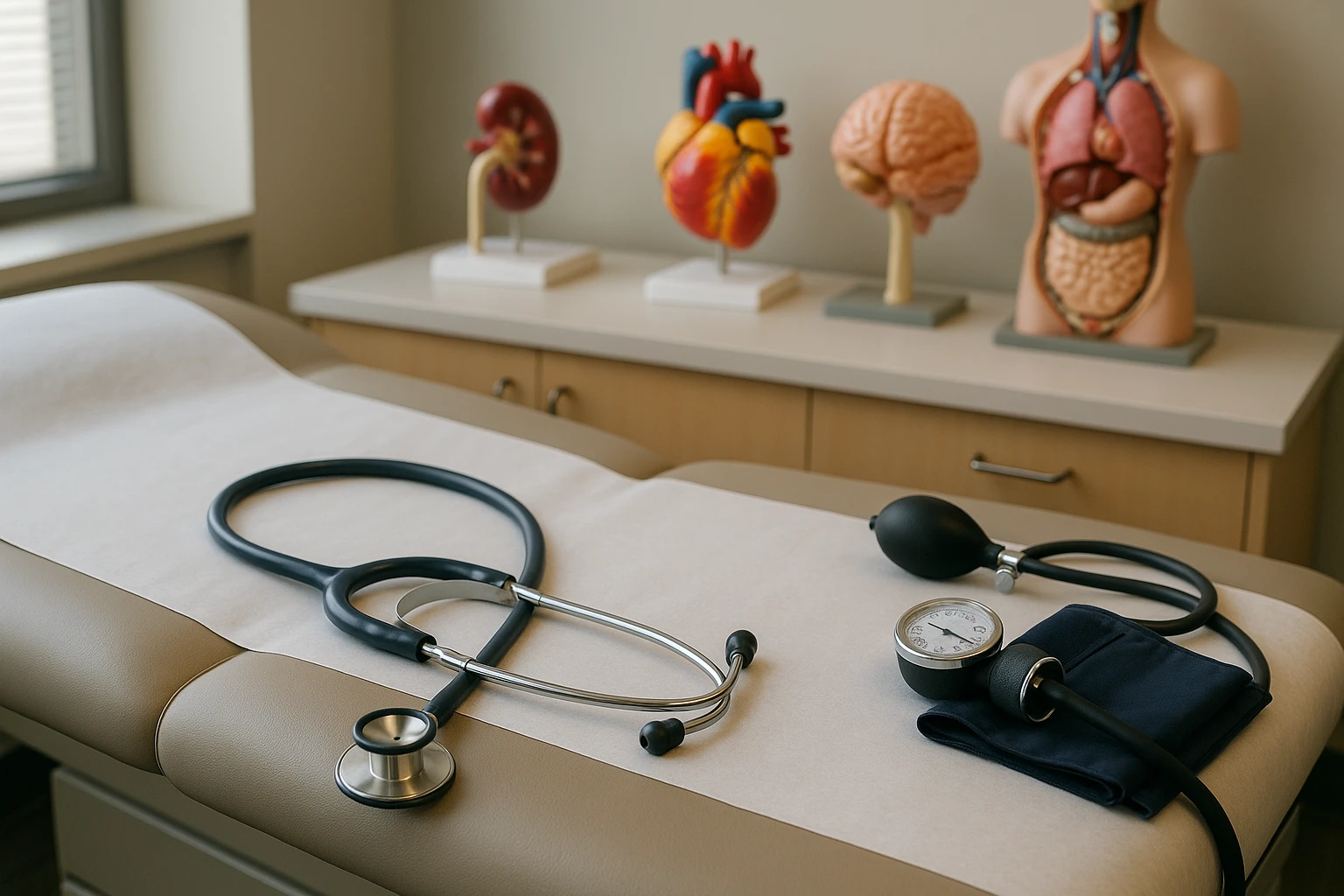
Efficiency is critical in a doctor’s office, where timely and organized operations are vital for both patient satisfaction and effective healthcare delivery. One way to enhance efficiency is through advanced scheduling systems. Implementing electronic health record (EHR) systems can streamline appointment bookings, manage patient information, and reduce paperwork, allowing doctors to focus more time on patient care. According to a study published in the Journal of Health Informatics, practices adopting EHR saw a 17% increase in appointment availability.
Additionally, effective communication tools play a substantial role in the seamless operation of a doctor’s office. Platforms like MedHaven offer integrated solutions that facilitate communication between healthcare providers and patients via secure messaging. This tool is especially beneficial for managing follow-up queries and reducing face-to-face consultations for minor issues, optimizing the use of office time and resources.
Another innovative approach is leveraging telemedicine, which has gained traction, particularly after COVID-19. By incorporating telehealth services into their practice, doctors can offer remote consultations, thus broadening accessibility and convenience for patients unable to visit the office physically. Studies from the National Center for Biotechnology Information highlight that telemedicine can reduce no-show rates by up to 50%, benefiting both healthcare providers and patients through improved service efficiency.
Beyond technology, workflow optimization is essential. Doctors’ offices that employ a team-based model often report higher efficiency levels. By delegating administrative and clinical roles appropriately among medical assistants, nurses, and administrative staff, the doctor’s workload is reduced, allowing them to concentrate on direct patient care. This collaborative approach ensures that each team member functions at the top of their license, further improving operational proficiency.
For doctor’s offices considering strategic improvements, the integration of coaching and mentoring can also enhance overall performance. For those interested, MedHaven offers valuable resources available in their Coaching section, which provides insights and strategies to refine practice management and workflow.
Enhancing Patient Experience in a Doctors Office
When it comes to delivering exceptional care, the patient experience in a doctors office plays a critical role. A welcoming environment can significantly impact patient satisfaction and retention. Considerations such as comfortable seating, easy access to information, and personable interactions with staff each contribute to a positive experience. For instance, a practice might introduce digital check-in systems that streamline the process, reducing wait times and improving efficiency.
Incorporating technology in the practice not only enhances patient experience but also boosts operational efficiency. Electronic Health Records (EHRs) stand as an example, allowing for easier access to patient information and facilitating seamless communication between healthcare providers. According to a HIMSS report, EHRs improve the quality of care by enabling more accurate diagnoses and reducing errors.
Training and Development for Staff
Another cornerstone for improving patient experience is investing in staff training and development. Continuous education and training equip staff with the skills necessary to handle various situations effectively. For example, customer service training for front desk personnel ensures they can manage patient inquiries and complaints with professionalism and empathy. According to the National Library of Medicine, training programs that focus on communication skills and stress management lead to a more supportive and responsive team, directly benefiting the patient experience.
Additionally, regular staff meetings to discuss feedback and share experiences provide opportunities for learning and improvement. These sessions can reveal insights into potential areas for practice enhancements, ultimately leading to more tailored and personal care for patients.
Facility Design and Patient Comfort
The physical design of a doctors office also influences patient perception. A thoughtfully designed space that considers lighting, privacy, and accessibility can significantly enhance comfort. Practices might incorporate soothing colors and decor to create a calming atmosphere. Proper signage to guide patients effortlessly through the facility also adds to a stress-free visit.
Practices focusing on these elements can expect to see improvements not only in patient satisfaction but also in overall health outcomes. Creating an inviting and efficient environment where patients feel valued and understood fosters trust and loyalty, essential components for a thriving healthcare practice.
Conclusion: Transforming the Modern Doctor’s Office
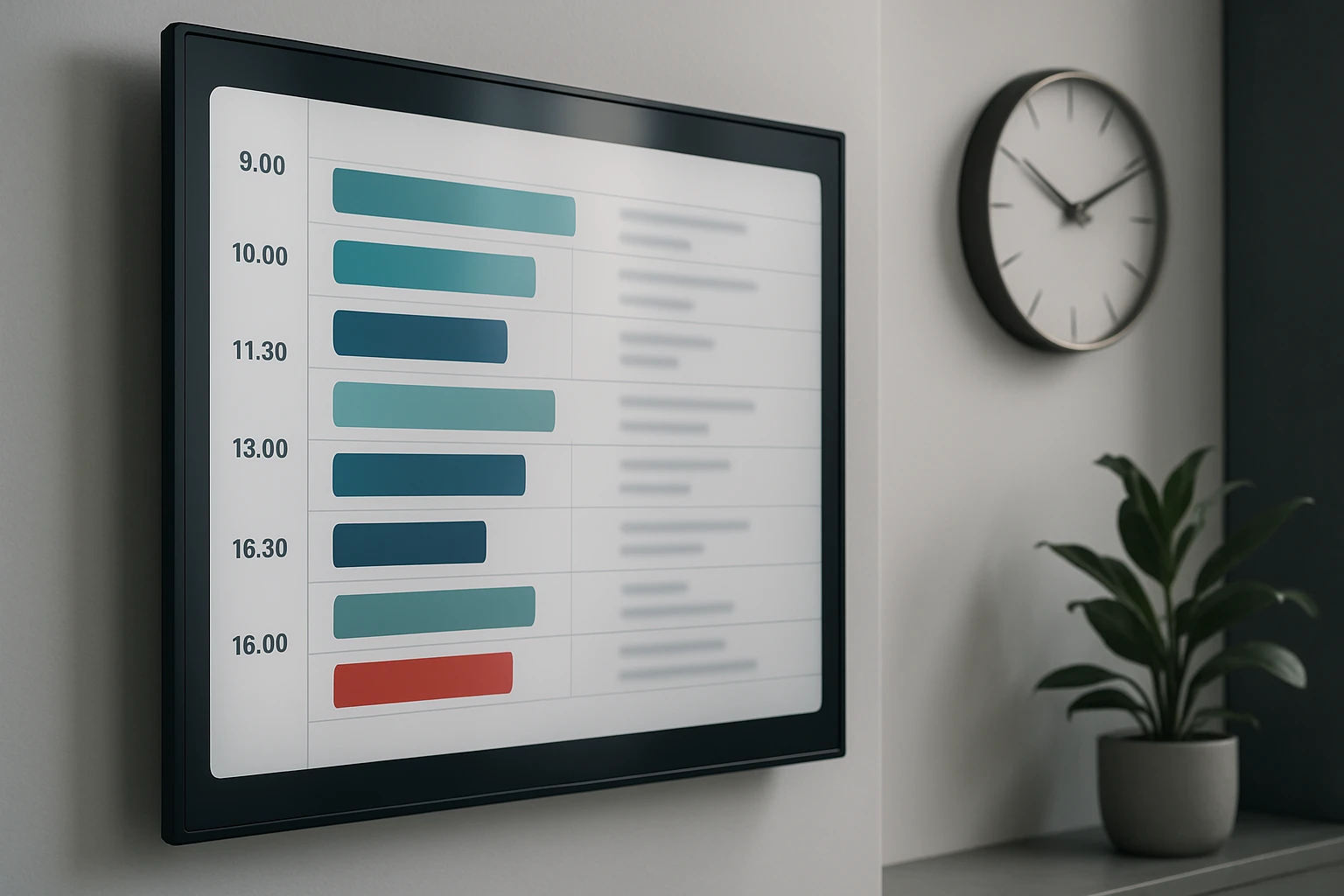
The evolution of the doctor’s office is a testament to the advancements in technology and service delivery. By embracing digital tools and patient-centered design, healthcare facilities can dramatically enhance the patient experience and operational efficiency. From dynamic digital displays that streamline scheduling to modern decor that comforts patients, the impact of these innovations is significant.
Effective implementation of these changes requires more than just technological upgrades. Healthcare administrators should focus on training staff to utilize digital tools effectively. For example, incorporating patient management software can lead to smoother operations, but only if the staff is well-versed in its functionalities. An excellent example would be how some clinics have reported increased patient satisfaction by reducing wait times through better scheduling systems and real-time updates.
Moreover, consistent feedback from patients can provide valuable insights into areas that require improvement. Engaging with patients through surveys or direct communication can help create a more personalized experience. According to a study by Deloitte, patient-centered practices that incorporate feedback mechanisms tend to retain more patients and achieve higher satisfaction scores [source].
For healthcare providers looking to modernize their services, a strategic approach is essential. Evaluate current processes and identify areas that can benefit most from technological enhancement. This could be through advanced scheduling systems, patient communication platforms, or telehealth services. To get started with these strategies, consider using MedHaven for comprehensive support and guidance in implementing cutting-edge solutions tailored to your practice’s needs.
As the landscape of healthcare continues to evolve, the doctor’s office must adapt to meet new expectations and challenges. By integrating technology and prioritizing the patient experience, healthcare providers can not only improve their service quality but also ensure a competitive edge in the ever-changing medical field. Embrace these insights and consider strategic partners to help navigate this transformation smoothly.
Article Generated by Soogle

CRNP, FNP-BC, MSN is a board-certified Family Nurse Practitioner with 16+ years of experience. She provides personalized, high-quality care in family medicine, preventive health, and chronic disease management at MedHaven Health in Glen Burnie, Maryland. Read More