Skip to content
Introduction
Imagine discovering a silent health issue—like early-stage hypertension or elevated cholesterol—before it manifests in symptoms. That’s the power of combining a thorough physical exam with lab diagnostics. In this article, we explore how incorporating lab assessments into your routine checkup elevates the annual physical to a proactive health safeguard.
To begin, a well-rounded visit typically includes checking vital signs, reviewing lifestyle and medical history, and conducting age-appropriate screenings. When paired with targeted blood work—such as a complete blood count, metabolic panel, lipid profile, or HbA1c—it offers a much clearer view of your baseline health webmd.com.
A compelling advantage of this approach is early detection. Nearly half of U.S. adults unknowingly have high blood pressure, a condition that annual labs can catch before complications develop maciemedical.com. In one practical case, a physician identified autoimmune hepatitis in a seemingly healthy individual thanks to routine lab screening, allowing for prompt treatment and improved outcomes reddit.com.
Beyond identifying silent threats, these exams strengthen the doctor–patient relationship. Pre-visit lab work lets clinicians use appointment time to discuss results, lifestyle changes, and preventive strategies rather than waiting for test availability scripps.org. Employers are catching on too—promoting comprehensive annual visits reduces absenteeism and costly emergency care by addressing issues early healthcarebusinesstoday.com.
Moreover, establishing health benchmarks over time is invaluable. By comparing your lab values year over year, your provider can detect subtle yet important shifts—like gradual rises in blood sugar or cholesterol—and intervene proactively rschealth.com. This historical perspective transforms one-off visits into a personalized health trajectory.
In practice, individuals over age 40, those on ongoing medications, or those with a family history of illness gain the most from yearly check-ins, especially when combined with lab work drgooddeed.com. Yet it’s not just older adults—everyone benefits from building awareness and forming health habits early.
Throughout this series, we’ll unpack how to prepare for your visit, choose the right lab tests, interpret results, and work with your provider to craft a personalized wellness plan. By bridging comprehensive exams and lab diagnostics, you’re not just marking a date on the calendar—you’re investing in long-term vitality.
Preparing for Your Annual Physical with Lab Work
As you anticipate your upcoming annual physical with lab work, preparation is crucial to make the most of your appointment. Begin by compiling a comprehensive medical history, including past illnesses, surgeries, and any allergies. This will aid your healthcare provider in tailoring the exam to your individual needs.
It’s equally important to list all medications and supplements you’re currently taking. This includes prescribed drugs, over-the-counter medications, vitamins, and herbal remedies. Comprehensive lists prevent potential interactions during lab analysis and assist in painting a complete picture of your health status. Moreover, jot down any symptoms or changes you’ve noticed in your body, no matter how minor they might seem. This proactive approach ensures you cover all bases during the consultation.
Choosing the Right Lab Tests
Selecting appropriate lab tests is a collaborative effort between you and your healthcare provider. Common tests performed during an annual physical include complete blood count (CBC), lipid profile, and blood glucose levels. These tests provide insight into your overall health, monitoring for conditions like anemia, cholesterol levels, and diabetes risk. According to the American Heart Association, regular cholesterol checks are crucial, with data supporting early intervention reducing long-term cardiovascular risks.
Your healthcare provider might also recommend specific tests based on age, sex, and personal health history. For instance, thyroid function tests or vitamin D levels might be suggested if you’re experiencing fatigue or bone health concerns. Tailoring lab work aligns diagnostic efforts with individual health goals, offering proactive management of potential health issues.
Practical Tips for a Smooth Process
Arriving well-prepared can streamline your annual physical and lab work, ensuring you leave with actionable insights. Fast if required—some tests necessitate abstaining from food or drink. Clarify fasting requirements beforehand to avoid inconclusive results. Dress comfortably, as you may need to provide urine samples or undergo physical assessments during your visit.
Lastly, make notes of any questions you might have about your health or specific tests. Bringing these queries ensures you leave with a thorough understanding of your health status and the steps needed to maintain or improve it. Engaging with your healthcare provider as an active participant in your wellness journey fosters better health outcomes and informed decisions.
Through diligent preparation and informed choices for lab work, your annual physical can transform into a powerful tool for sustaining and enhancing your long-term health journey.
The Importance of Lab Work in an Annual Physical
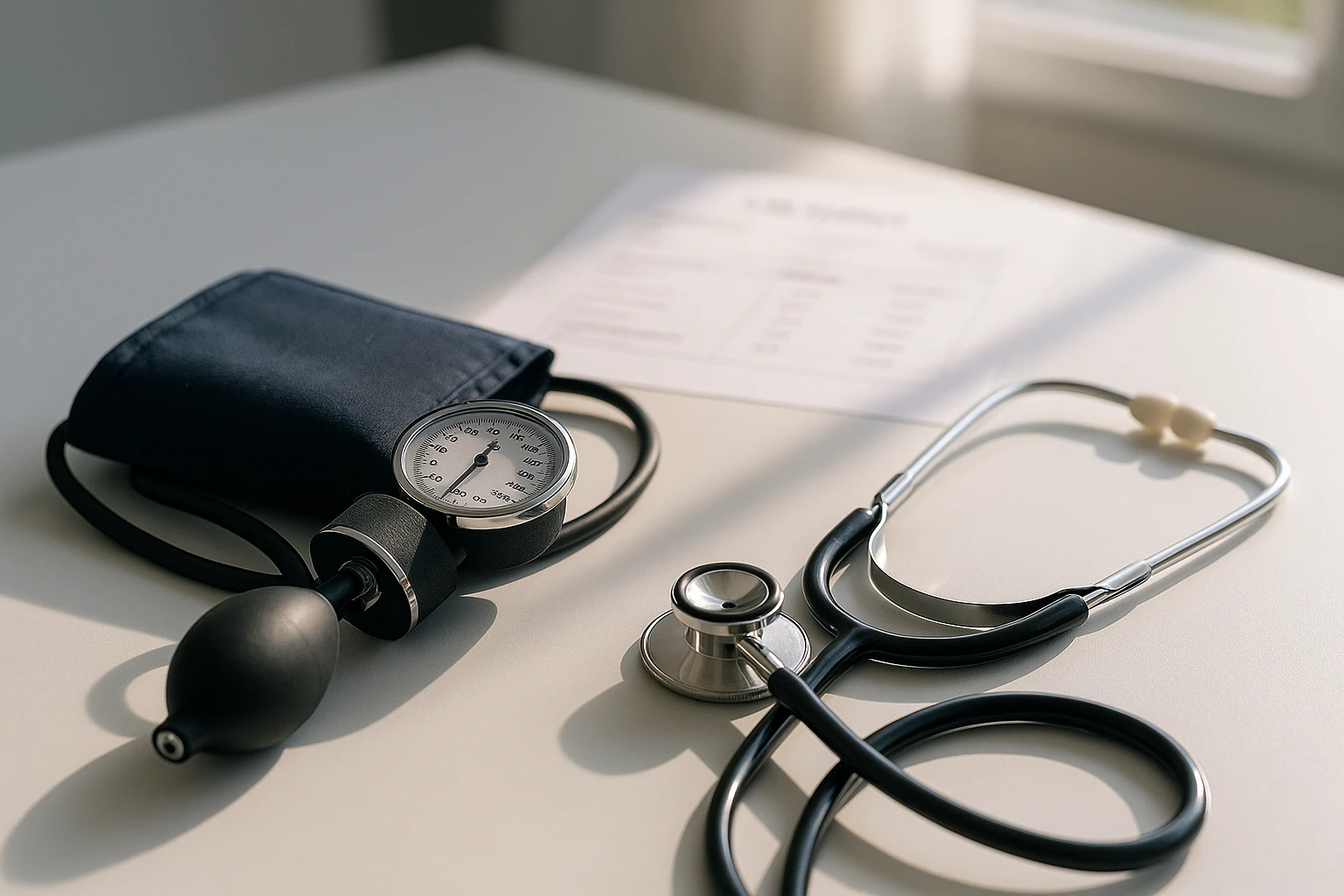
An annual physical with lab work plays a crucial role in maintaining health by providing a comprehensive view of an individual’s overall wellness. While the physical examination helps detect visible signs of health issues, lab work offers an in-depth look at internal functions. For example, a blood test can reveal cholesterol levels, helping to assess cardiovascular risk. According to the Centers for Disease Control and Prevention (CDC), high cholesterol is a significant risk factor for heart disease, affecting nearly 94 million U.S. adults. Early detection can lead to timely lifestyle changes or treatments.
The variety of tests conducted during annual lab work can diagnose or monitor diseases at an early stage, enhancing treatment success rates. Blood tests, urine tests, and other analyses provide insights into conditions such as diabetes, kidney disease, liver issues, and more. These tests highlight any deviations from normal ranges, indicating the necessity for further examination or medical intervention. Early identification of such conditions means better chances of managing them effectively and preventing severe complications.
Revealing Hidden Health Issues
Lab results can sometimes uncover underlying health problems that aren’t apparent during a physical exam. For instance, thyroid function tests can expose disorders like hypothyroidism or hyperthyroidism, which may contribute to unexplained weight changes or fatigue. The ability of lab work to reveal these “silent” conditions is a critical component of an annual physical with lab work, providing a comprehensive assessment that might otherwise be overlooked. This broad-spectrum evaluation is vital for proactive health management.
Moreover, lab work is essential for establishing baseline health metrics. By comparing current results with past ones, physicians can spot trends over time. This ongoing health monitoring approach allows for adjustments in lifestyle or medication even before symptoms appear. Mayo Clinic experts emphasize that these insights enable personalized healthcare strategies that are both preventive and corrective, tailored to each patient’s unique needs.
In summary, incorporating lab work into annual physical examinations provides invaluable data, enabling timely intervention and better health outcomes. By understanding one’s body at a deeper level, individuals can take informed actions to mitigate risks and maintain a healthier lifestyle.
The Role of Technology in Annual Physicals with Lab Work
As technology advances, the way healthcare providers conduct an annual physical with lab work has undergone significant transformation. Modern tools and technologies not only enhance the accuracy and efficiency of tests but also offer patients more control over their health information. One such technological advancement is the use of electronic health records (EHRs). These digital records allow seamless integration and sharing of patient data among healthcare professionals, ensuring that lab results are easily accessible during consultations and subsequent medical evaluations.
Wearable technology plays a crucial role in modern health monitoring as well. Devices like fitness trackers and smartwatches can provide continuous data on vital signs, which can be used to complement traditional lab results. For example, a fitness tracker can monitor heart rate variability, which a healthcare provider could then analyze alongside cholesterol levels obtained during the lab work. This multidimensional approach enables more comprehensive health assessments, empowering doctors and patients alike to take proactive steps in addressing potential health concerns.
Telehealth services have also emerged as a convenient option for receiving results and consultations. According to a report by CDC, telehealth usage spiked during the pandemic and continues to offer significant benefits, such as accessibility for those in remote areas. For instance, a patient can discuss their lab results via a virtual consultation, reducing the need for frequent in-person visits while maintaining continuity of care.
Key Benefits and Future Trends
One of the primary benefits of incorporating technology into an annual physical with lab work is the increased accuracy and speed of diagnostics. Automated lab equipment reduces human error, ensuring that results are reliable and processed quickly. According to a study by Innovation in Aging, advancements in lab automation can decrease processing times significantly, enabling faster clinical decisions.
Looking ahead, the integration of artificial intelligence (AI) in interpreting lab results is poised to revolutionize healthcare. AI algorithms can analyze complex data patterns that might be missed by human eyes, offering predictive insights for early disease detection. For instance, AI can help in identifying markers of chronic diseases like diabetes or cardiovascular conditions well ahead of symptomatic presentations.
In conclusion, technology dramatically enhances the efficacy and scope of annual physicals combined with lab work. As these innovations continue to evolve, they promise not only improved healthcare delivery but also offer patients greater access and understanding of their health, guiding them toward informed lifestyle choices and better health outcomes.
Conclusion: Transforming Health Through Proactive Assessment
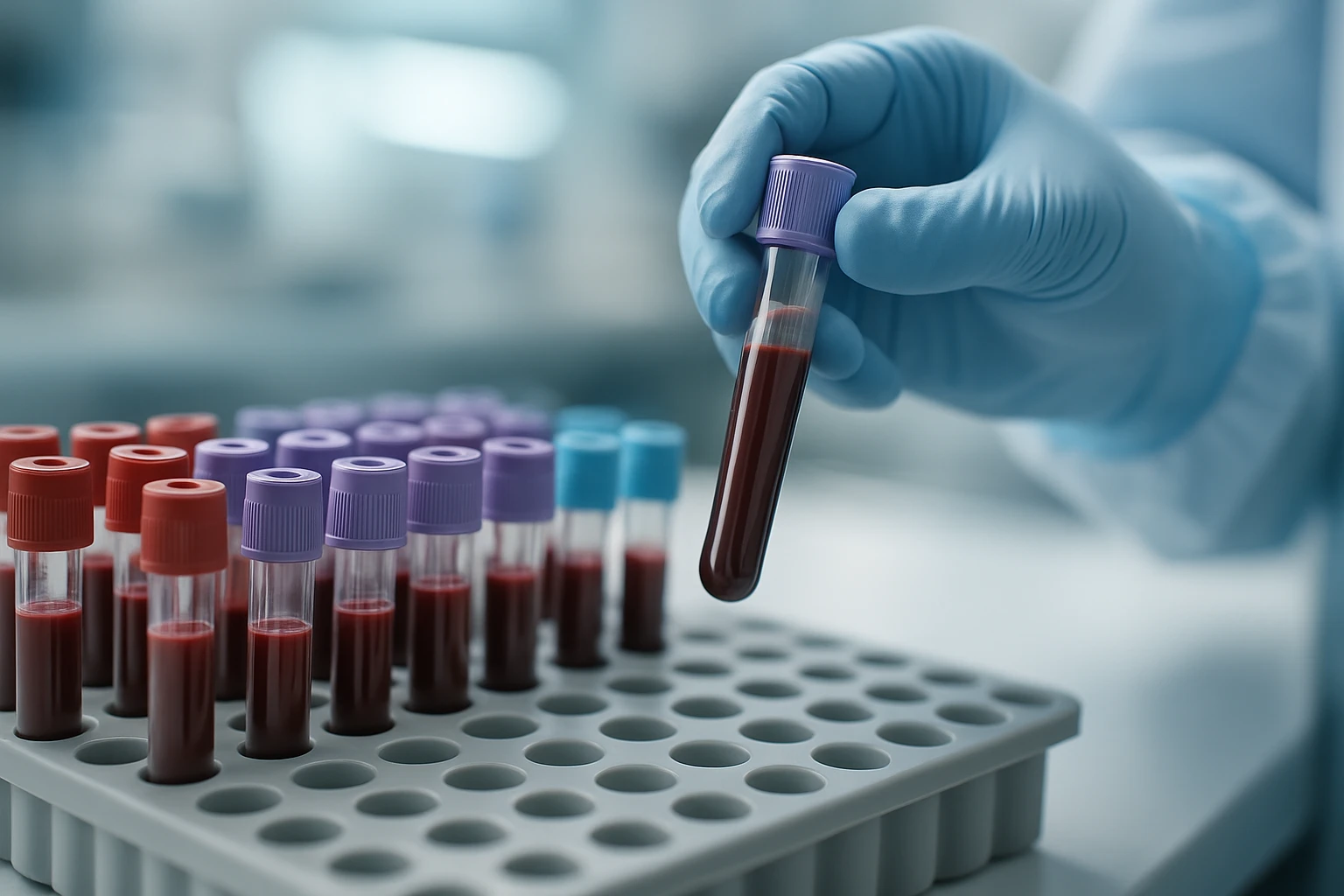
An annual physical with lab work is a vital component of proactive healthcare, equipping you with crucial insights into your overall health and helping catch potential issues before they become significant concerns. This comprehensive approach fosters a deeper understanding of your body and empowers you to take charge of your wellbeing with informed decision-making.
Key Takeaways
The practice of incorporating lab work into annual physicals provides a more complete picture of one’s health. These tests can detect a range of conditions—such as elevated cholesterol, diabetes, or vitamin deficiencies—early on, enabling timely interventions. According to a study from the Journal of the American Medical Association, regular physicals with lab work can reduce hospitalization rates through early detection and management strategies.
Actionable Insights
- Plan ahead: Schedule your annual physical with lab work at a time that allows for any necessary follow-up. Consult your healthcare provider to determine which specific tests are most beneficial for your age, gender, and medical history.
- Use the results: Discuss your lab results with your physician to understand their implications. If abnormalities are found, work with your doctor to create a tailored plan to address these issues.
- Adopt healthier habits: If lab results indicate areas of concern, such as high blood pressure or cholesterol, consider lifestyle changes like diet and exercise adjustments. A CDC report emphasizes the importance of healthy lifestyle changes in managing cholesterol levels, reducing the risk of cardiovascular disease.
Call to Action
Take charge of your health today by scheduling your next annual physical with lab work. This proactive step is not only an investment in your current health but also in your future well-being. Visit your healthcare provider and make these assessments a regular part of your health routine. By doing so, you can ensure a healthier tomorrow and a better quality of life.
Remember, knowledge is power—especially when it comes to your health. Don’t wait until it’s too late; act now and pave the way for a healthier, more informed lifestyle.
Article Generated by Soogle