Skip to content
Introduction
Every year, millions of Americans face the dilemma of needing medical attention without the luxury of scheduling an appointment weeks in advance. Traditional medical appointments can involve delays that span days—or even weeks—especially for new-patient visits; for instance, family medicine appointments averaged 23.5 days in mid‑2025, reflecting a frustrating trend for many seeking timely care MGMA Stat, July 2025.
In this landscape, a walk in clinic offers a compelling alternative by delivering prompt, practical healthcare without the hassle of scheduled visits. Their appeal is clear: studies show that in 2019, nearly 29% of adults used urgent care or retail health clinics—many of which operate on walk‑in models—to address needs ranging from vaccinations to minor illnesses CDC Data Brief No. 409, June 2021. This real‑world preference underscores a shift toward accessible care that fits modern lives.
Major operators like CVS MinuteClinic, Concentra, and Walgreens clinics underscore the widespread adoption of walk‑in services, filling critical gaps with thousands of nationwide locations Wikipedia – Walk‑in clinic. Patients appreciate walk‑in models for their accessibility, extended hours, and often transparent, affordable pricing—especially relevant for routine issues like colds, flu, or basic vaccinations, compared to costlier emergency department visits Mashpee Family Medicine.
Consider the case of commuters who fall ill late in the day: instead of waiting for their primary care provider, they can stop by a nearby walk‑in clinic after work, receive swift treatment, and return home already feeling better. That flexibility is especially critical for families juggling work, school, and other commitments—providing peace of mind without sacrificing productivity.
In the upcoming sections, we’ll explore operational efficiency and patient experience enhancements, including nurse‑practitioner‑led improvements and triage innovations that trim wait times by several minutes—a tangible change for busy patients and clinic flow ScienceDirect, 2025. Through specific examples and actionable insights, this introduction lays the groundwork for understanding why walk‑in clinics are not just convenient—they’re reshaping how individuals access care.
The Value Proposition of Walk-In Clinics
Walk-in clinics provide an invaluable service to patients seeking immediate care without the need for prior appointments. This patient-centered model of healthcare caters to individuals with demanding schedules, providing an opportunity to receive treatment on the spot for non-emergency conditions. The convenience that walk-in clinics offer is unmatched, especially when compared to traditional healthcare settings where scheduling can be a significant barrier.
Accessibility and Convenience
Unlike traditional doctor’s offices that require appointments often booked weeks in advance, walk-in clinics are available for spontaneous medical needs. This model functions especially well in urban areas where busy professionals may have unpredictable schedules. The flexibility to visit a clinic outside regular hours is crucial for those balancing multiple commitments. Moreover, placing these clinics in strategic locations such as shopping centers or near office complexes has made healthcare more accessible, reducing the logistical barriers associated with visiting a traditional doctor’s office.
Diverse Range of Services
Walk-in clinics aren’t limited to treating simple ailments like the common cold. Many offer a variety of services including minor surgical procedures, diagnostic tests, and preventive care. For example, Preventive Care Glen Burnie showcases how these clinics provide vaccinations and health screenings, contributing to overall community wellness. This diverse offering makes walk-in clinics a versatile choice for patients seeking holistic care options outside of the traditional hospital environment.
Cost Efficiency
Cost is a significant factor in healthcare decisions for many individuals. Walk-in clinics typically offer more affordable rates compared to emergency room visits and sometimes even traditional clinics. According to a study by the Urgent Care Association, the average cost of a visit to a walk-in clinic is significantly lower than that to an emergency room UCAOA, 2023. This cost-effectiveness makes them an attractive option for those without insurance or with high out-of-pocket healthcare costs.
| Service Type | Walk-In Clinic Average Cost | Emergency Room Average Cost |
|---|---|---|
| Stitches | $150 | $500 |
| X-Ray | $100 | $300 |
| Flu Shots | $30 | $100 |
Overall, the emergence of walk-in clinics has decisively reshaped the landscape of accessible patient care. By providing affordable, flexible healthcare options, they have become an integral part of how modern healthcare is delivered, offering real and meaningful benefits to patients worldwide.
Services Offered by Walk-In Clinics
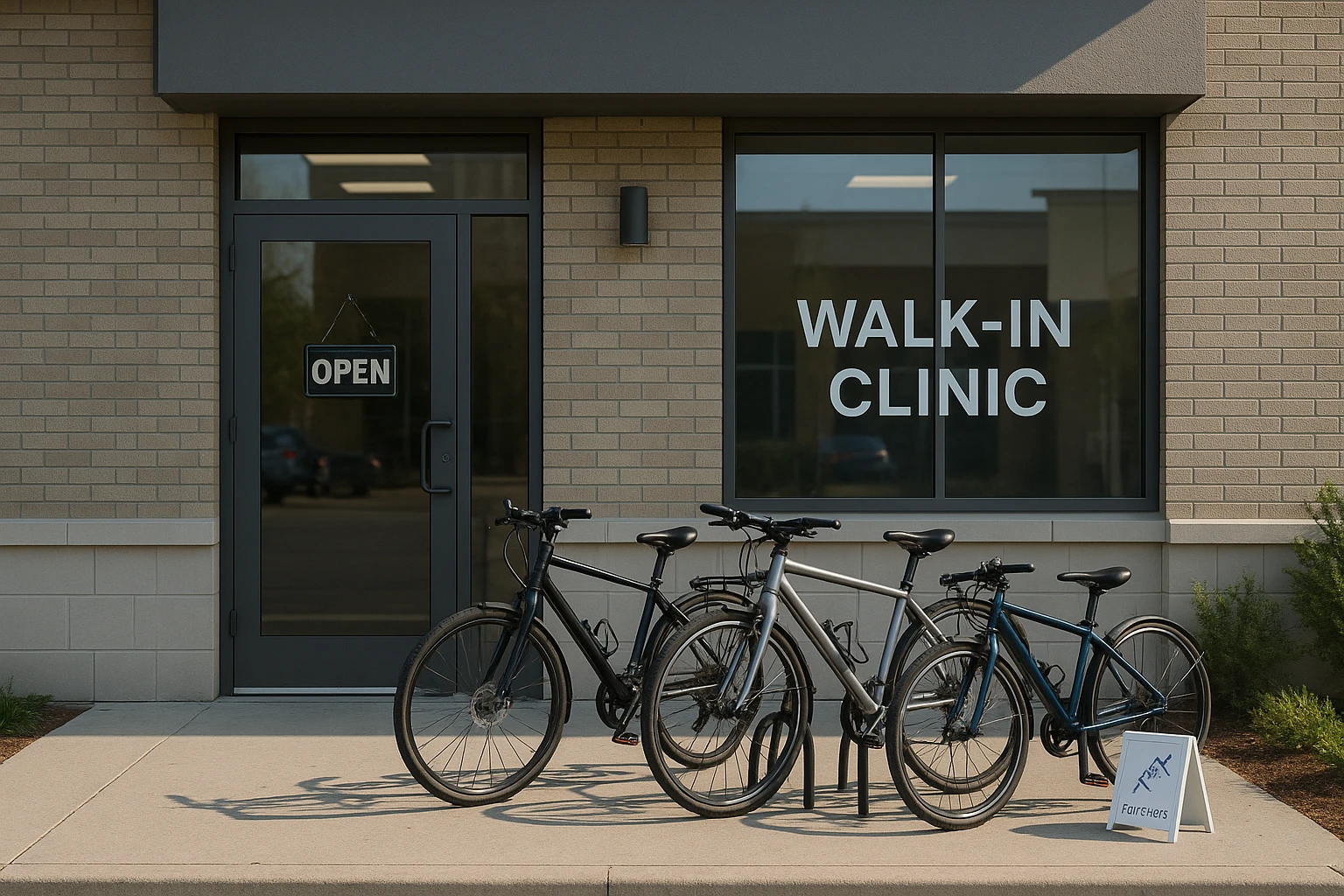
Walk-in clinics have significantly expanded their range of services, catering to a wide array of healthcare needs. These clinics offer a convenient alternative for individuals who need immediate medical attention but do not require the comprehensive facilities of a hospital. One of the primary benefits of using a walk-in clinic is the access to quick, same-day care without the need for an appointment. From managing minor injuries and illnesses to performing routine physicals, these clinics ensure that patients receive timely care.
Diagnostic and Preventive Services
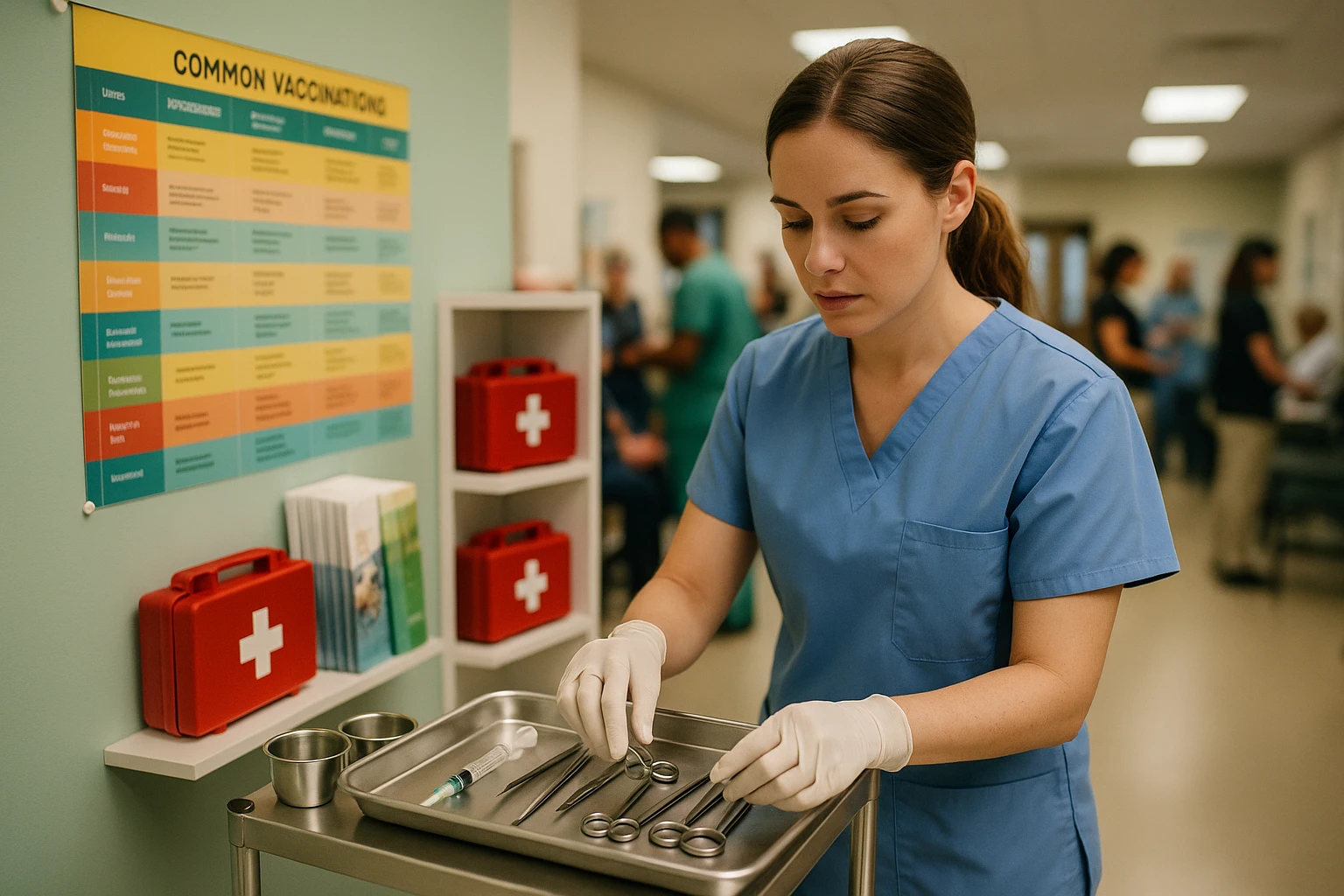
The services available at walk-in clinics often include diagnostic tests such as blood work, urinalysis, and X-rays. These clinics are also equipped to provide essential preventive care services, including vaccinations and screenings, ensuring that patients maintain optimal health. For example, flu shots are commonly available during flu season, helping to protect not only the individual but also the wider community from outbreaks.
Many clinics also offer routine health check-ups, which play a crucial role in the early detection of potential health issues. Walk-in clinics offer these services at a fraction of the cost of a hospital visit, making healthcare more accessible to larger segments of the population. According to a study by the Urgent Care Association, walk-in clinics significantly reduce the burden on emergency rooms by managing non-emergent conditions effectively.
Chronic Condition Management
In addition to urgent care, many walk-in clinics are now offering management programs for chronic conditions such as diabetes, hypertension, and asthma. Patients suffering from these conditions require regular monitoring and timely interventions to manage their health effectively. Walk-in clinics provide a convenient option for these patients to receive consistent care without long waits. For further details on managing chronic conditions, platforms like MedHaven offer valuable resources and support.
Enhanced Access to Healthcare Professionals
Walk-in clinics are often staffed by experienced medical professionals, including physicians, nurse practitioners, and physician assistants, who are adept at providing comprehensive care in a community setting. This diverse team ensures that patients receive a wide range of perspectives and skills during their visit. For instance, choosing a primary care doctor through a reputable service can enhance continuity of care.
Overall, the flexible, patient-centered approach of walk-in clinics exemplifies a modern healthcare solution that meets the demands of today’s fast-paced lifestyle. By offering critical services at convenient times, these clinics are reshaping the healthcare landscape, ensuring that quality medical care is always within reach when needed most.
Improving Operational Efficiency and Cost Effectiveness
Building on the previous emphasis on patient‑centered flexibility, another key advantage lies in enhancing operational flow and managing healthcare costs. A nurse practitioner–led quality improvement initiative at a walk‑in clinic in central Wisconsin showcased how a targeted triage nurse intervention trimmed mean wait times by 2.6 minutes and total encounter times by over 9 minutes—though patient satisfaction remained static, the effort underscored how even modest workflow adjustments can yield tangible efficiency gains https://doi.org/10.1016/j.nurpra.2025.105664.
Expanding beyond the clinic walls, integrating walk‑in services into primary care settings can significantly reduce emergency department (ED) overuse. A study evaluating the implementation of extended walk‑in hours in a family medicine office showed a dramatic cost-effectiveness advantage: low-acuity visits in the ED averaged $437, compared to just $91 in the clinic setting. By treating 2,387 patients in the clinic rather than the ED, the system accrued estimated annual savings of $825,902 https://www.ncbi.nlm.nih.gov/pmc/articles/PMC7955766/.
Real-world operations also reinforce this efficiency. An urgent care center case study revealed that operational refinements—such as direct bedding after registration, assigning a patient flow coordinator, and on-site phlebotomy—cut arrival-to-provider times by 10 minutes and overall length of stay by 30 minutes, all while maintaining patient volume and improving satisfaction https://www.usacs.com/index.php/services/case-studies/urgent-care-operational-improvement.
Actionable Strategies for Clinics
- Implement triage protocols to streamline patient flow, as demonstrated by the NP-led intervention.
- Extend walk-in hours strategically within existing primary care practices to divert low-acuity cases from crowded EDs, enhancing value‑based care.
- Incorporate operational roles like patient flow coordinators and integrate services like phlebotomy to reduce bottlenecks.
By weaving these improvements into everyday practice, clinics not only boost efficiency but also deliver care more cost‑effectively. Furthermore, these measures foster a system where resources are allocated smartly and care is accessible—and delivered—when patients need it most. For clinics aiming to evolve, considering these approaches is crucial.
To explore complementary services such as preventive assessments, you might also find the Doctors Office Annual Physical Near Me page helpful for expanding your clinic’s offerings and supporting continuity of care.
Conclusion
In today’s fast-paced world, walk-in clinics have become an essential aspect of accessible healthcare for many individuals. These clinics offer a convenient option for those in need of quick medical attention without the hassle of scheduling an appointment. By understanding their unique benefits, such as extended hours and a wide range of services, patients can make informed decisions about where to seek care.
An actionable insight for those frequently requiring medical consultation is to maintain an updated medical record that can be easily accessed during visits. This can significantly streamline your experience at a walk-in clinic. Additionally, always verify the services offered at your local clinic to avoid unnecessary trips. For those managing chronic conditions, establishing a good relationship with a specific clinic can lead to more personalized care over time.
Real-world applications abound as many have experienced the efficiency and cost-effectiveness of walk-in services. For example, a recent case study shared by the American Medical Association highlights that patients who used walk-in clinics reported satisfactory care levels, aligning closely with traditional appointments [AMA Study]. This is indicative of the evolving landscape of healthcare accessibility.
As healthcare continues to adapt to patient needs, walk-in clinics are poised to play a more significant role. It is crucial for healthcare seekers to stay informed about their options. Using online resources can aid in determining the best clinics available nearby. Moreover, MedHaven offers a comprehensive platform for exploring healthcare options, making it easier for individuals to find a suitable clinic that fits their needs.
Ultimately, walk-in clinics serve as a critical resource in the healthcare system, offering immediate and affordable care solutions. By incorporating them into your healthcare strategy, you can ensure that you have quick access to medical attention whenever necessary. Take proactive steps today to familiarize yourself with your local clinics and consider integrating MedHaven into your health management plan for a seamless experience that prioritizes your well-being.
Article Generated by Soogle

CRNP, FNP-BC, MSN is a board-certified Family Nurse Practitioner with 16+ years of experience. She provides personalized, high-quality care in family medicine, preventive health, and chronic disease management at MedHaven Health in Glen Burnie, Maryland. Read More