 Skip to content

Understanding STI / STD: Symptoms, Testing, and Treatment
In a world bustled with health information, understanding specific health conditions like sexually transmitted infections (STIs) or sexually transmitted diseases (STDs) becomes crucial. These terms often ignite anxiety in conversations, yet knowledge can transform apprehension into empowerment. STIs and STDs are common, with millions of new cases reported annually around the globe. The Centers for Disease Control and Prevention (CDC) notes that approximately 20 million new STI infections occur each year in the United States alone. Equipping oneself with information about their symptoms, testing, and treatment is vital for maintaining health and making informed decisions.
When we delve into what STIs or STDs encompass, it’s essential to differentiate them from one another. While often used interchangeably, STIs refer to infections that may not show symptoms, whereas STDs are the diseases caused by such infections. For instance, an individual can have an infection without it manifesting into a disease. This distinction emphasizes the importance of regular testing, which can identify an infection early even if there are no visible symptoms. Regular screening is critical; neglecting this can lead to untreated infections that may have serious health repercussions.
STIs and STDs can affect individuals of all ages, backgrounds, and sexual orientations. The symptoms can range from mild irritations to severe health issues. Common symptoms include unusual discharge from sexual organs, painful urination, and sores or bumps around the genitals or mouth. Despite being a sensitive topic, these symptoms should not be ignored. According to a study presented by the World Health Organization, early treatment can significantly decrease complications and transmission rates (World Health Organization).
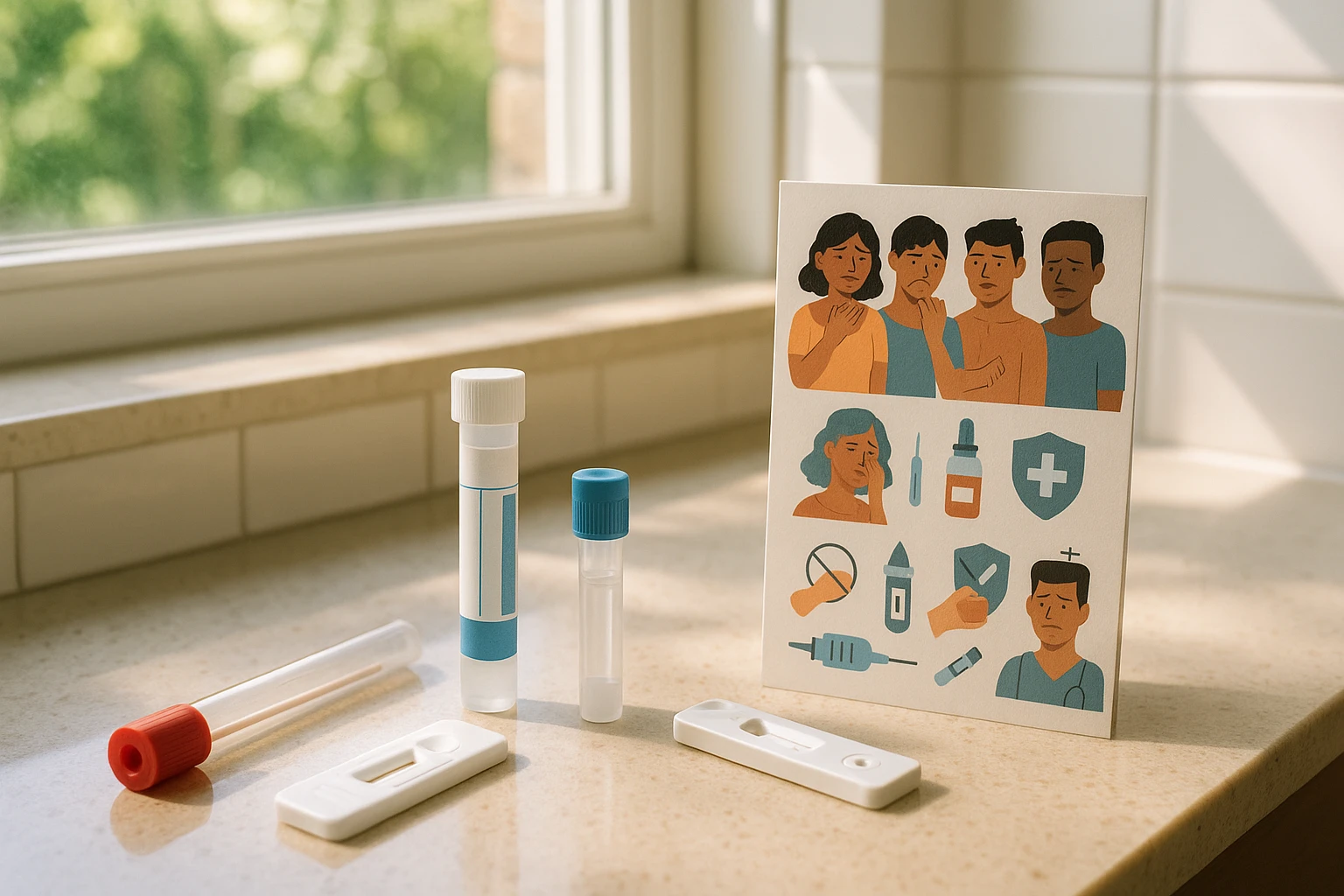
Testing for STIs and STDs is varied, encompassing different methods such as urine tests, blood tests, and swabs. Each method is designed to detect specific infections accurately. Professional healthcare providers can recommend appropriate tests based on the suspected infection. It’s also worth noting the advancements in STI testing, with some home testing kits providing privacy for individuals wary of visiting a clinic. The accuracy and availability of these tests make it simpler for people to maintain their health proactively.
Treatment for STIs and STDs often involves antibiotics or antiviral medications, depending on whether the infection is bacterial or viral. Treatment plans should always be conducted under the guidance of healthcare professionals, as improper use of medications can lead to resistance or incomplete recovery. With correct treatment protocols, most STIs are manageable, if not entirely curable. The public health sector continuously stresses the importance of treatment, not only for personal health but also in preventing the spread to others.
Understanding Symptoms and Effective Testing
Recognizing Subtle and Overt Signs
When STIs go undetected, they can lead to serious health complications. Many infections, such as gonorrhea, chlamydia, and herpes, may present with mild or no symptoms, particularly in early stages. For instance, gonorrhea often affects the urethra, throat, rectum, and eyes, yet remains asymptomatic in many cases—this silent spread underscores why recognizing STI / STD symptoms, testing and treatment becomes critical for timely diagnosis and preventing further transmission Verywell Health – Gonorrhea facts. Conversely, primary and secondary syphilis may cause visible signs like painless sores or rashes—while potentially alarming, they also offer a window for prompt treatment.
Screening Strategies and Real-World Testing Applications
Regular testing remains one of the most powerful tools in STI control. Adolescents and young adults (ages 15–24) continue to account for nearly half of reported cases each year CDC 2023 STI Surveillance. For example, clinics offering express STI services or pharmacy-based testing have enabled faster diagnosis and treatment, especially in underserved areas. A case study from a public health initiative showed that rapid syphilis point-of-care testing—paired with immediate treatment—significantly reduced transmission in a regional outbreak response, demonstrating how integrated testing and treatment strategies can curb spread effectively.
Testing Innovations and At-Home Solutions
Technological advances now allow individuals to take proactive steps through innovations like at-home test kits. The FDA recently approved the first over-the-counter test detecting syphilis antibodies in human blood—this kind of self-screening can overcome stigma and access barriers that often deter people from seeking clinical services Reuters – at-home test approval. Coupled with routine clinic-based screening for asymptomatic infections, it creates a layered defense system that can catch infections early and initiate timely responses.
Early Detection Fuels Effective Care
Empowering individuals with information about asymptomatic and symptomatic STI presentations encourages timely testing and treatment. Clinics that integrate rapid testing options—via express, pharmacy, or at-home platforms—have seen higher uptake in testing among high-risk groups. As we move forward, combining public awareness, accessible testing, and quicker results will help ensure more people receive treatment earlier, reducing the personal and public health burden of STIs.
Testing Strategies and Early Detection
Identifying infections early is crucial for effective management of STI / STD symptoms, testing and treatment, yet many cases remain undiagnosed due to asymptomatic presentations. For instance, the CDC estimates that about one in five people in the U.S. had an STI on any given day in 2018, highlighting the widespread, often hidden, nature of these infections CDC prevalence data. Routine screening, particularly for chlamydia and gonorrhea, is essential—especially among sexually active individuals under 25, as nearly half of reported cases in 2023 occurred in those aged 15–24 years CDC 2023 surveillance.
At-Home Testing and Accessibility
Increased availability of at-home test kits has enhanced accessibility to testing. The FDA has recently authorized self-tests for syphilis, gonorrhea, and chlamydia, which allow individuals to collect samples in private and send them to laboratories—reducing stigma and logistical barriers CDC announcement on self-tests. Such developments are particularly impactful in underserved communities that historically face limited access to clinics and sexual health services.
Partner Notification and Reinfection Prevention
Beyond testing the patient, ensuring partners are treated is a proven strategy for preventing reinfections. A modeling study showed that without treatment of a current partner, reinfection probabilities were approximately 19.4% for chlamydia and 12.5% for gonorrhea. However, if partners receive treatment within three days, the rates drop dramatically to 4.2% and 5.5%, respectively mathematical modeling study. These figures underscore the importance of rapid partner treatment protocols and the promise of innovative approaches like expedited partner therapy.
Bridging testing and treatment through accessible tools, rapid partner intervention, and targeted screening offers a multi-faceted strategy to curb the spread of STIs. Combined with public health messaging and accessible care, these tactics significantly enhance early detection and reduce health risks associated with untreated infections.
The Role of Education and Awareness in Combating STIs
Effective education and awareness campaigns play a critical role in combating the spread of sexually transmitted infections (STIs). These initiatives not only inform individuals about STI / STD symptoms, testing, and treatment, but also dismantle the stigma associated with these infections. Bridging the knowledge gap is key, as many individuals may not even recognize common symptoms such as unusual discharge, sores, or itching. According to a study from the Centers for Disease Control and Prevention (CDC), approximately one in five people in the U.S. has an STI, underscoring the need for increased public knowledge.
School-Based Sex Education Programs
Implementing comprehensive sex education in schools is crucial for early intervention. Programs focusing on STI prevention and awareness can significantly reduce the incidence of infections among young people. Case studies have shown that curricula covering STI / STD symptoms, testing, and treatment can lead to more informed decisions regarding safe sex practices. Educational strategies that include interactive activities, real-life scenarios, and open discussions are particularly effective in engaging students and encouraging responsible behaviors.
Community Outreach Initiatives
Community outreach programs serve as another pivotal component in spreading awareness about STIs. Local health departments often collaborate with community leaders to provide workshops, free testing events, and informational seminars. These initiatives aim to reach diverse populations, especially in underserved areas. For instance, a successful outreach program in San Francisco led to a 20% increase in testing rates among high-risk groups, as reported by SF HIV Foundation.
The Power of Digital Media Campaigns
In today’s digital age, social media and online platforms offer powerful tools for raising STI awareness. Campaigns utilizing these platforms can reach a broad audience swiftly and effectively. By leveraging influencers and targeted ads, health organizations can address myths, promote safe practices, and provide resources for testing and treatment. Studies have found that these campaigns can increase public engagement and accessibility to vital information, potentially leading to higher rates of early detection and treatment.
Together, education and awareness efforts provide a multifaceted approach that empowers individuals to make informed health choices. By continuously refining these initiatives to adapt to cultural and technological shifts, we can enhance their impact and further diminish the stigma surrounding STIs.

Conclusion: Navigating STI and STD Health
Understanding STI / STD symptoms, testing and treatment is crucial for maintaining both personal and public health. STIs and STDs are prevalent, yet with proper testing and treatment, they can be managed effectively, reducing potential health complications. Knowledge empowers individuals to take proactive steps toward health and well-being.
Takeaways for an Informed Health Journey
It is vital to recognize early symptoms such as unusual discharges, pain during urination, or rashes to seek timely medical advice. While such symptoms may sometimes be mild or nonexistent, regular screening is the best line of defense. Health organizations like the CDC recommend regular testing for sexually active individuals. According to CDC guidelines, yearly screening is crucial for certain groups, including women under 25 and men who have sex with men.
Actionable Insights for Better Health
Education is key to prevention. Engaging in safe sexual practices like using condoms and having open dialogues with partners about sexual history and STI testing can significantly reduce risks. Vaccines are also available for certain infections, like HPV, which highlights the importance of discussing vaccination options with healthcare providers.
A Strong Call to Action
Taking control of your sexual health starts with you. Schedule regular check-ups and screenings, even if you feel well. If you suspect exposure to an STI or have symptoms, seek medical advice immediately. Many clinics and health centers offer confidential and often free testing services, ensuring accessibility for all. For further information on STI prevention and management, visit trusted health resources such as Mayo Clinic and Planned Parenthood.
Remember, being informed and proactive about STI / STD symptoms, testing and treatment not only protects your health but also contributes to the well-being of the community. Armed with the right information and tools, you can make a significant difference in your health journey.
Article Generated by Soogle

CRNP, FNP-BC, MSN is a board-certified Family Nurse Practitioner with 16+ years of experience. She provides personalized, high-quality care in family medicine, preventive health, and chronic disease management at MedHaven Health in Glen Burnie, Maryland. Read More

