Skip to content
Understanding the Best Time for IUD Insertion
The decision to opt for an intrauterine device (IUD) as a form of birth control is a significant one, offering a long-term, reliable solution. However, determining the ideal moment for insertion can make a considerable difference in terms of comfort, effectiveness, and convenience. It’s crucial to consider both medical advice and personal circumstances, allowing for an informed decision that supports overall health and lifestyle.
The Importance of Timing
Selecting the best time for IUD insertion isn’t just about scheduling an appointment; it requires an understanding of the body’s natural rhythms and medical recommendations. For many, scheduling the procedure during the menstrual cycle is preferred. According to health experts, during menstruation, a woman’s cervix is naturally more open, potentially easing the insertion process and reducing discomfort. Moreover, this timing can immediately confirm the absence of pregnancy.
Medical Insights and Recommendations
Medical professionals often suggest the insertion of an IUD either during or immediately after a menstrual period. One study reported that this timing could help minimize pain and reduce the likelihood of complications (American College of Obstetricians and Gynecologists). However, individual health conditions, such as a history of pelvic inflammatory disease or current infections, can influence the appropriate timing, and thus, a thorough consultation with a healthcare provider is essential.
Real-World Applications
The best time for IUD insertion is not exclusively tied to medical insights; personal and lifestyle factors also play a significant role. For example, a woman planning an extensive change in schedule, like travel or a new job, might prefer to have the procedure done at a time when she can afford a few days of recovery without pressure. Moreover, those using an IUD post-childbirth may find benefits in waiting until six weeks postpartum. If you’re considering an IUD, you might want to explore a tailored preventive care plan to suit your health needs, like the services offered at Preventive Care Glen Burnie.
Understanding the Best Time for IUD Insertion
Choosing the optimal time for IUD insertion can significantly impact comfort and effectiveness. Physicians often recommend scheduling the procedure during your menstrual cycle. This timing ensures the cervix is slightly dilated, which can ease insertion and minimize discomfort. Furthermore, this period is when you’re less likely to be pregnant, ensuring safe placement without complications.
While it’s commonly advised to arrange insertion during menstruation, some practitioners find success during other phases of the cycle. Women’s health experts often emphasize personal preference and lifestyle when determining the best fit. The important factor is individual comfort and medical history, which should guide decision-making. According to Mayo Clinic’s recommendations, working closely with a healthcare provider can tailor the timing to your specific needs and schedule.
The Postpartum Period: A Unique Case
For postpartum women considering an IUD, the timing can differ. Generally, insertion is recommended six weeks after childbirth to allow the uterus to return to its normal size. Some hospitals and healthcare facilities provide immediate postpartum insertion, offering convenience and immediate contraception. However, immediate insertion may increase the risk of expulsion, necessitating follow-up care.
IUD Types and Timing Considerations
The type of IUD—copper or hormonal—can also influence timing decisions. Copper IUDs, for instance, start working immediately post-insertion, perfect for those seeking immediate contraceptive effects. On the other hand, hormonal IUDs might take up to a week to reach full efficacy unless inserted during the menstrual cycle. Consulting healthcare practitioners such as those at MedHaven Health can provide personalized advice based on the type of IUD chosen.
| Insertion Timing | Benefits | Considerations |
|---|---|---|
| During Menstruation | Easier insertion, less discomfort | Must coordinate with cycle |
| Postpartum | Convenience, immediate contraception | Higher expulsion risk, follow-up needed |
| Non-menstrual Phase | Fits personal schedule, flexible | Possible delayed effectiveness |
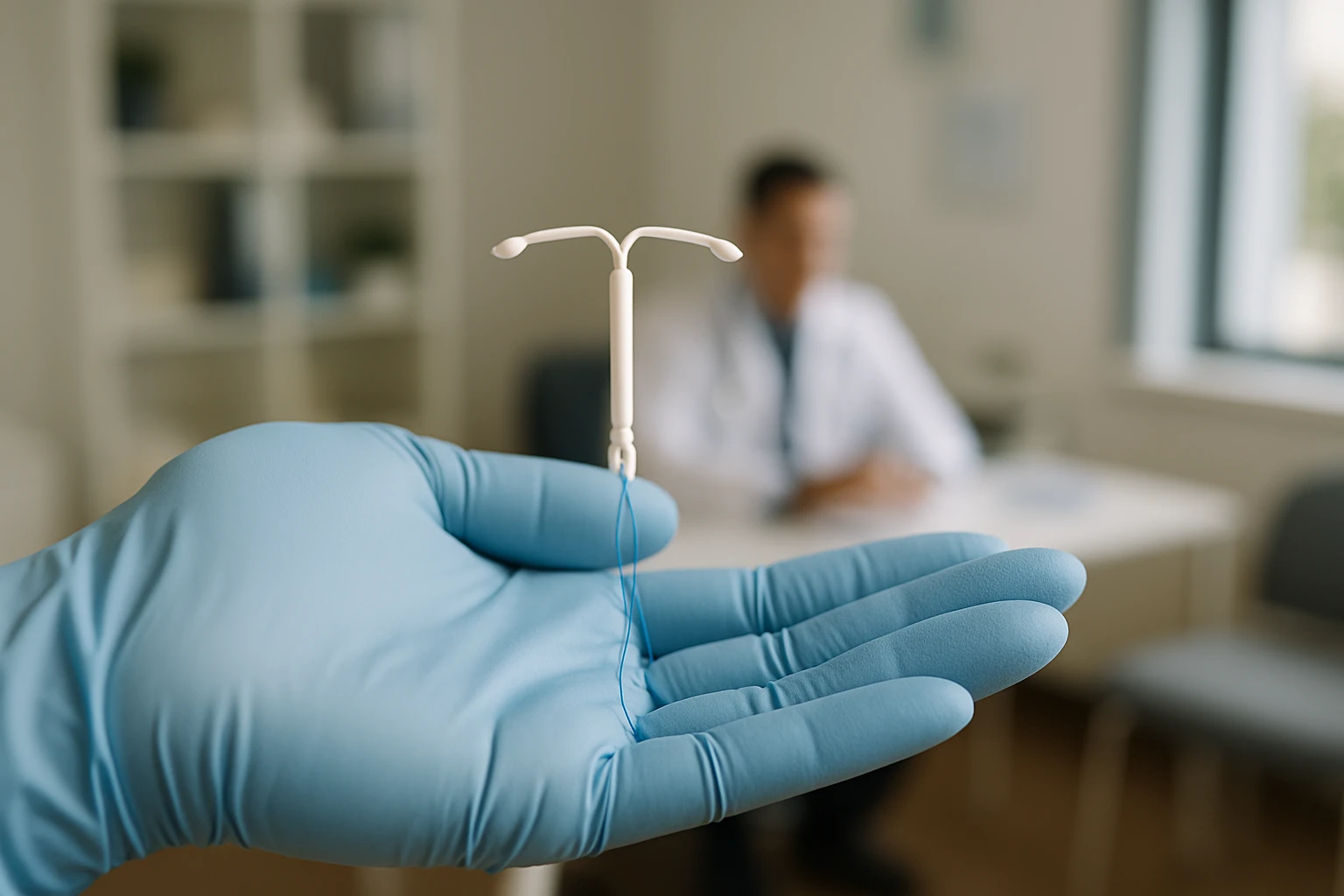
Factors Influencing the Best Time for IUD Insertion
Deciding on the best time for IUD insertion involves understanding several key factors that can affect the procedure’s success and patient comfort. One significant factor is the patient’s menstrual cycle. Ideally, an IUD insertion is often planned during the last days of the menstrual cycle, as this timing tends to ensure that the cervix remains slightly dilated, which can facilitate easier insertion and potentially decrease discomfort.
Another critical consideration is postpartum status. For patients who have recently given birth, healthcare providers may recommend waiting at least six weeks postpartum before inserting an IUD. This delay allows the uterus and cervix to revert to their pre-pregnancy size and reduces the risk of expulsion. According to The American College of Obstetricians and Gynecologists, waiting also gives the patient’s body time to recover from the delivery process.
In cases where patients opt for an IUD following an abortion, the insertion timing can differ. IUDs can be inserted immediately after an abortion in many situations, but this decision should always be guided by a healthcare professional’s assessment of the individual case. Integrating expert guidance is crucial to minimize risks and enhance comfort during the procedure.
IUD insertion is also influenced by personal and medical history. For instance, patients who have a history of uterine abnormalities or infections may require a customized approach. Consulting with a specialist is vital to determine the best time for IUD insertion in these scenarios. Many individuals find resources like Therapy Glen Burnie invaluable for accessing professional medical advice tailored to their unique needs.
The importance of personalized medical counsel cannot be overstated. Clinics such as MedHaven offer comprehensive evaluations to ensure that the timing and methodology of IUD insertion are optimal for each patient. By considering factors such as life circumstances, medical history, and potential risks, healthcare providers can recommend the most suitable timing, ultimately improving the overall success and satisfaction of the procedure.
Clinical Considerations and Best Practices
Healthcare providers often tailor the timing of IUD insertion to maximize comfort and minimize risk for each individual. While personal health circumstances consistently play a significant role, specific clinical insights underline the importance of timing. A growing body of research highlights the notion that inserting an IUD during certain phases of the menstrual cycle may enhance ease and reduce discomfort.
Timing Within the Menstrual Cycle
Ideally, many healthcare professionals advocate for IUD insertion during the end of a woman’s menstrual period. At this time, the cervix is naturally more dilated, which can facilitate smoother insertion and decrease procedural pain. This timing also ensures the patient is not pregnant, which is crucial for safety and efficacy. According to a 2021 study published in the British Journal of General Practice, women who had IUDs inserted during the late menstrual phase reported less insertion pain compared to those at other times in their cycle. Learn more.
Impact on Contraceptive Effectiveness
When considering contraceptive effectiveness, immediate postpartum or post-abortion periods are also deemed optimal. During these times, the likelihood of pregnancy is minimized without the need for additional contraceptive methods immediately following insertion. The World Health Organization (WHO) suggests immediate postpartum insertion offers significant advantages, particularly related to prompt contraceptive protection and fewer follow-up visits for the patient.
Real-World Application and Patient Experience
In practice, clinics such as MedHaven make use of patient-centered approaches that account for individual circumstances and preferences to decide the best time for IUD insertion. Patients who have personal preferences due to comfort or personal schedules are also encouraged to discuss these with their providers to identify the most suitable timing. Emphasizing personalized care ensures that the risk of complications is minimized and patient satisfaction remains high.
Healthcare professionals must balance medical guidelines with real-world application, taking into account the patient’s lifestyle, health history, and current life circumstances. Such comprehensive evaluations ensure that the recommendations on the timing of IUD insertion are tailored, promoting both effectiveness and comfort for the patient.
Embracing both scientific evidence and personal considerations aids in optimizing the timing for IUD insertion. This integral balance helps in ensuring not just immediate comfort and safety, but also long-term patient satisfaction and adherence to contraceptive use.

Conclusion
Understanding the best time for IUD insertion is crucial for optimizing both effectiveness and comfort. By aligning the procedure with certain phases of the menstrual cycle, individuals can minimize discomfort and enhance success rates. For instance, inserting the IUD during the latter part of the menstrual period can provide minimal discomfort, as the cervix may be slightly dilated. This approach also reassures effective immediate contraception if timing aligns with ovulation suppression.
Furthermore, it is essential to consult with a healthcare provider who can guide you through the specific considerations applicable to your health profile. Tailoring the timing to your cycle or medical needs can make a significant difference. For example, women who have given birth recently might benefit from different timing strategies compared to those who haven’t. Consulting with experts ensures personalized advice and addresses any concerns you may have.
Ultimately, prioritizing your wellbeing means staying well-informed. Research and expert opinions, such as those from the American College of Obstetricians and Gynecologists, emphasize the importance of fitting the procedure to each individual’s unique situation. For more information, these insights can be further explored in reputable medical publications. It is evident that the more proactive you are in understanding your body and options, the better your outcomes will likely be.
To seamlessly embark on this journey towards optimized reproductive health, consider leveraging online health resources. One such resource is MedHaven, which offers comprehensive support and information on women’s health. Utilizing a platform dedicated to health advocacy not only enriches your knowledge but ensures that you have access to reliable and expert guidance every step of the way.
In conclusion, the best time for IUD insertion can vary based on individual circumstances and medical history. By actively engaging with healthcare professionals and utilizing trustworthy health resources, you empower yourself with the tools needed to make informed decisions. Take action today by consulting experts and exploring resources like MedHaven, setting you on a path to effective and confident contraceptive management.
Article Generated by Soogle

CRNP, FNP-BC, MSN is a board-certified Family Nurse Practitioner with 16+ years of experience. She provides personalized, high-quality care in family medicine, preventive health, and chronic disease management at MedHaven Health in Glen Burnie, Maryland. Read More