Skip to content
Understanding the Importance of IUD Follow-Up Appointments
The decision to use an intrauterine device (IUD) for birth control is a pivotal choice for many individuals seeking effective and long-term contraceptive solutions. However, once the IUD is placed, the journey doesn’t end there. It’s crucial to comprehend why an “IUD follow-up appointment is necessary” as part of this journey. This follow-up not only ensures the IUD is optimally positioned but also helps in monitoring the patient’s health and addressing any concerns post-insertion.
Immediately after an IUD insertion, a follow-up appointment is often recommended. The primary purpose of this visit is to verify that the IUD remains in the correct position within the uterus. An incorrectly positioned IUD can reduce its effectiveness and may cause discomfort or complications. According to ACOG, about 2-10% of IUDs can expel during the first year. Thus, a timely check-up can catch such issues early on.
Moreover, these appointments serve as an opportunity for patients to discuss any side effects or discomfort they may experience. Common side effects like cramping or spotting often subside, but persistent or severe symptoms should not be ignored. For instance, individuals with excessive pain might require further evaluation to rule out rare complications, such as perforation or infection, which necessitates immediate medical attention.
The follow-up isn’t merely procedural; it also offers a platform for healthcare professionals to engage with the patient on broader aspects of their reproductive health. These interactions can include discussions on menstrual changes, sexual health, or even addressing broader health concerns related to contraceptive use. For those interested in exploring comprehensive health evaluations, considering resources like an Annual Physical near me might also be beneficial.
Adherence to follow-up appointments can significantly impact the efficacy of the IUD and overall health satisfaction. For many, understanding these sessions as routine and necessary parts of IUD care, rather than optional visits, encourages continued engagement with healthcare professionals. Ultimately, by prioritizing these appointments, users of IUDs can ensure safe and effective contraceptive use, empowering them to make informed decisions about their reproductive health.
The Importance of Follow-Up Appointments for IUD Users
Follow-up appointments are a crucial component of effective IUD management. After the initial insertion, healthcare providers recommend a review session to ensure the device is properly positioned and functioning as intended. This visit typically occurs within four to six weeks post-insertion. Key factors such as device displacement, infection, and user comfort are closely monitored. According to research, approximately 10% of IUDs can become dislodged within the first year, making these check-ups essential for prompt adjustments and guidance [source].
The necessity for an IUD follow-up appointment becomes clear when considering individual health dynamics and potential complications. Every patient is unique, and these consultations help tailor ongoing care to specific needs. For example, users experiencing heavy bleeding or severe cramps may require alternative contraceptive options or additional support. Moreover, healthcare providers can offer reassurances and address concerns that might arise during these evaluations, fostering greater user confidence and satisfaction.
Common Issues Identified During Follow-Ups
Routine follow-ups can unveil a range of issues that might otherwise remain undetected. For instance, some users could experience atypical discomfort or signs of infection, such as fever or unusual discharge. Early identification of these symptoms allows for timely treatment, minimizing potential health risks. Additionally, checking the IUD strings—the small threads dangling from the device within the vaginal canal—is another critical step performed during these visits. Understanding how to locate these strings empowers users to verify proper placement in-between professional evaluations.
| Issue | Percentage of Users Affected | Action Taken |
|---|---|---|
| Displacement | 10% | Reposition or remove |
| Infection | 1-2% | Prescribe antibiotics |
| Excessive Bleeding | 5-10% | Provide alternative solutions |
Engaging with these consultations not only addresses immediate physical concerns but also opens a dialogue about broader reproductive health strategies. Patients are encouraged to voice any personal health goals or changes in lifestyle that might influence their contraceptive needs. For comprehensive care and preventive measures, exploring resources like Preventive Care Glen Burnie can offer additional insights into maintaining optimal health outcomes alongside IUD management.
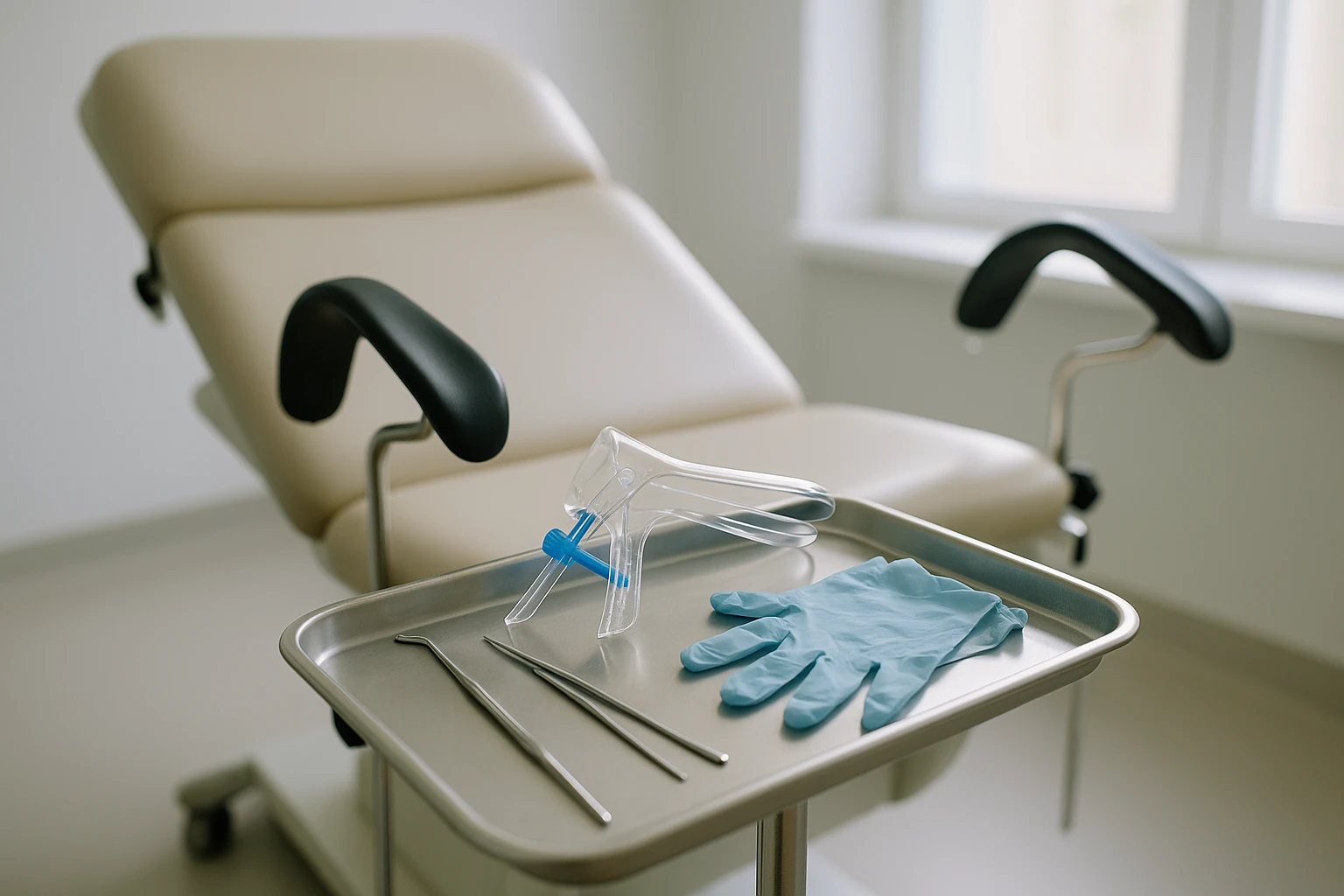
The Importance of IUD Follow-Up Appointments
Understanding why an IUD follow-up appointment is necessary can help alleviate concerns and ensure a smooth experience for those using this form of contraception. Follow-up appointments are a critical component of the IUD insertion process, offering an opportunity to confirm correct placement and address any side effects or complications.
Ensuring Proper Placement
A primary purpose of the follow-up appointment is to verify that the IUD is positioned correctly in the uterus. Incorrect placement can reduce effectiveness and increase the risk of complications such as perforation. According to a study published by The National Institutes of Health, up to 2-10% of IUDs are expelled, especially within the first year. In such cases, a healthcare professional can reposition the device to ensure optimal effectiveness and safety.
Addressing Potential Side Effects
Another key element of the follow-up visit is to discuss any side effects that may have arisen since insertion. Common issues include cramping, irregular bleeding, and discomfort. The University of California, San Francisco notes that many symptoms resolve on their own, but if they persist, adjustments may be needed. This appointment is an ideal time to share your experiences and receive tailored advice from your healthcare provider.
Continuous Support and Monitoring
Continuous support from healthcare providers, such as those at MedHaven, plays a vital role in promoting reproductive health. Ongoing care assures users that they have the support necessary to manage their contraceptives effectively. MedHaven offers resources and guidance that can make the process more seamless and reassuring. For specific concerns, resources like Therapy Glen Burnie can provide additional support and counseling services.
Conclusion
Attending an IUD follow-up appointment is necessary not only for confirming placement but also for gaining peace of mind and ensuring proper care moving forward. By engaging with trained healthcare providers at trusted clinics, you can navigate IUD usage confidently, knowing that expert advice is available to address any uncertainties or complications that may arise.
Ensuring Safe and Effective Use Through Follow‑Up
While routine follow-up appointments aren’t always required after insertion, they can play a crucial role in ensuring your IUD remains properly positioned and functions effectively. Monitoring for possible complications—even those that are rare—is a key part of post-insertion care.
When a Follow‑Up Appointment Matters Most
Recommendations from clinical bodies such as the Faculty of Sexual and Reproductive Healthcare and NICE advise that follow-up isn’t mandatory for most IUD users. However, if your IUD was inserted within 48 hours after a vaginal or cesarean delivery, a review appointment within 4–6 weeks is advised to confirm placement and address any postpartum changes or concerns. Plus, performing regular string checks during this period helps ensure the device remains correctly positioned iatroX guidelines, August 2025.
Detecting Rare but Serious Complications
Expulsion and uterine perforation are uncommon yet significant risks that a follow-up visit can help detect early. For instance, expulsion can occur in up to 10% of users within the first year, while perforation occurs in roughly 0.1–0.3% of insertions, varying by device type and patient factors Health.com, 2024, Journal of Surgical Case Reports, 2025.
Real‑World Insights
In a clinical review at the University of Kansas Medical Center, although over 91% of patient records documented a recommended 6-week check, only about two-thirds of women attended. Interestingly, the absence of this visit wasn’t significantly associated with higher rates of IUD removal within a year, though many removals did occur at that 6-week mark BMJ Sex Reprod Health, 2018. This suggests that while routine visits may not always change outcomes, they offer an opportunity to catch issues early.
Practical Application: When to Schedule a Visit
- If your IUD was inserted immediately postpartum, plan a follow-up in 4–6 weeks.
- In all other cases, self‑monitoring—such as checking for strings—can often suffice, unless you notice symptoms like heavy bleeding, unusual pain, or changes in menstruation.
- Always feel empowered to contact your provider if anything feels atypical, such as absent strings, worsening cramps, or signs of infection.
Ultimately, knowing whether an iud follow up appointment necessary depends on your individual situation and symptoms. For most users, routine follow-up may not be required—but when infections, expulsion risks, or postpartum timing are factors, a targeted appointment within the first few weeks serves as an invaluable safeguard against complications.
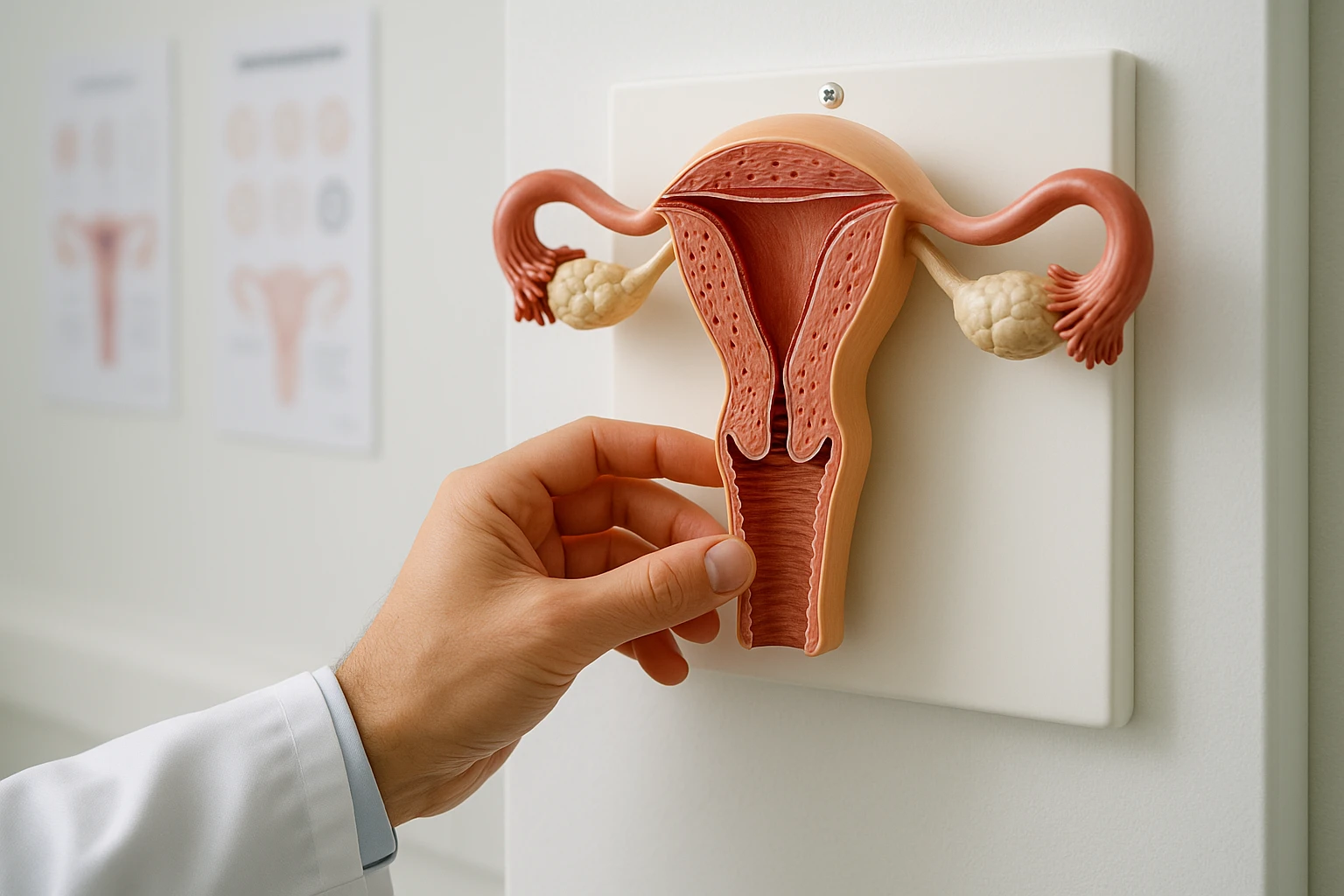
Conclusion and Final Takeaways
The journey of using an IUD as a form of contraception doesn’t end once it’s inserted. Proper follow-up appointments are necessary to ensure that everything is progressing well and to address any concerns or complications. These follow-ups are crucial as they help monitor for proper placement and can address any side effects the patient might experience.
Attending an IUD follow up appointment necessary not only reassures those using the device but also aids healthcare providers in delivering optimal care. During these appointments, physicians ensure the IUD is correctly positioned and functioning as intended. This step can significantly reduce anxiety about potential risks or complications, offering peace of mind for users.
There are real-world examples to illustrate the importance of follow-up appointments. According to the American College of Obstetricians and Gynecologists, follow-up visits can help catch any unforeseen issues early, fostering proactive care and preventing potential discomfort or health concerns. Such appointments are an integral part of a responsibly managed contraception plan.
If you’re contemplating or currently using an IUD, it’s essential to remain proactive about your health. Revisit your healthcare provider as advised to ensure the device is working well for you. This proactive approach can enhance your experience with IUDs and ensure their efficacy.
For those seeking consistent and reliable medical support, consider using MedHaven. They offer comprehensive healthcare services, ensuring that women receive the best possible care before, during, and after their IUD appointments. Staying informed and engaged with your healthcare improves outcomes and satisfaction with your chosen contraception method. Take control of your reproductive health and maximize the benefits of your IUD by prioritizing necessary follow-up appointments.
Article Generated by Soogle

CRNP, FNP-BC, MSN is a board-certified Family Nurse Practitioner with 16+ years of experience. She provides personalized, high-quality care in family medicine, preventive health, and chronic disease management at MedHaven Health in Glen Burnie, Maryland. Read More