Skip to content
Understanding the Importance of a Pap Smear
When considering the myriad of tests that contribute to women’s health, the Pap smear often stands out as a cornerstone in preventive care. Yet, amidst the busy hum of daily life, many women overlook this essential screening. With cervical cancer as a persistent concern, the World Health Organization supports regular Pap smears to reduce its incidence significantly. This painless procedure, typically conducted during a routine gynecological visit, can be a life-saving measure.
One compelling reason to prioritize a Pap smear is its role in early detection of cervical cancer—a process that can catch alterations in cervical cells before they evolve into cancerous lesions. According to the National Cancer Institute, consistent screenings have cut the cervical cancer mortality rate by more than 50% over the past few decades.
The Process: What to Expect During a Pap Smear
For those unfamiliar with the process, understanding what a Pap smear entails can alleviate fears and promote proactive health measures. Typically, a physician or a nurse will perform the procedure, gently collecting cells from your cervix using a soft brush. Though the test is brief, it holds the power to identify abnormalities that might require further investigation or intervention. Monthly health maintenance, including Pap smears, is crucial and is often integrated into broader preventive strategies such as those detailed in the Preventive Care Glen Burnie program.
Real-World Applications and Importance
In real-world applications, the value of Pap smears extends beyond mere medical statistics. Consider the testimony of numerous women who attribute their health and survival to early detection made possible by these screenings. Such stories underscore the tangible benefits of prioritizing this test, even amidst a hectic schedule. More so, healthcare providers frequently emphasize the need for individualized screening schedules tailored to personal risk factors, thus integrating a personalized approach within general guidelines. By staying informed and proactive, women can enhance their health outcomes significantly.
In conclusion, the Pap smear is more than just a medical procedure; it is a vital component of a comprehensive health strategy. By embracing this straightforward test, women can take an empowered stance in safeguarding their health and well-being. Regular screenings, coupled with informed healthcare choices, furnish women with the tools necessary to navigate their health journeys with confidence and assurance.
The Importance of Pap Smear in Cervical Cancer Prevention
The pap smear is an essential tool in the early detection and prevention of cervical cancer. By identifying abnormal cells in the cervix before they turn cancerous, healthcare professionals can intervene early, significantly reducing the risk of progression to cancer. According to the American Cancer Society, regular screenings have led to a major decline in cervical cancer incidence and mortality rates over the past decades. Women are encouraged to begin screening at age 21 and continue at recommended intervals, a guideline that underscores the test’s importance in a proactive health strategy.
How Pap Smear Works
The pap smear procedure is straightforward and typically performed during a routine gynecological exam. During the test, a healthcare provider gently scrapes cells from the surface of the cervix. These cells are then sent to a laboratory for analysis. The primary goal is to detect precancerous or cancerous cells. While the procedure is quick, taking only a few minutes, it is crucial for early intervention and effective management of potential health issues. The simplicity and effectiveness of the pap smear make it a cornerstone of women’s health care.
Understanding the Results
Results from a pap smear can be normal, unclear, or abnormal. A normal result indicates that no abnormal cells were detected, allowing the individual to continue with regular screenings as recommended. Unclear results may require additional testing to determine the presence of abnormal cells. An abnormal result can vary in significance, from minor changes that may resolve on their own to more serious changes requiring further examination. Abnormal results do not mean cancer but indicate the need for monitoring or intervention.
Comparison of Screening Frequencies
Timely and regular screenings make a substantial difference in health outcomes. Here’s a comparison table illustrating different screening guidelines for pap tests:
| Age Group | Screening Frequency | Additional Recommendations |
|---|---|---|
| 21–29 | Every 3 years | HPV testing only if pap results are abnormal |
| 30–65 | Every 3 years | Co-testing with HPV every 5 years is an option |
| 65 and older | May discontinue with prior regular screening and no history of severe abnormalities | Verify with healthcare provider for personal recommendations |
By adhering to these guidelines, women can take a proactive role in their health management. Discussing screening options and any necessary follow-up tests with a trusted healthcare provider ensures personalized and effective care. For more comprehensive information on managing health through screenings, visit Annual Physical Exam Checklist For Female.
The Importance of Regular Screenings
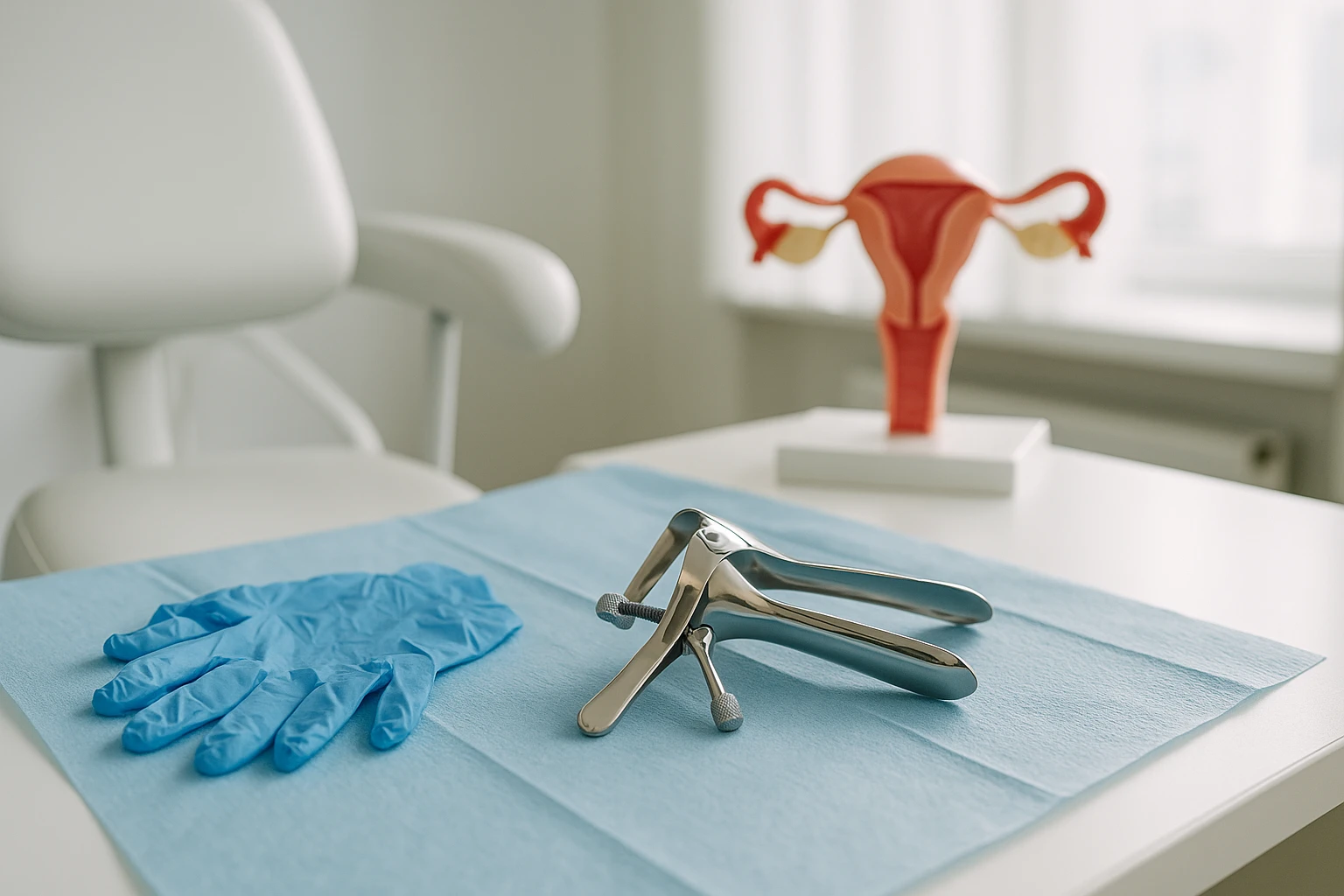
Regular cervical screenings, such as the pap smear, play a crucial role in detecting changes in cervical cells that may signal the early stages of cervical cancer. According to the American Cancer Society, widespread use of these screenings has significantly contributed to a decline in cervical cancer cases over the past few decades. In fact, early detection and intervention can lead to a near-complete cure rate, particularly when abnormalities are caught before progressing to cancer.
Pap smears are recommended for women starting at age 21 and continuing until age 65, with frequency depending on age and health history. Women between the ages of 21 and 29 should typically have a pap smear every three years. For women aged 30 to 65, the recommendation often involves a pap smear every three years or a combination of a pap smear and human papillomavirus (HPV) test every five years. This strategy not only helps in the timely detection of cancerous changes but also ensures that interventions can be implemented before the situation escalates.
Beyond schedules, it is essential to understand the health benefits regular screenings offer. As a flagship service, facilities like Choose Primary Care Doctor Glen Burnie allow patients access to personalized healthcare plans. These plans consider individual risk factors, history, and earlier medical interventions, effectively accommodating the unique needs of each patient.
Despite their vital role, studies show that barriers to obtaining regular pap smears still exist. According to a recent survey, reasons include lack of awareness, limited access to healthcare providers, and personal discomfort with the procedure. Addressing these challenges involves promoting education and utilizing modern healthcare platforms. Many professionals adopt solutions like MedHaven to streamline healthcare processes, making access to essential diagnostics more efficient and less intimidating for patients.
Ultimately, understanding the preventive power of a pap smear underscores its necessity. By promoting consistent screening and overcoming existing barriers, women can safeguard their health and contribute to the ongoing decline of cervical cancer incidences. Emphasizing the value and accessibility of these screenings, alongside emerging technologies, facilitates improved outcomes for women worldwide.
Ensuring Equitable Access and Improving Outcomes Through Innovation
Bridging the gap between guidelines and real-world uptake remains central to maximizing the impact of pap smear–related screening and prevention efforts. New federal guidance now recognizes self-collection of high-risk HPV samples as a valid option—a shift poised to improve screening access and equity. For average-risk individuals ages 30–65, self-collected HPV tests are now the preferred method, with traditional cytology still acceptable. Starting January 1, 2027, insurance plans must cover not only these screenings but also any necessary follow-up care without additional cost to patients HRSA January 2026 guidelines.
This transformation aligns with the American Cancer Society’s updated recommendations, which now include self-collected vaginal specimens for HPV testing and provide clear guidance on when screening can safely cease. Such inclusive language and expanded testing options aim to boost compliance and support timely diagnosis. These guideline updates build on decades of success in reducing cervical cancer incidence by more than half, largely attributed to effective screening programs ACS December 2025 report.
Complementing these policy developments, community-based programs are making tangible differences. Federally Qualified Health Centers (FQHCs), for example, serve populations disproportionately affected by screening disparities. One recent study found that aligning FQHC screening rates with national targets could dramatically enhance overall screening coverage and reduce disparities among underserved communities JAMA Network Open, Oct 2025. Such real-world applications demonstrate the meaningful impact of combining policy reform with grassroots initiatives.
Educational interventions also contribute significantly by enhancing health literacy about cervical cancer and pap smear-based detection. In controlled studies, knowledge of pap smear testing as a tool for identifying cervical cancer rose from as low as 10% to nearly 100% following interventions using pamphlets or audio-visual aids JEHP interventional study, 2025. These findings reveal how targeted education can empower individuals to seek preventive care proactively.
Together, advancements in policy, technology, clinical access, and education are forging a more inclusive and effective landscape for cervical cancer prevention. Real-world rollouts of self-collection tools, strengthened insurance coverage, and community outreach are not only enhancing screening rates but paving the path toward equitable, life-saving care.
Conclusion
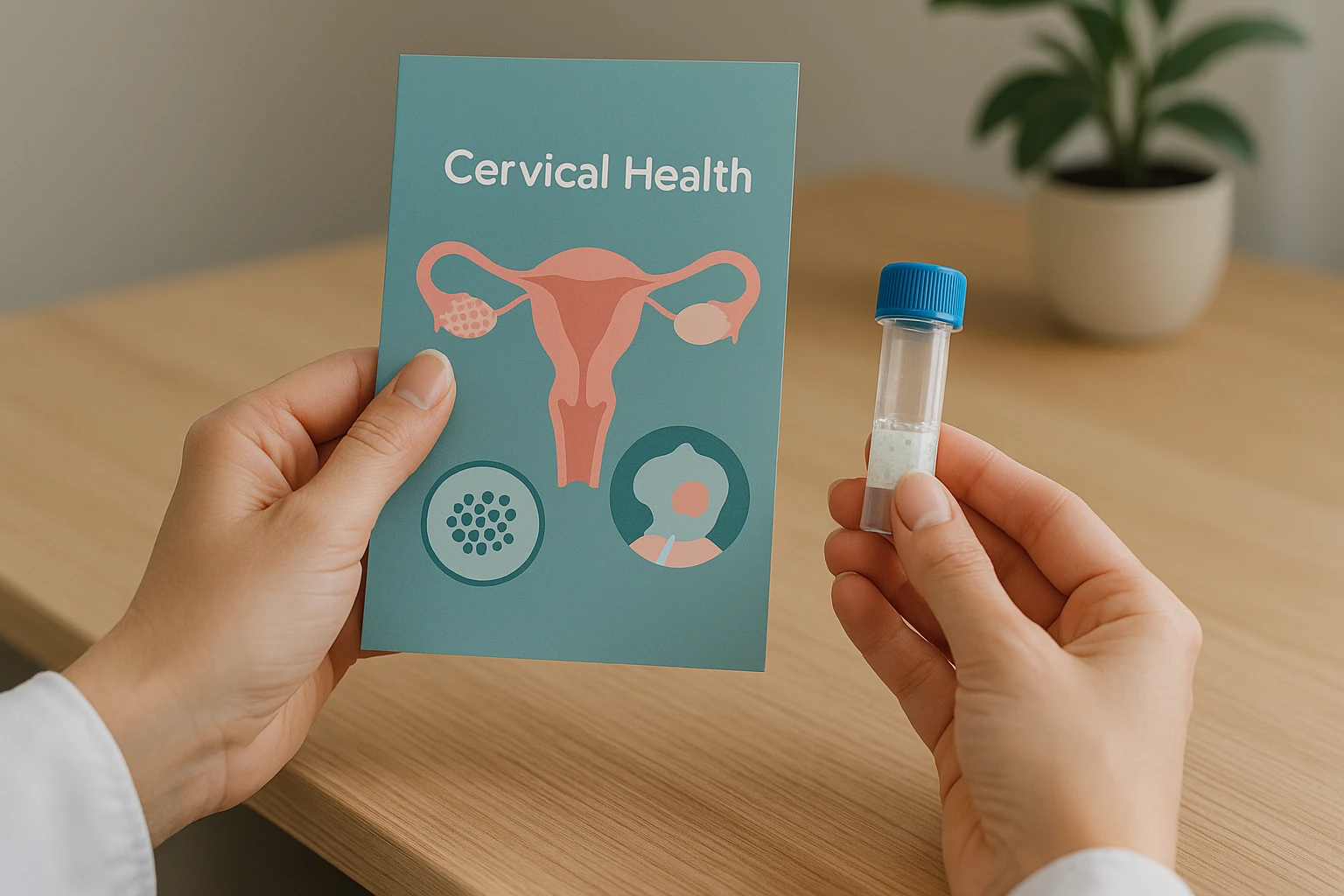
Understanding the importance of regular pap smears is crucial for maintaining cervical health. This preventive screening can detect early changes in cervical cells, allowing for timely intervention. As with any medical procedure, awareness and education are key to overcoming barriers such as fear or misinformation. The more informed you are, the better equipped you’ll be to make decisions about your health.
Takeaway Tips
It’s essential to incorporate pap smears as part of your routine health check-up. Women should typically begin screening at the age of 21 and continue as advised by their healthcare provider. Regular screenings can significantly reduce the risk of developing cervical cancer by identifying potentially harmful changes early on.
Actionable Insights
For actionable steps, start by scheduling an appointment with your healthcare professional. Discuss your individual risks and determine the appropriate frequency for screening. Remember, each person’s medical needs are unique, and personalizing your healthcare plan ensures the best outcomes.
Additionally, maintaining open communication with your doctor can alleviate concerns. Don’t hesitate to ask questions about the procedure, possible follow-ups, or any aspect of your reproductive health. Engaging with communities or forums can also provide support and shared experiences.
Next Steps with MedHaven
For a comprehensive approach to your health needs, consider partnering with trusted healthcare platforms. MedHaven offers extensive resources and expert guidance to assist you every step of the way. Their commitment to patient care ensures you have the support required to maintain optimal health.
Taking control of your health begins with awareness and action. Embrace the benefits of regular screenings and empower yourself by making informed health choices. It’s a proactive step towards a healthier future.
Article Generated by Soogle

CRNP, FNP-BC, MSN is a board-certified Family Nurse Practitioner with 16+ years of experience. She provides personalized, high-quality care in family medicine, preventive health, and chronic disease management at MedHaven Health in Glen Burnie, Maryland. Read More