Skip to content
Introduction: The Shift in Healthcare Dynamics
In an era where digital platforms are redefining industry standards, healthcare is no exception. As technology advances, platforms like Zocdoc are becoming pivotal in how patients interact with healthcare providers. However, this rise in digital mediators has sparked a debate on whether such platforms encourage a “transactional” approach to care rather than fostering long-term patient-provider relationships.
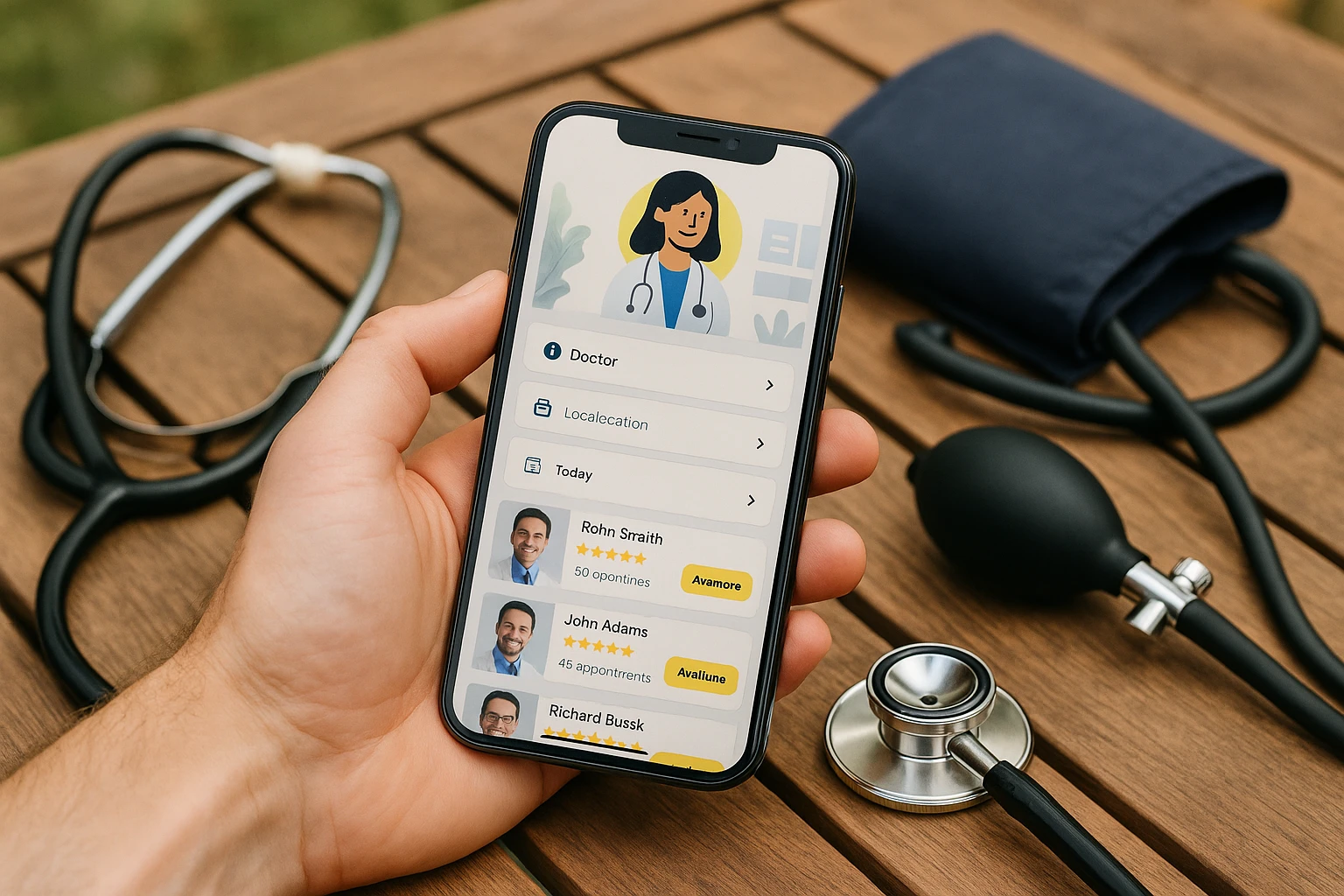
Consider the convenience Zocdoc offers: patients can quickly find, book, and review medical appointments with a few taps on their smartphones. This ease of access, while advantageous, may inadvertently promote a short-term interaction model over sustained, consistent healthcare connections. Patients drawn by immediate needs, like same-day appointments or quick specialist access, might prioritize these short-term fixes at the expense of long-term health outcomes.
Recent studies indicate that the advent of digital platforms is reshaping patient expectations and behaviors. According to a report from the National Library of Medicine, there is a decline in continuity of care when patients use third-party apps, disrupting the traditional doctor-patient relationship dynamics. Patients are increasingly perceived as customers purchasing a service, fundamentally altering how healthcare providers engage and personalize care for individuals over time.
This shift prompts healthcare professionals to reconsider their strategies. Rather than relying solely on convenient digital solutions, healthcare providers might need to emphasize comprehensive, long-term care plans that encourage ongoing patient engagement and trust. For example, practices offering personalized follow-up calls or tailored wellness plans may effectively counterbalance the transactional tendencies encouraged by digital healthcare platforms.
For more on how these changes impact preventive care models, explore Preventive Care Glen Burnie, which details strategies for maintaining lasting health relationships.
The Impact of Digital Platforms on Care Continuity
The shift towards digital-first healthcare solutions, such as Zocdoc, has profoundly influenced patient-doctor relationships. The emergence of transactional care, where interactions are often one-time and episodic, is shaping the current landscape. Unlike traditional settings that valued long-term connections, digital platforms often prioritize quick access and convenience over relationship-building.
This evolving model is particularly appealing for patients seeking flexibility and immediate solutions. For example, users can browse multiple providers, compare reviews, and book appointments instantly, creating a marketplace dynamic. However, this transactional nature can lead to fragmented care experiences. Patients may visit different healthcare providers for each new episode of care, which can result in a lack of personalized attention and continuity in care management.
Data and Trends Supporting the Shift
According to a recent study, approximately 60% of patients utilizing digital platforms prioritize convenience over established relationships with healthcare providers. This trend is driven by younger demographics who value technological accessibility. However, while convenience is a significant factor, it is crucial to consider how this trend might affect preventative care and chronic condition management [source].
Comparison of Digital Versus Traditional Care Models
| Aspect | Digital Care (e.g., Zocdoc) | Traditional Care |
|---|---|---|
| Access | Immediate, 24/7 availability | Limited to office hours |
| Care Continuity | Fragmented, episodic interactions | Long-term, continuous |
| Patient-Provider Relationship | Minimal long-term engagement | Strong personal connections |
| Flexibility | High; choice of providers and appointment types | Moderate; limited to provider’s offerings |
The digital model’s emphasis on convenience does not inherently foster the development of enduring healthcare partnerships, which could ultimately impact the quality of care. Moreover, the absence of continuity can impede comprehensive care plans necessary for chronic disease management.
For those seeking a more stable healthcare connection, it is critical to choose primary care options that emphasize long-term relationships. Resources like Choose Primary Care Doctor Glen Burnie highlight the significance of finding a consistent healthcare partner.
The Impact of Zocdoc on Doctor-Patient Relationships
The rise of digital platforms like Zocdoc has undeniably transformed the healthcare landscape. While offering unparalleled convenience, these platforms also shift the nature of doctor-patient interactions towards a more transactional model. Patients often prioritize immediate access to healthcare providers over long-term relationship building. This shift can dilute the traditional continuity of care, where familiarity and sustained engagement strengthen the healthcare experience.
Challenges of Transactional Care
Transactional care can lead to fragmented healthcare experiences. Patients typically book appointments based on convenience, occasionally sacrificing the consistency of seeing the same provider. While addressing immediate health concerns is crucial, continuity of care fosters a deeper understanding of a patient’s medical history and builds trust over time. According to a study published in the BMJ Open, ongoing relationships between patients and providers can significantly enhance healthcare outcomes.
This fragmentation may also impact the effectiveness of preventative care strategies. Regular check-ups with a consistent provider can identify subtle changes in health that may warrant further investigation. To bridge this gap, some healthcare providers encourage platforms that support both transactional and ongoing care. For example, Therapy Glen Burnie facilitates personalized healthcare solutions to ensure continuity alongside accessibility.
Balancing Convenience and Relationship Building
Finding the right balance between ease of access and maintaining long-term healthcare relationships is critical. While platforms like Zocdoc excel at meeting immediate healthcare needs, they can also integrate features that support sustained interactions. For instance, offering options for follow-up appointments or maintaining electronic health records can help bridge the transactional gap.
Healthcare providers can further enhance patient experience by blending these digital tools with personalized care approaches. Utilizing platforms like MedHaven, doctors can streamline their workflow and improve patient interactions, ensuring both immediate access and long-term care commitment. Fostering this blend will empower patients to enjoy the benefits of digital convenience while ensuring their healthcare needs are continually met.
In conclusion, while Zocdoc’s model caters to the demand for convenience, the healthcare industry must strive to integrate systems that maintain long-term relationships. This approach not only enhances individual patient outcomes but also contributes to a more robust and dynamic healthcare system.
Transactional Incentives Over Relationship Building
Moving into how Zocdoc shifts the focus toward transactional interactions, it’s essential to understand the economics of single encounters. Zocdoc earns revenue primarily when a patient books an initial appointment—there’s little incentive for follow-up visits. As one physician bluntly described, many patients behave like “one-night stands,” showing up once and rarely returning—fueling the platform’s profit while limiting deeper patient-provider bonds InvestingDoc analysis.
Practice owners confirm this transactional dynamic. According to multiple providers on Reddit, the platform charges for every booking, even if appointments are canceled or patients don’t show—dramatically reducing the potential to convert casual visitors into long-term patients r/therapists discussion. This pay-per-booking model fosters a short-term mindset, where repeated engagement with the same provider is not encouraged by design.
On the technical side, Zocdoc’s search algorithms and user interface prioritize immediate availability and visibility, not continuity of care. Providers are rewarded with a Patient Choice badge based on a narrow set of metrics—such as high ratings, low cancellation rates, and calendar integration—which may increase bookings by roughly 8%—yet don’t inherently promote rapport or follow-ups Zocdoc Patient Choice program. This reinforces a volume-driven model that favors one-off engagements over building ongoing patient trust and familiarity.
Some providers try to counter this effect strategically, using Zocdoc to gain SEO visibility and patient reviews, then pausing new bookings to preserve bandwidth for long-term relationship building InvestingDoc. While this workaround reflects proactive effort, it underscores how the platform’s transactional design can undermine sustainable patient engagement, unless providers intentionally disrupt the default pattern.
Overall, the business model behind “How zocdoc Encourages “Transactional” Care Instead of Long-Term Relationships” lies in its per-appointment revenue structure, incentivizing volume rather than continuity. Though the platform offers advantages like visibility and appointment ease, providers must navigate its transactional nature carefully to maintain the integrity of long-term patient care.

Conclusion and Future Outlook
In assessing the evolution of patient-provider relationships, the shift from long-term commitments to more transactional interactions is becoming clearer. Platforms like Zocdoc have streamlined access to healthcare by offering convenience and choice, but this comes at the cost of deeper, lasting patient-doctor relationships. The ability to quickly book appointments with various providers might initially meet immediate needs; however, it detracts from the personalized care that often comes with consistency and familiarity.
Key Takeaways for Patients and Providers
Both patients and healthcare providers can glean valuable insights from this shift. For patients, it’s crucial to evaluate the balance between convenience and quality of care. While the ease of booking through Zocdoc addresses immediate concerns, cultivating a relationship with a trusted healthcare provider can lead to more tailored and effective care over the long term. This implies that patients should still strive to seek out consistent care when possible, even if initial appointments are made through transactional platforms.
Actionable Insights for Healthcare Practitioners
For healthcare providers, the emergence of transactional care offers both a challenge and an opportunity. Practices should consider integrating convenient scheduling technologies while also fostering environments where patients feel welcomed and valued beyond a solitary visit. Developing follow-up communication strategies and enhancing in-office experiences can encourage return visits and nurture ongoing patient relationships.
A Strong Call to Action
To mitigate the risks associated with transactional care models, consider exploring additional resources that support comprehensive healthcare strategies. Platforms like MedHaven provide holistic solutions that emphasize continuity and patient engagement, bridging the gap between convenience and consistent care. By integrating these resources, both patients and providers can enhance the quality of healthcare experiences and foster lasting, meaningful relationships.
In conclusion, while platforms that encourage transactional care have undeniable benefits, the value of long-term patient-doctor relationships should not be underestimated. By seeking balance, being informed, and exploring alternative strategies, the healthcare sector can navigate this duality effectively, ensuring that the integrity and effectiveness of patient care remain uncompromised.
Article Generated by Soogle

CRNP, FNP-BC, MSN is a board-certified Family Nurse Practitioner with 16+ years of experience. She provides personalized, high-quality care in family medicine, preventive health, and chronic disease management at MedHaven Health in Glen Burnie, Maryland. Read More