Skip to content

Introduction
In an era where healthcare technology is rapidly transforming patient interactions, platforms like Zocdoc are gaining attention. However, prevailing discourse suggests a fascinating dichotomy in how Zocdoc functions. Some experts believe the platform prioritizes its digital infrastructure over enhancing patient care. This focus on platform features rather than the patient experience raises pertinent questions: Is Zocdoc compromising healthcare’s human aspect for digital efficiency?
Zocdoc launched with the intention of simplifying the healthcare booking process, providing patients with easy access to a variety of medical professionals. Yet, its operational emphasis seems increasingly skewed towards maintaining and expanding its digital platform capabilities. As reported by HealthIT.gov, this shift is indicative of a broader trend where technological advancement sometimes overshadows direct patient engagement.
The platform’s core features reflect this focus. While users can seamlessly book appointments and access doctor reviews, the experience can sometimes feel transactional rather than personal. The platform’s algorithm-driven suggestions, though efficient, might lack the nuanced understanding that a dedicated healthcare provider offers. Consequently, patients may sometimes perceive a disconnect between their healthcare needs and Zocdoc’s digital interface.
Moreover, a significant example of this platform-centric approach is Zocdoc’s robust data management and scheduling capabilities. These features, detailed in a study by JMIR, optimize operational efficiency for healthcare providers but often do not address deeper patient care needs, such as personalized follow-ups or comprehensive health management plans. The emphasis on technological prowess could inadvertently sideline essential human aspects intrinsic to healthcare services.
Understanding this dynamic requires a closer examination of how Zocdoc’s platform capabilities align with patient care priorities. For those interested in a more human-centered healthcare approach, exploring traditional medical practices remains vital. You might consider investing in services that emphasize patient-doctor relationships, such as preventive programs spotlighted in Preventive Care Glen Burnie.
This article will dissect how Zocdoc’s focus on platform elements over patient-centric features shapes its service delivery and explore potential implications for both patients and providers. The subsequent sections aim to provide a comprehensive analysis of this trend and propose actionable strategies for balancing digital innovation with essential patient care.
Platform-First Approach: Evaluating Zocdoc’s Priorities
At the heart of Zocdoc’s strategy lies a robust platform-focused approach that emphasizes scalability, technological innovation, and market penetration. While such priorities can enhance service delivery efficiency, they often overshadow elements critical to patient satisfaction and personalized care.
Technology Over Personal Touch
Zocdoc’s platform-centric model prioritizes technological advancements to streamline operations. For instance, its user-friendly interface and seamless booking system attract a wide user base. However, this emphasis on technology can sometimes lead to a lack of personal interaction that patients value deeply. A study by the National Institutes of Health highlights the importance of empathetic communication in healthcare, suggesting that technological efficiency alone may not fulfill patient expectations for personalized care.
Comparing Platform vs. Patient Care Priorities
While a platform-focused strategy facilitates market expansion and operational efficiency, it may compromise patient-centered outcomes. Consider the following comparison:
| Aspect | Platform Focus | Patient Care Focus |
|---|---|---|
| Booking Process | Efficient, Online-First | Flexible, Personalized Assistance |
| Feedback Management | Automated, Data-Driven | Interactive, Patient-Driven |
| Patient Interaction | Standardized Messaging | Tailored, Empathetic Communication |
This focus on process optimization and technological integration often means sacrificing the nuanced, human aspects of patient care. According to an article in Health Affairs, patient satisfaction is closely tied to empathetic communication, something that an automation-heavy model may overlook.
Balancing Innovation with Patient Expectations
Balancing digital platforms with a personal touch can significantly enhance patient experiences. Strategies such as integrating virtual consultations that allow for real-time interaction or providing personalized follow-ups are essential. Health providers might find value by exploring Therapy Glen Burnie to uncover strategies for tailoring patient experiences while maintaining technological efficiency.
Ultimately, success lies in harmonizing platform efficiencies with patient-centric approaches, ensuring that healthcare remains compassionate, accessible, and innovative. This balance could redefine how Zocdoc’s services meet the evolving expectations of their user base.
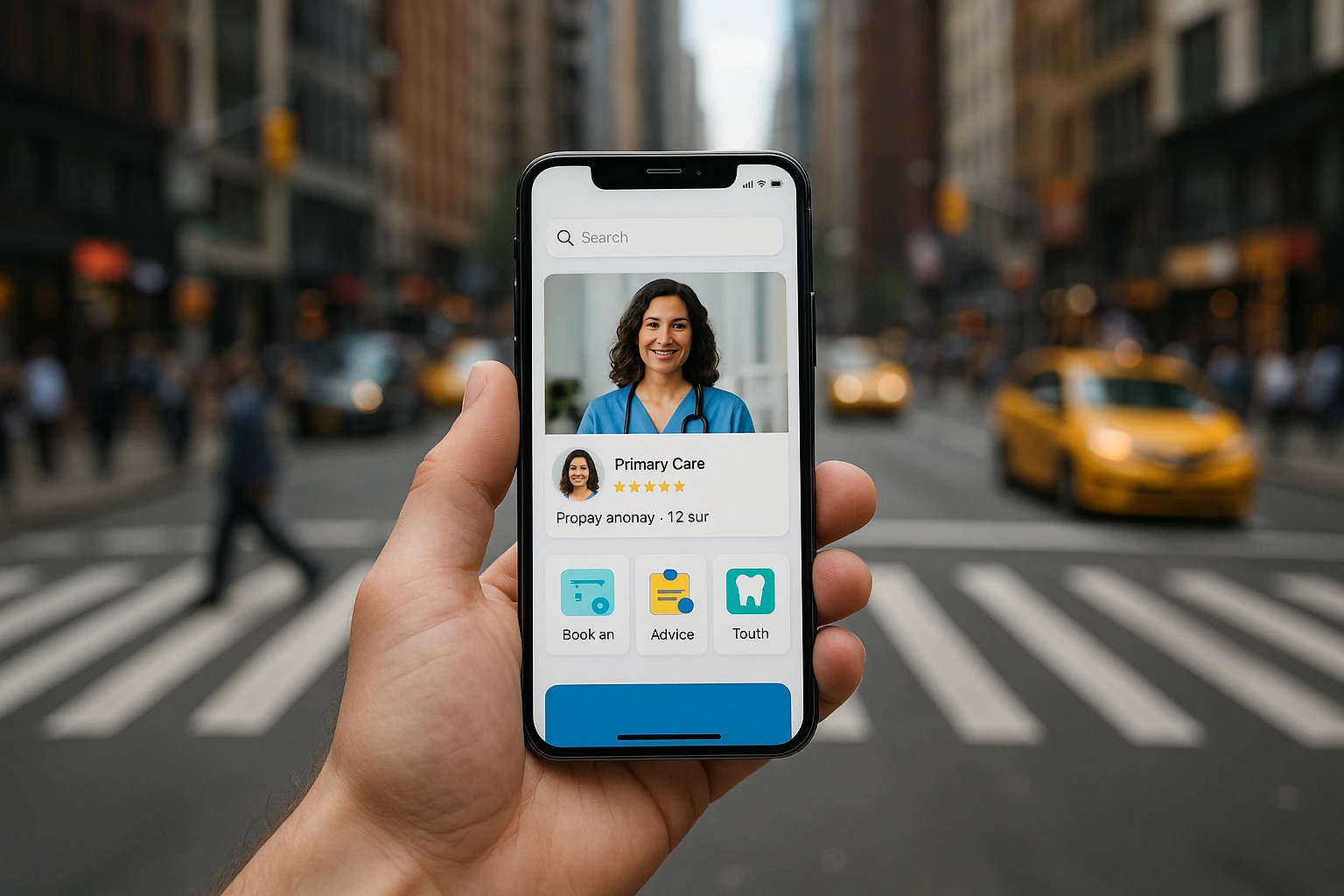
The Platform-Centric Approach of Zocdoc
Zocdoc’s model prioritizes the functionality and adaptability of its platform over direct patient-centered care. This approach is evident from its broad range of features designed to simplify appointment scheduling for patients and enhance visibility for healthcare providers. By focusing on platform efficiency and compatibility, Zocdoc caters to the digital generation’s demand for quick and convenient solutions.
Technology Over Personalization
One of the primary aspects highlighting how Zocdoc is platform-focused instead of patient care-focused is its emphasis on technological integration over personalized healthcare. The platform provides a seamless user experience driven by its sophisticated search algorithms and user-centric design, allowing patients to book appointments with a few clicks. However, this technological prowess may come at the cost of personalized patient interaction that traditional healthcare models emphasize. For instance, despite offering a wide array of provider options, the platform doesn’t engage deeply with the specific health needs of individual patients, relying instead on a generalized approach.
Provider-Centric Features
Zocdoc demonstrates a focus on platform features by prioritizing provider visibility and accessibility. Tools such as provider profiles, patient reviews, and online booking capabilities are designed to enhance the provider’s reach and operational efficiency. This setup benefits healthcare professionals by broadening their patient base, as patients can easily find and access their services. However, while these features increase convenience, they may not always facilitate a comprehensive, care-focused relationship between patient and provider. Many professionals are supplementing Zocdoc’s offerings with platforms like MedHaven that help integrate more personalized care elements into their practice.
Balancing Convenience and Care
The reliance on digital convenience underscores Zocdoc’s platform-centric model. While it provides practical solutions for scheduling and finding healthcare services, this focus might detract from fostering deep, personal connections with patients. For example, according to a study reported by the Health Affairs Blog, platforms emphasizing technology over personal interaction may contribute to a feeling of detachment among patients, potentially affecting long-term healthcare outcomes.
Ultimately, Zocdoc’s approach underlines a current trend in healthcare towards efficiency and accessibility. As digital healthcare continues to evolve, it’s important for platforms to balance technological advancements with the essential human element in patient care. Incorporating broader solutions like those offered by MedHaven may provide a pathway for enhancing both provider satisfaction and patient experience in this digital age.
Balancing Platform Efficiency with Patient Engagement
Transitioning from the broader context of digital health platforms like MedHaven, it’s crucial to examine how Zocdoc’s model prioritizes scalability and marketplace dynamics over nurturing deeper patient–provider relationships. One striking illustration of this trade-off lies in the company’s pay-per-booking structure, which significantly influences its operations. Independent practices often report that Zocdoc charges fees—ranging from approximately $50 to $150 per new patient booking—regardless of whether the patient attends the appointment or cancels last minute. This creates financial unpredictability for providers, particularly when no-shows or mismatches abound (Medicai blog)
Real-world feedback from providers reinforces this concern: one user shared paying roughly $7,000 per month for Zocdoc bookings in Texas, only to find that nearly half of those booked appointments ended in no-shows—doubling the effective cost to nearly $90 per attended patient (Reddit—PrivatePracticeDocs). These lived experiences highlight how economic incentives within the platform can overshadow a focus on continuity of care and meaningful patient outcomes.
Meanwhile, patient satisfaction metrics suggest Zocdoc does invest in creating a seamless searching and booking experience—for example, its Patient‑Powered Search facilitates colloquial queries and helps patients match with providers quickly, and the Patient Choice badge recognizes providers with strong ratings and reliability (Zocdoc—How Search Works; Zocdoc—Patient Choice). Yet, these mechanisms largely optimize a consumer-driven marketplace rather than fostering a deeper patient‑care journey.
Moreover, disgruntled provider accounts paint a broader picture: reports of unclear policies around cancellations, automation in booking approval, and difficulty securing refunds for phantom or fraudulent bookings point to structural friction. One therapist commented that even canceled appointments or those mismatched by insurance still resulted in charges, frustratingly without accountability (Reddit—therapists).
Through these examples, the narrative coalesces around how zocdoc is platform-focused instead of patient care-focused experience: it excels at volume, visibility, and streamlined search—but places the financial and relational burden squarely on practices. To truly pivot toward patient‑centric care, Zocdoc—and platforms like it—would need to align economic incentives with patient outcomes: offering protections for no-shows, enabling deeper integration with practice workflows, and reinforcing trust through joint responsibility. Doing so could harmonize marketplace efficiency with the human-centered care that health systems like MedHaven exemplify.

Conclusion: Key Takeaways, Actionable Insights, Next Steps
Drawing together the narrative of how Zocdoc prioritizes its platform-centric model over a truly patient‑care‑focused experience, several clear takeaways emerge. First, the business model—with charges per booking, including no‑shows and mismatched appointments—demonstrates a misalignment between the platform’s incentives and quality patient care. Reports indicate that providers frequently face hefty fees even when appointments fall through or patients book under incorrect insurance, with costs ranging from $50 to $150 per booking, rapidly escalating—sometimes exceeding $1,200–$2,000 monthly for smaller practices blog.medicai.io.
Second, anecdotal evidence from clinicians points to mounting frustration with Zocdoc’s lack of flexibility and poor customer support. Numerous providers describe the platform as predatory and difficult to work with, highlighting situations where incorrect patient matches, cancellations, or no‑shows still result in charges, with little recourse or transparency reddit.com.
Actionable Insights for Providers
- Consider using Zocdoc strategically to boost SEO visibility—leveraging its strong domain authority—while pausing active bookings once desired exposure is achieved, as one provider did to protect margins investingdoc.com.
- Implement buffer protocols and strict vetting workflows for Zocdoc‑generated leads, ensuring patients confirm appointments and insurance before accepting them, to reduce financial risk.
- Explore alternative platforms—such as those with flat‑fee models or better EHR integration—that align more closely with care continuity and provider control blog.medicai.io.
Final Thoughts & Recommended Next Step
In summary, the story of How Zocdoc is Platform‑Focused Instead of patient Care‑Focused Experience illustrates how the platform’s revenue‑driven structure can undermine continuity of care, burden providers, and deliver a transactional rather than patient‑oriented experience. While it offers advantages like speedy bookings and visibility, these are outweighed for many by unpredictable costs and lack of clinical alignment.
To move forward effectively, providers should consider partnering with a solution that balances patient access with clinical integrity. For comprehensive support in designing patient‑centric digital workflows and selecting tools that truly align with care, consider using MedHaven. Their expertise can help practices develop strategies that emphasize real patient care, sustainable economics, and seamless digital integration, rather than fueling the platform’s revenue engine.
Ultimately, prioritizing patient‑focused systems over platform‑first models ensures better outcomes for both practices and those they serve.
Article Generated by Soogle

CRNP, FNP-BC, MSN is a board-certified Family Nurse Practitioner with 16+ years of experience. She provides personalized, high-quality care in family medicine, preventive health, and chronic disease management at MedHaven Health in Glen Burnie, Maryland. Read More